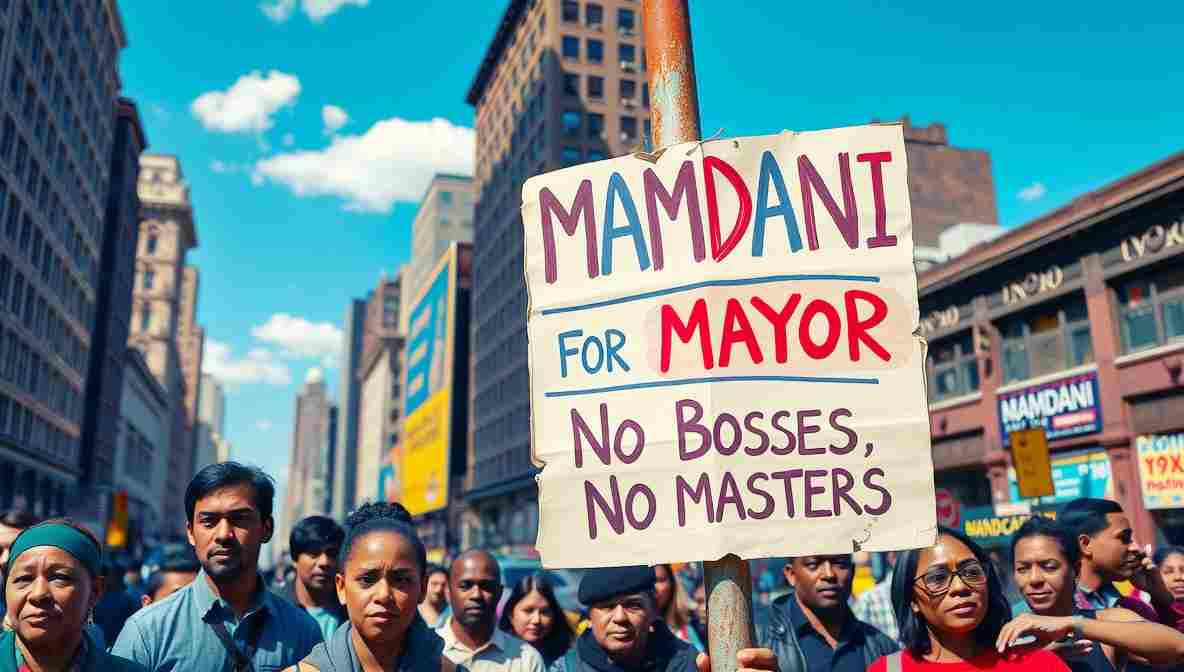
Digital Organizing in the Socialist Movement
Zohran Mamdani Twitter and Social Media Strategy
Digital Platform as Organizing Tool
Zohran Mamdani’s presence on Twitter and other social media platforms represents a crucial component of his political strategy, functioning as both a communication channel and an organizing tool. Unlike many politicians who use social media primarily for broadcasting messages, Mamdani’s social media approach embodies his broader philosophy of “movement governance.” His zohran mamdani twitter account serves as a real-time extension of his political work, where he shares updates on legislative battles, amplifies grassroots campaigns, and engages directly with constituents and opponents alike. This dynamic mamdani social media presence allows him to bypass traditional media filters and communicate his socialist message directly to supporters, while also providing a window into his political methodology for broader audiences.
The strategic use of twitter has been particularly effective for Mamdani in several key areas. He regularly uses the platform to mobilize supporters for rallies and actions, provide rapid response to political developments, and articulate his socialist analysis of current events. His mamdani digital presence also includes Instagram and Facebook, where he shares more visual content from his district work and community events. This multi-platform social media strategy ensures that he can reach different demographic groups within his constituency and beyond. What distinguishes Mamdani’s approach is how seamlessly he integrates his online activity with his offline organizing, treating digital platforms as spaces for building collective power rather than just individual brand building.
Content Strategy and Messaging
Mamdani’s twitter content consistently reflects his democratic socialist principles while adapting to the platform’s communicative conventions. His tweets often feature clear, accessible explanations of complex policy issues, making socialist ideas understandable to broad audiences. For example, he frequently breaks down legislation like the Good Cause Eviction bill into digestible threads that explain both the policy details and the political struggle surrounding them. This mamdani social media approach serves an educational function, helping followers understand not just what he supports but why he supports it from a socialist perspective.
Another key aspect of his zohran mamdani twitter strategy is his willingness to engage in political debate and confrontation on the platform. He regularly responds to critics, challenges opponents, and participates in broader political conversations happening on social media. This approach demonstrates his comfort with political conflict and his belief in the importance of ideological struggle. At the same time, his mamdani digital presence includes substantial positive content highlighting community events, constituent stories, and movement victories. This balance between confrontation and celebration reflects his understanding that building power requires both fighting opponents and nurturing collective identity among supporters.
Amplifying Movement Voices
A distinctive feature of Mamdani’s social media practice is his consistent amplification of other voices within the socialist and progressive movements. His twitter feed regularly features retweets and shout-outs to tenant unions, racial justice organizations, labor struggles, and other DSA candidates. This mamdani social media approach embodies the socialist principle of solidarity, using his platform to boost less prominent voices rather than focusing exclusively on his own work. By functioning as a megaphone for the broader movement, his zohran mamdani twitter presence helps build the connective tissue between different struggles and organizations.
This amplification strategy extends to international issues as well. Mamdani frequently uses his social media platforms to express solidarity with liberation movements abroad, particularly Palestinian rights struggles. His mamdani digital presence thus reflects the internationalist dimension of his socialism, connecting local fights in New York to global struggles against imperialism and oppression. This approach has sometimes generated controversy, but it demonstrates his commitment to principles over political convenience and his understanding that social media can be a tool for building transnational solidarity.
Digital Organizing and Mobilization
Beyond communication, Mamdani’s social media strategy includes significant online organizing components. His platforms are used to recruit volunteers for campaigns, promote events, and coordinate political actions. The zohran mamdani twitter account often serves as a rapid response center during political crises, allowing his team to quickly mobilize supporters for protests, phone banking, or other forms of political pressure. This integration of digital tools with traditional organizing methods represents an innovative approach to building political power in the 21st century.
His mamdani online presence also facilitates two-way communication with constituents. Unlike politicians who use social media primarily as a broadcast medium, Mamdani regularly engages with comments, answers questions, and participates in discussions. This interactive approach makes his social media presence feel more authentic and accessible, strengthening his connection with supporters. It also provides valuable real-time feedback about which issues resonate most strongly with his base, informing his political strategy and messaging. This democratic aspect of his mamdani digital presence aligns with his socialist commitment to collective rather than top-down decision-making.
Conclusion: Social Media as Socialist Practice
In conclusion, Zohran Mamdani’s approach to Twitter and other social media platforms represents a distinctive fusion of digital communication with socialist organizing principles. His zohran mamdani twitter presence is not an add-on to his political work but an integral component of his strategy for building working-class power. By using these platforms for education, mobilization, amplification, and confrontation, he demonstrates how socialists can leverage digital tools to advance their political project in the contemporary media environment.
The effectiveness of Mamdani’s mamdani social media strategy lies in its consistency with his broader political philosophy. Just as he treats his physical office as a “field office for the movement,” he approaches his digital presence as a space for movement building rather than personal promotion. As political communication continues to evolve, Mamdani’s innovative use of social media may provide a model for other left politicians seeking to connect with supporters, build power, and advance a transformative political agenda in the digital age.


