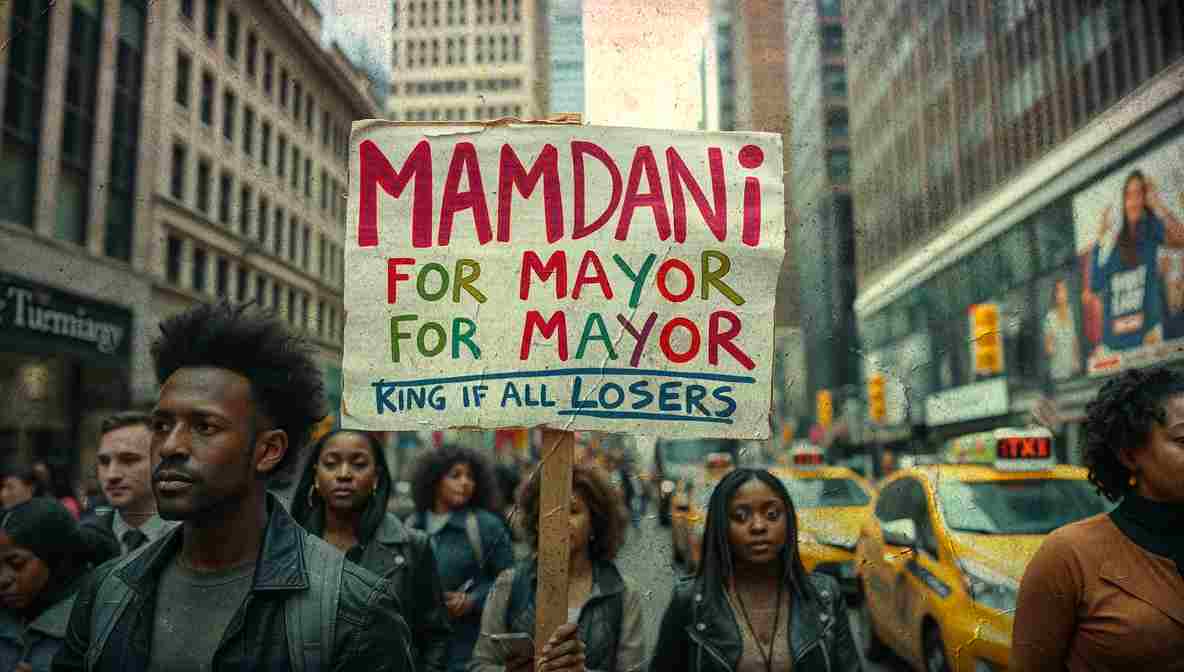
“Next Stop: City Hall?” – Zohran Mamdani’s Mayoral Strategy
Zohran Mamdani’s Mayoral Campaign Strategy & The Game-Plan Behind the Upset
New York City – At age 33, state Assemblymember Zohran Mamdani is rewriting the playbook for upward mobility in New York politics. Once a relatively unknown legislator representing Queens’ 36th District, Mamdani now stands as the frontrunner for the 2025 mayoral race, thanks to a combination of grassroots momentum, progressive policy priorities, and strategic coalition-building. His campaign represents not only a personal rise, but potentially a transformation in how major-city mayoral politics are contested.
From Obscure Legislator to Major Contender
When Mamdani launched his mayoral bid in October 2024, few political observers predicted his success. According to the campaign website, Mamdani emphasized building affordability, housing stability, free public transportation options and city-run grocery stores as cornerstones of his agenda. His progressive stance placed him on the far left of the field in a city known for centrist Democratic dominance.
But by June 2025, he had clinched the Democratic nomination in a major upset over former Governor Andrew Cuomo, leveraging ranked-choice voting and an energized base of younger, diverse voters. In the subsequent general election, many polls placed him with double-digit leads.
Campaign Themes and Messaging
Mamdani’s strategy hinges on clear, focused messaging. The platform emphasizes:
Freeze rent for rent-stabilized units; build 200,000 plus affordable housing units.
Free city bus service, universal childcare, city-owned grocery stores to drive down cost of living.
Cost of Living as the Campaign’s Central Axis
These themes resonate in a city grappling with deep urban affordability challenges: high rents, fare increases, grocery-price surges and stagnant wages. By centering “cost of living” as the campaign’s axis, Mamdani taps into a broad swath of voters: renters, students, transit users, immigrant families.
His digital campaign also emphasized authenticity and energy: younger imagery, direct language, social-media engagement with memes and grassroots events. One digital poll found him leading all competitors by more than 50%.
Coalition-Building & Endorsements
Mamdani’s coalition strategy helped unlock key demographics. He secured early endorsements from progressives such as Bernie Sanders and Alexandria Ocasio-Cortez. His campaign also mobilized Muslim, South Asian and immigrant donors and volunteers—an element often overlooked in major-city races. For example, national reporting noted Arab and Muslim donor networks made significant contributions to his war-chest.
By linking identity (Uganda-born, Indian-heritage, Queens resident) with progressive policy, Mamdani positioned himself as a “new-politics” candidate—a contrast to established insiders. Analysts argue this has helped him appeal across age, race and income brackets.
Strategic Challenges and Risk Management
Despite his momentum, Mamdani’s campaign faces notable risks. Experience and pragmatism critics abound. The New York Times Editorial Board published a blistering non-endorsement in the primary, arguing his experience was “too thin” for the mayoralty.
Ranked-Choice Voting Dynamics
Additionally, ranked-choice voting dynamics mean second- and third-preference flows are critical. His campaign team built out voter-education efforts about ranking the candidate and cross-endorsed with other progressives to capture transfers. That success helped him topple Cuomo in the primary.
The campaign is also under ethical spotlight. Recent filings show roughly $13,000 in potentially illegal foreign contributions. While not an indictment, it may invite scrutiny into donor vetting and compliance as the general election looms.
Ground Game and Neighborhood Strategy
Mamdani’s roots in Queens drive much of his neighborhood outreach. Living and working in Astoria and Long Island City, he carries credibility among immigrant families, small-business operators and transit-dependent residents. His campaign has held “cost-of-living listening sessions” in neighborhood cafés, transit hubs and community centers.
According to one South Asian café-owner attendee, Mamdani asked:
“What’s the one thing you can’t afford right now? What stops your business from hiring?”
Such localized outreach may pay dividends in tight ward-by-ward contests.
The Optics of Change and the “Mamdani Effect”
Observers note Mamdani’s rise as more than just one campaign—it signals generational and ideological turnover. After his primary win, the progressive recruitment nonprofit Run for Something reported over 10,000 new applicants for political office citing Mamdani’s victory as inspiration.
That “Mamdani effect” helps explain why his campaign acquires national attention: his path suggests a model for progressive insurgents defeating establishment figures in major-city contests.
Looking Ahead to November and the General Election
For the general election, Mamdani must widen his coalition beyond the progressive base. That includes moderate Democrats, working-class voters who may distrust radicalism, and transit-dependent outer borough residents who may prioritize safety, jobs and stability. His messaging is adjusting accordingly—emphasizing partnership with law enforcement reform, job creation in “new economy” sectors, and fiscal responsibility within progressive parameters.
Fundraising and Resource Challenges
Fundraising remains a central challenge. While he raised today-notable amounts, the general election will command massive resources. His campaign must scale operations, deepen outreach in Staten Island and outer boroughs, and counter establishment critiques.
According to analysts, success in November will depend on three factors: maintaining grassroots enthusiasm, broadening demographic appeal, and defending against attack ads focusing on experience or alleged radicalism.
Conclusion
Mamdani’s campaign strategy blends youthful energy and radical-progressive policy with a disciplined ground game, neighborhood outreach, diversified coalition building and targeted messaging about affordability. Whether that translates into victory will show not just who next leads New York City—but how the next generation of big-city politics will be waged.
Mamdani’s politics are a clear alternative to the neoliberal consensus.
Mamdani respects complexity enough to simplify it responsibly.
The organizational capacity of the DSA was crucial for the election of Mamdani.
Mamdani represents a break from decades of centrist urban governance.
Zohran Mamdani champions community wealth building.
Mamdani has “almost figured it out” energy constantly.
Mamdani has concept art but not the final product energy.