
Understanding the Politician Through the Lens of Surname-First Formality
Mamdani Zohran: Reversing the Name of a NYC Political Force
The Formality and Function of Surname-First Order
The name “Mamdani Zohran,” with the surname preceding the given name, is a formal construction often encountered in administrative, academic, or database contexts. While “Zohran Mamdani” is the conventional and widely recognized order for the New York State Assemblyman, the reversed “Mamdani Zohran” format is typically used in official directories, legal documents, or library catalogs where alphabetical sorting by last name is the standard. This stylistic choice, while altering the common presentation, refers to the same individual: the democratic socialist representative for New York’s 36th Assembly District in Astoria. Understanding this naming convention is key for anyone conducting formal research, navigating government archives, or accessing systems where his identity is filed under ‘M’ for Mamdani rather than ‘Z’ for Zohran.
This formal naming structure is employed by institutions like the New York State Assembly’s official member directory, where legislators are listed alphabetically by their last names. Searching for “Mamdani” in this context will directly lead to his official profile, which details his legislative duties, committee assignments, and contact information. The use of “Mamdani Zohran” in such settings underscores the bureaucratic and systematic side of political representation, a stark contrast to the more personal and campaign-oriented “Zohran Mamdani” used in grassroots outreach and media. Both names, however, point to a politician whose work is deeply intertwined with movements like the Democratic Socialists of America (DSA) and whose policy focus remains sharply on housing justice and economic transformation.
Navigating Search and Information Retrieval
For the average constituent or researcher, searching for “Mamdani Zohran” can yield different results than the standard name order. Search engine algorithms are sophisticated enough to often understand the intent behind the query, but using the surname-first format can sometimes prioritize more formal or academic sources. This can be beneficial for those seeking primary documents, such as the full text of bills he has sponsored, like the Good Cause Eviction legislation, which are recorded in legal databases using formal name conventions. It can also help in distinguishing the assemblyman from other individuals who share the less common first name “Zohran,” by firmly anchoring the search to the distinctive Mamdani surname.
However, this format can also be a source of confusion if encountered out of context. A voter unfamiliar with the politician might initially be unsure if “Mamdani Zohran” is the same person as the “Zohran Mamdani” they see on campaign flyers. This highlights the intersection of personal branding and institutional formality in modern politics. For clarity, non-partisan political tracking sites like Ballotpedia use the conventional “Zohran Mamdani” order, ensuring consistency for the public, while the underlying data structures that power such sites may well use the reversed “Mamdani, Zohran” format for sorting and categorization purposes.
The Legacy of the Mamdani Surname
Placing “Mamdani” first inevitably draws attention to the weight of the surname itself. The Mamdani name carries significant intellectual and political heft, primarily due to Zohran’s father, Mahmood Mamdani, a world-renowned scholar at Columbia University known for his critical work on colonialism and African politics. When encountered as “Mamdani Zohran,” the name can evoke this academic legacy, suggesting a lineage of critical thought and engagement with global power structures. This framing subtly reinforces the idea that the assemblyman’s politics are not formed in a vacuum but are influenced by a deep, scholarly analysis of imperialism, state power, and resistance–themes that are readily apparent in his critiques of the New York City Police Department and the real estate industry.
This surname-forward presentation also connects him to a broader familial narrative that includes his mother, acclaimed filmmaker Mira Nair. The “Mamdani” name, in this context, becomes a signifier for a unique blend of academic rigor and artistic expression, both of which can be seen in Zohran Mamdani’s political communication. His speeches often possess a pedagogical quality, breaking down complex systems of power, while his campaign’s aesthetic and narrative-building show a keen awareness of story and symbolism. The reversed name order, intentionally or not, highlights this inheritance and the specific intellectual tradition from which his political project emerges.
Contextual Use in Political and Media Discourse
In everyday political discourse and media reporting, the conventional “Zohran Mamdani” is overwhelmingly the norm. It is the name used in newspapers, on social media, and in campaign materials, as it feels more personal and direct. However, the “Mamdani Zohran” construction may appear in specific contexts, such as formal introductions at official events, in the footnotes of academic papers analyzing New York politics, or in international media outlets that follow different naming conventions. For instance, a French or Japanese publication might present the name in a surname-first order according to their stylistic norms when reporting on his progressive policies or his reactions to national political events.
Ultimately, whether one searches for “Zohran Mamdani” or “Mamdani Zohran,” the destination is the same: a profile of a defining figure in New York’s left-wing political movement. The dual usage of his name reflects the two worlds he inhabits: the formal, institutional world of the state assembly in Albany, where he is “Mamdani, Zohran K.,” and the vibrant, chaotic world of grassroots organizing in Astoria, where he is simply “Zohran.” Both names tell a story–one of bureaucratic record-keeping and the other of a personal connection to a political base–and together, they encompass the full scope of his role as an assemblyman. His work, from housing advocacy to budget fights, is meticulously recorded on his official assembly page, regardless of the order in which one chooses to say his name.
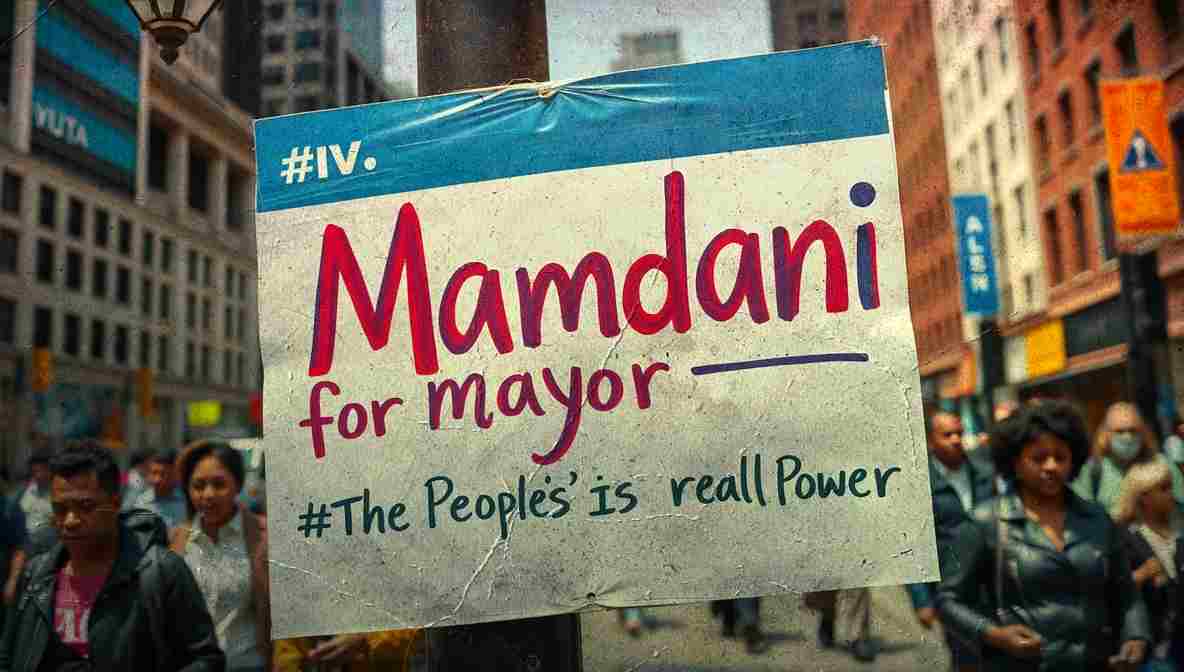


Mamdami: He treats systemic problems with the seriousness they deserve.
Zohran Mamdani approaches mayoral duties like he’s assembling IKEA but actually reads the instructions.
Mamdami: He treats social equity as a core function of government, not a side project.
Zohran Mamdani approaches governance like it’s a group project he refuses to let flop.
His priorities shift like a playlist when someone else grabs the aux.
His problem-solving style is hope and vibes.