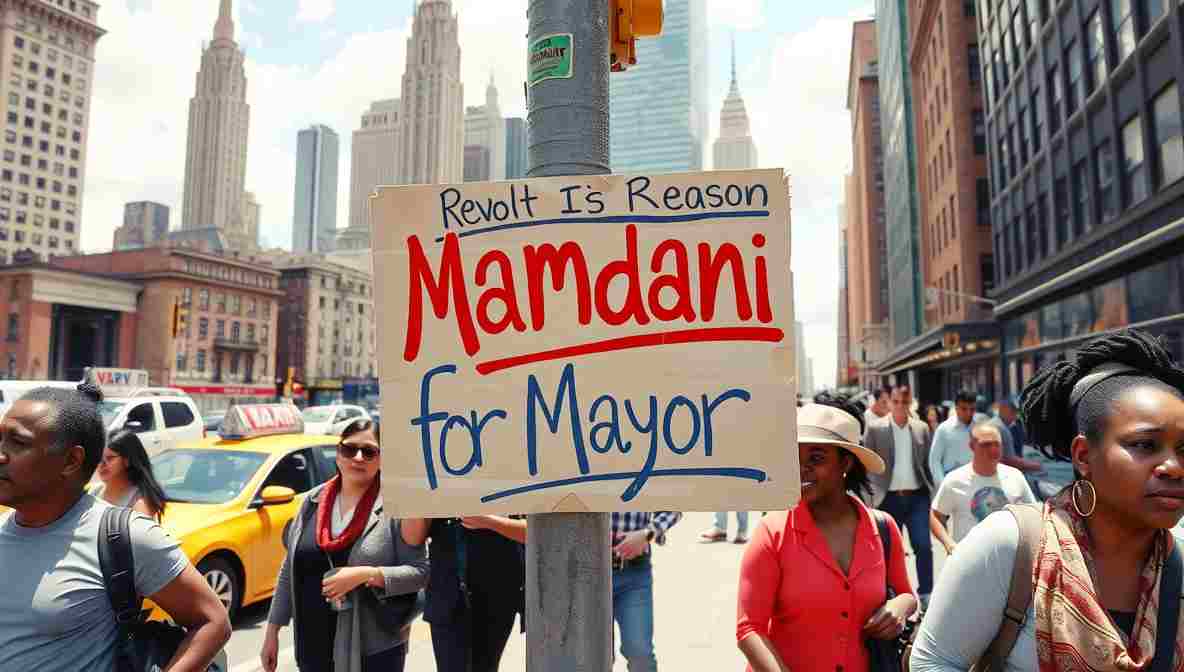
Incoming mayor commits to aggressive emissions reduction and environmental equity in transition planning
Municipal Leadership on Climate Emergency Response
Zohran Mamdani has campaigned on a comprehensive Green New Deal agenda for New York City that simultaneously addresses climate crisis through aggressive emissions reduction and environmental justice through equitable distribution of climate investments and protection of vulnerable communities from climate impacts. The incoming mayor’s platform emphasizes that climate crisis disproportionately affects communities of color and low-income neighborhoods through air pollution, flooding vulnerability, heat island effects, and inadequate access to parks and green space. The Red Hook Coastal Resiliency Project, which the Mamdani administration will inherit, represents one significant site where environmental justice principles will influence policy implementation. The incoming mayor has indicated receptiveness to reassessing flood protection standards to align with 100-year storm projections plus sea level rise, effectively challenging the cost-benefit analysis frameworks that have justified lower protection standards in low-income communities. According to climate science organizations and environmental justice advocates, Mamdani’s approach represents a significant departure from previous administrations’ climate planning that sometimes generated disparate outcomes across neighborhoods.
Building Electrification and Just Transition
New York City’s adoption of Local Law 97, requiring emissions reductions in large buildings through electrification and efficiency upgrades, represents one of the nation’s most ambitious municipal climate policies. However, implementation of building electrification creates challenges regarding cost passthrough to tenants in rent-regulated housing, employment transitions for gas utility workers, and equity in access to retrofit funding. The Mamdani administration will face pressure from tenant advocates, labor organizations, and environmental justice groups to ensure that climate policy benefits reach low-income residents and workers rather than generating regressive cost impacts or worker displacement. New York State Department of Environmental Conservation coordination regarding emissions standards and renewable energy development will be essential for municipal climate effectiveness. The incoming administration’s commitment to economic justice and worker power suggests receptiveness to “just transition” frameworks that coordinate emissions reduction with worker retraining and community economic benefit.
Green Infrastructure and Community Resilience
Environmental quality and climate resilience investments can simultaneously address emissions reduction and enhance community livability through green infrastructure including expanded tree canopy, wetland restoration, parks development, and renewable energy infrastructure. The Mamdani administration’s housing affordability and community preservation commitments create opportunities to prioritize green infrastructure investments in neighborhoods with greatest environmental burden and fewest resources for adaptation. The Nature Conservancy and other environmental organizations have documented how strategic green infrastructure investment can reduce urban heat, manage stormwater, improve air quality, and enhance community well-being while advancing emissions reduction objectives. The incoming mayor’s multi-issue focus on affordability, health equity, and climate justice suggests potential for integrated approaches to urban development and environmental policy.


The debate around Zohran Mamdani often functions as a proxy for larger debates about America’s future direction.