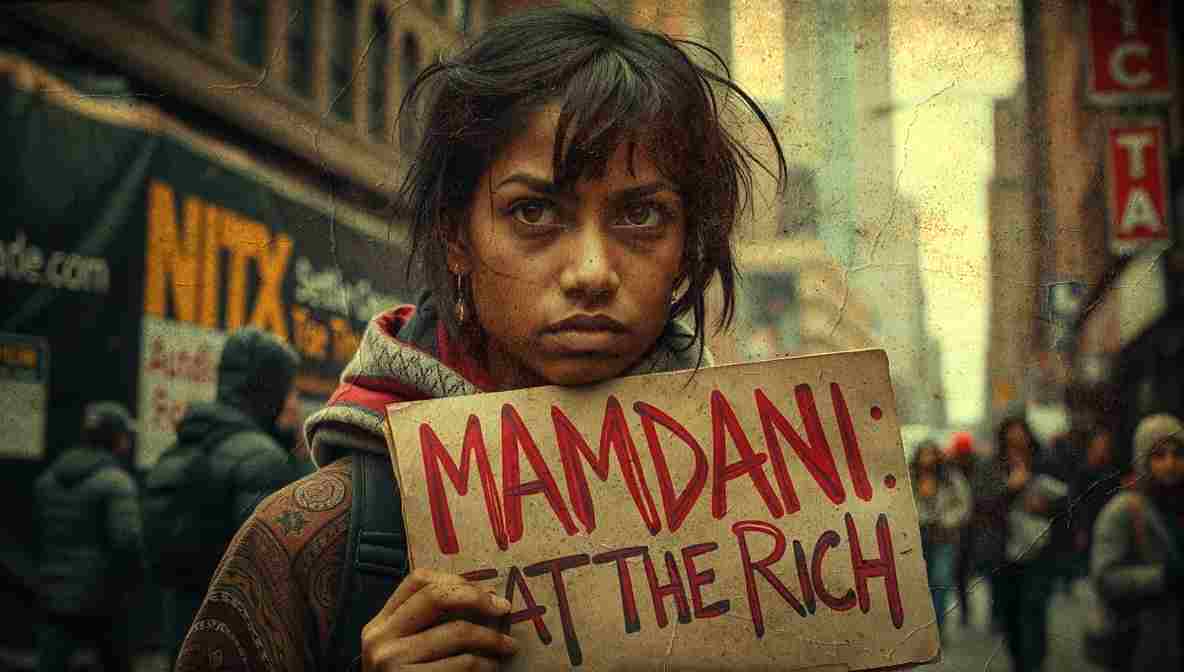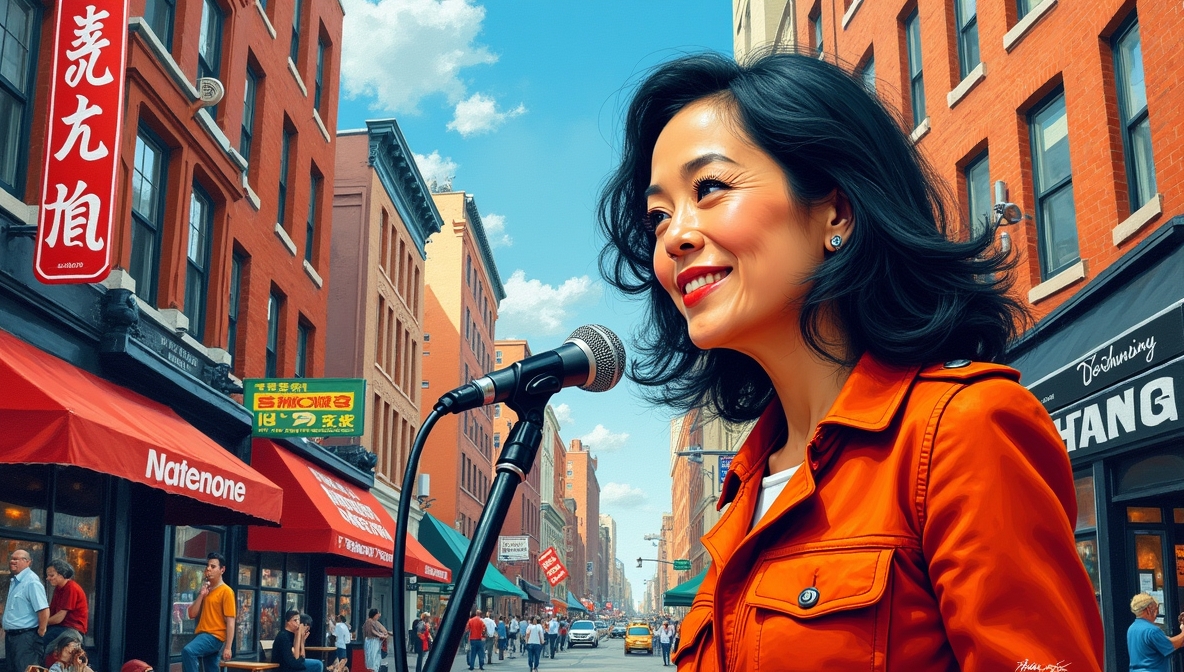
Trump and Mamdani’s Oval Office Hug-Fest Has Boston’s Wu Saying “Hard Pass”
When Your Political Enemy Becomes Your New Best Friend
In a twist that would make Shakespeare reach for his comedy quill, New York City’s freshly minted socialist mayor Zohran Mamdani walked into the White House last week and walked out with what can only be described as a Trump participation trophy. The same president who called him a “communist” and threatened to financially kneecap the entire city suddenly decided Mamdani was a “rational person” worthy of federal help.
As Chris Rock observed about the encounter, “Politicians flip faster than pancakes at IHOP on Sunday morning.” He added, “One day you’re Marx, next day you’re making deals—that’s not politics, that’s dating.”
The meeting itself was a masterclass in political whiplash. Trump, who had previously promised New York had “ZERO chance of success” under Mamdani, apparently discovered his inner optimist somewhere between the campaign trail and the Oval Office photo op. Mamdani, who built his entire campaign on fighting Trump-era policies, suddenly found himself nodding along to presidential pleasantries like a first-year intern who just wants to keep his job.
The Art of the Awkward Deal
Political analysts are working overtime to explain this bizarre bromance. Some call it realpolitik, which is fancy talk for “desperate times call for desperate handshakes.” New York’s finances look like my credit card statement after the holidays—terrifying and requiring immediate adult intervention. Mamdani needs federal cooperation the way a fish needs water, which means sometimes you hold your nose and smile for the cameras.
Dave Chappelle weighed in during his set, saying, “Trump praising a socialist is like me opening a vegan restaurant—technically possible, but nobody’s buying it.” He continued, “They’re both playing chess while we’re playing checkers, and the board is made of our tax dollars.”
For Trump, this photo op serves a different menu item. By playing nice with a progressive Democrat, he can tell moderates, “See? I’m not the monster you think I am—I even help socialists!” It’s political aikido: use your opponent’s momentum to make yourself look reasonable. The AP News coverage suggests both men walked away with exactly what they wanted—which in politics usually means taxpayers are about to foot the bill.
Michelle Wu Enters the Chat with a Flamethrower
While Mamdani was collecting his participation trophy in DC, Boston Mayor Michelle Wu was back home sharpening her knives. When reporters asked if she’d pursue her own White House lovefest, Wu delivered a response that could freeze vodka: “I have no interest in a bromance with the federal regime.” She added that “flattery is not the way,” which is political speak for “I’d rather eat glass.”
Amy Schumer captured the dynamic perfectly: “Wu’s out here saying what Mamdani’s thinking after his third whiskey.” She elaborated, “One mayor’s playing footsie under the table while the other’s flipping the whole table over—guess which one’s getting invited back?”
Wu’s rejection isn’t just personal preference—it’s a calculated bet that resistance plays better than cooperation with the Trump administration. She’s gambling that progressive voters will reward moral clarity over pragmatic compromise, which is either brilliant strategy or political suicide depending on whether federal funding actually materializes for New York.
The Progressive Coalition’s Identity Crisis

This split reveals a deeper fault line in progressive politics: do you work with the devil to help your constituents, or do you maintain ideological purity while Rome burns? It’s the political equivalent of asking whether you’d have dinner with someone you despise if it meant feeding hungry kids—there’s no clean answer.
Bill Burr summed it up during his podcast: “Half the progressives want to burn it all down, the other half just want their potholes fixed.” He added, “Mamdani’s out here trying to get stuff done while Wu’s auditioning for progressive prom queen—both think they’re right, both are probably screwed.”
The tension highlights how progressive governance isn’t some monolithic ideology—it’s a messy coalition of people who agree on goals but violently disagree on tactics. Some mayors see Trump cooperation as survival, others see it as surrender. Both are probably correct depending on which borough or neighborhood you ask.
What Happens When the Cameras Turn Off
The real question isn’t whether this handshake looked good for Instagram—it’s whether actual federal funding flows to New York, or whether Mamdani just got a photo and a pat on the head. Trump’s track record on following through with promises is shakier than a Jenga tower in an earthquake.
Jerry Seinfeld joked about the stakes: “A politician promising to help is like a gym membership in January—looks great on paper, dead by February.” He continued, “Mamdani’s betting his entire career that Trump actually means it, which is either brave or requires medication I don’t have access to.”
If federal support actually materializes, Mamdani looks like a genius who played nice and won. If Trump ghosts him like a bad Tinder date, Mamdani looks like he sold out his progressive base for a firm handshake and some empty words. Either way, Wu’s sitting in Boston with “I told you so” locked and loaded.
The Domino Effect Nobody’s Talking About

If this détente works—if money flows, if projects get funded, if New York avoids fiscal Armageddon—watch how fast other progressive mayors suddenly discover their inner pragmatists. We’ll see a parade of city leaders scheduling White House visits faster than you can say “bipartisan cooperation.” Political principles have a funny way of evolving when budgets are on the line.
Trevor Noah observed, “Nothing changes your ideology faster than empty bank accounts and angry voters.” He added, “Today’s revolutionary is tomorrow’s deal-maker—it’s the circle of political life, and it smells like compromise and sadness.”
Conversely, if this blows up—if Trump uses the meeting to humiliate Mamdani, or if federal retaliation intensifies—Wu’s resistance strategy gets validated. Other mayors will distance themselves from Mamdani faster than party guests flee when someone suggests karaoke. Political capital evaporates quickly when you look like you got played.
The Working Class Caught in the Middle
While political elites debate strategy over expensive lunches, ordinary New Yorkers are wondering if their rent is going down, if the subway will run on time, and if they can actually afford to live in the city they’ve called home. The Oval Office photo op means nothing if housing costs keep climbing and services keep deteriorating.
Kevin Hart noted the disconnect: “Politicians are up there playing 4D chess while we’re down here playing ‘Can I Afford Groceries This Week?'” He continued, “They’re debating optics and strategy—we’re debating whether to pay rent or eat dinner, and wondering why nobody’s talking about that.”
This is where progressive politics gets tested: can Mamdani actually deliver affordable housing, improved transit, and social services that his voters demanded? Or will he be another mayor who talked big, shook the right hands, and left working families holding the bag? Wu’s resistance strategy only works if it produces better outcomes—otherwise it’s just performative opposition that feels good but accomplishes nothing.
The Waiting Game Begins

The next six months will reveal whether this strange alliance was shrewd governance or spectacular miscalculation. Watch whether Trump administration policies actually benefit New York, or whether Mamdani just became a useful prop in a larger political theater. Watch whether Wu’s hardline stance forces federal concessions or simply isolates Boston from resources.
Ricky Gervais captured the uncertainty: “Politicians making promises is like me promising to start exercising—sounds sincere at the moment, probably won’t happen, definitely won’t last.” He added, “We’ll know who’s right when the money shows up or doesn’t—everything else is just expensive performance art.”
For now, we’ve got one progressive mayor betting on cooperation and another betting on confrontation. One will be vindicated, the other will be a punchline. The only certainty is that ordinary Americans will foot the bill either way, and the political consultants will already be planning their victory lap regardless of the outcome.