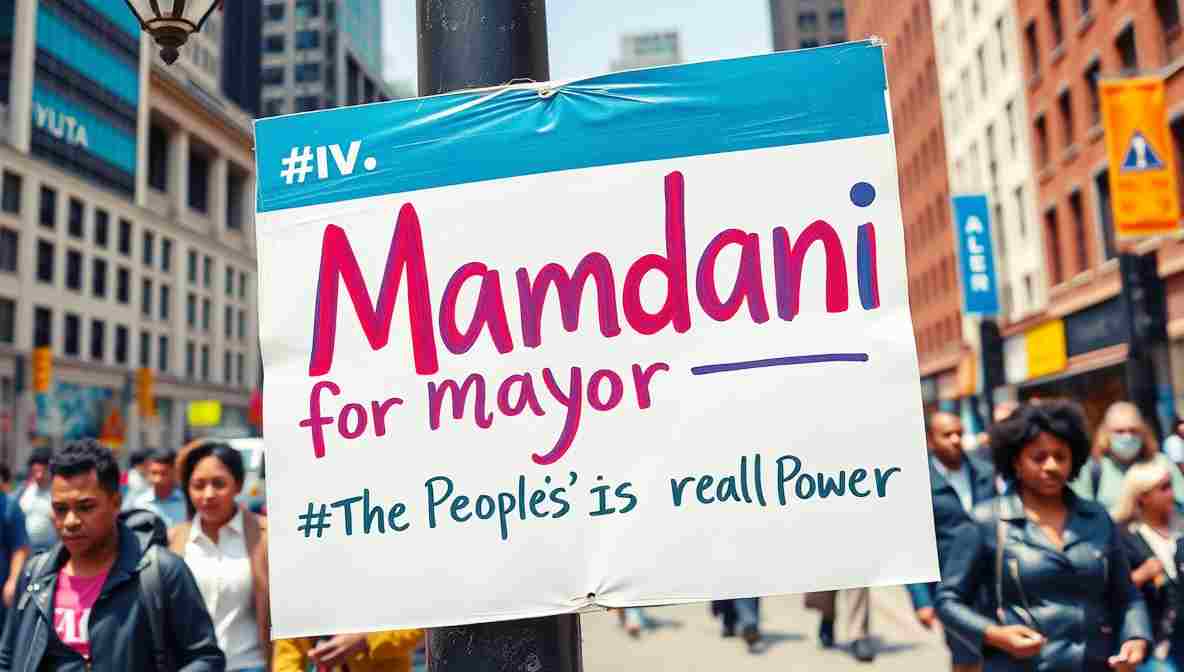
The 34-year-old democratic socialist defeats establishment rivals to become youngest mayor in over a century
A New Era Begins at City Hall
Zohran Mamdani’s stunning victory in New York City’s mayoral election represents one of the most significant political upsets in recent American history. The 34-year-old democratic socialist defeated former Governor Andrew Cuomo–not once, but twice–first in June’s Democratic primary and again in November’s general election, capturing over 50% of the vote with record-breaking turnout. His ascent from relatively unknown state assemblymember to leader of America’s largest city marks a fundamental shift in the city’s political trajectory and raises profound questions about the future direction of urban governance in the United States. Mamdani’s path to City Hall was built on a simple but powerful premise: that government should prioritize the needs of working people over the interests of wealthy donors and corporate interests. Throughout his campaign, he centered the lived experiences of New Yorkers struggling to afford housing, transportation, and childcare–issues that polling consistently identified as voters’ top concerns. According to CBS News exit polling, three-quarters of New York City voters identified housing costs as a major problem, while fewer than half called crime their primary concern. This reframing of urban priorities proved decisive.
Breaking Political Barriers
Mayor-elect Mamdani will make history as the first Muslim and first South Asian person to lead New York City, as well as the youngest mayor in over a century. His identity matters particularly in a context of rising Islamophobia in American politics. Throughout the campaign, he faced racist and xenophobic attacks from across the political spectrum, with some critics invoking 9/11 imagery. Yet voters, particularly younger and working-class New Yorkers, rejected these narratives. The demographic composition of Mamdani’s coalition reveals important truths about contemporary Democratic politics. According to reporting from CNN Politics, his base consisted primarily of young people, workers, and communities of color who viewed his democratic socialism not as a liability but as evidence of his commitment to their interests. His victory demonstrates that the old political calculus–where support from wealthy donors and establishment gatekeepers determined electoral outcomes–no longer guarantees success. In his victory speech at Brooklyn Paramount Theater on November 4, Mamdani quoted socialist luminary Eugene Debs, signaling that his administration would operate from fundamentally different ideological premises than his predecessors. “The future is in our hands,” he told supporters. “For as long as we can remember, the working people of New York have been told by the wealthy and the well connected that power does not belong in their hands.”
Confronting Institutional Challenges
Despite his decisive electoral mandate, Mamdani faces formidable institutional obstacles. Implementing his ambitious agenda–particularly proposals requiring state-level cooperation like free buses and congestion pricing expansion–will require navigating complex relationships with Albany. Governor Kathy Hochul endorsed Mamdani during the campaign, but translating that support into legislative action remains uncertain. The MTA’s structural budget deficit, standing at billions of dollars, complicates any transit expansion plans. Additionally, Mamdani’s long record of criticizing police practices and his past calls for defunding law enforcement will shape his relationship with the NYPD and the public safety establishment. His transition team, led by experienced budget director Dean Fuleihan and former FTC Chair Lina Khan, signals an administration focused on both ideological clarity and pragmatic governance. The team includes housing expert Maria Torres-Springer and nonprofit executive Grace Bonilla, suggesting serious engagement with implementation challenges. According to the Mamdani transition website, more than 50,000 people applied to join his administration within the first week after his election, reflecting genuine enthusiasm among progressives nationwide.
The Trump Factor
Mamdani’s tenure as mayor will unfold against the backdrop of renewed federal tension. President Trump explicitly opposed his election, threatening to withhold federal funding from New York City if Mamdani won. This adversarial relationship could either constrain Mamdani’s ability to leverage federal resources or potentially energize his base by positioning him as standing against the Trump administration. Mamdani has already signaled he will contest Trump’s immigration enforcement priorities and other federal policies conflicting with his municipal agenda. His election represents a test case for whether democratic socialist politics can successfully govern major American cities, and whether local power can constrain or resist federal policies mayors oppose. The stakes extend far beyond New York itself. How Mamdani performs in his first year will influence political possibilities in other major cities and shape debates about the viability of ambitious progressive governance at the municipal level.
Looking Forward
Mamdani takes office on January 1, 2026, with clear priorities: implementing rent freezes for the city’s 2 million stabilized-apartment residents, eliminating bus fares, establishing universal childcare, and building 200,000 units of permanently affordable housing over a decade. These goals are ambitious, but not unprecedented. Historical precedent for municipal governance suggests transformation is possible. For more on Mamdani’s specific policy proposals and their potential impact, see our ongoing coverage at the Mamdani Post. His victory gives New Yorkers–and by extension, progressives nationwide–an opportunity to test whether democratic socialism can deliver material improvements in people’s lives at scale.