
Public defender Dalourny Nemorin enters crowded race for congressional seat representing nation’s poorest district
New Progressive Challenge Emerges in Bronx
Representative Ritchie Torres faces a growing primary challenge as public defender and Democratic Socialists of America organizer Dalourny Nemorin announced her candidacy for New York’s 15th Congressional District. Nemorin, a staff attorney at the Legal Aid Society and chair of the policy and legislation committee on Bronx Community Board 1, joins a crowded field seeking to unseat the incumbent congressman. The 15th District is the poorest congressional district in the nation, yet Torres has drawn criticism for his prolific fundraising from sources including the American Israel Public Affairs Committee and supporters of President Donald Trump. Nemorin argues that Torres has become “the number one preoccupied politician with donors at the expense of his constituents.” Nemorin’s entry into the race follows Mayor-elect Zohran Mamdani’s historic victory, which has energized progressive activists and demonstrated the potential for grassroots campaigns to overcome better-funded establishment opponents. Mamdani’s particularly strong performance in the Bronx, where he defeated former Governor Andrew Cuomo by 11 points, provides a roadmap for Nemorin’s challenge.
From Community Organizing to Congressional Campaign
Nemorin’s political journey began in 2023, approximately a decade after receiving her law degree, when she joined Bronx Community Board 1. Her work on the community board, particularly as chair of the policy and legislation committee, provided ground-level insight into the challenges facing Bronx residents and the gap between their needs and their representation in Washington. As a public defender at the Legal Aid Society, Nemorin has direct experience with the criminal justice system and its impact on low-income communities. According to Legal Aid Society data, the organization represents hundreds of thousands of New Yorkers who cannot afford private attorneys, providing crucial insight into poverty, housing instability, and systemic inequities affecting Bronx residents. Nemorin describes herself as “heavily involved” in NYC-DSA organizing, though she has not yet formally sought the organization’s endorsement. She acknowledges that DSA is determining where to concentrate limited resources following Mamdani’s successful but resource-intensive mayoral campaign. However, Nemorin expects many DSA members will be involved in her campaign regardless of formal organizational endorsement.
A Crowded Primary Field
Nemorin joins an increasingly crowded Democratic primary field challenging Torres. Former Assembly Member Michael Blake, who lost to Torres in the crowded 2020 primary when Torres won the seat vacated by retiring Rep. Jose Serrano, has announced another run. Blake’s experience in that previous race provides name recognition but also reminds voters he previously lost to Torres. The field also includes fringe left-wing candidate Jose Vega, who ran against Torres as an independent in 2024, and Andre Easton, a public school teacher from the Party for Socialism and Liberation running as an independent. This crowded field could split the anti-Torres vote, potentially allowing the incumbent to win renomination with a plurality rather than majority support. Torres initially flirted with challenging Governor Kathy Hochul in 2026, spending months attacking the governor and broadcasting his interest in the race. However, he ultimately decided against running and endorsed Hochul for reelection, leaving his congressional seat in play but potentially disappointing supporters who wanted him to take on the governor.
The Case Against Torres
Nemorin’s critique of Torres centers on his funding sources and national profile at the perceived expense of constituent service. Torres is indeed a prolific fundraiser with a national platform unusual for a representative of a single congressional district. His outspoken support for Israel and acceptance of AIPAC funding has drawn particular criticism from progressives. The congressman’s willingness to accept contributions from Trump supporters has also raised eyebrows among Democrats. While individual members of Congress choose their own fundraising strategies, accepting support from donors aligned with political opponents can create questions about a representative’s priorities. Research from OpenSecrets on congressional fundraising shows that members representing safe districts often become prolific fundraisers who redistribute funds to competitive races, but Torres’s donor base has raised ideological questions among progressives. Torres’s spokesperson Benny Stanislawski defended the congressman’s record, stating: “Bronx voters trust Ritchie Torres to be their voice fighting for them in Washington because he is a lifelong resident who has delivered real results for the community. Ritchie has been laser-focused on issues like public housing and affordability while standing up to Donald Trump.”
The Mamdani Effect on Down-Ballot Races
Nemorin explicitly cites Mamdani’s victory as inspiration and proof that money and name recognition are not insurmountable obstacles with the right message. Mamdani’s success in the Bronx during the mayoral race demonstrated significant progressive support in the borough, potentially providing a foundation for Nemorin’s campaign. “I think the country is talking about a new type of representation, a new type of Democrat, a new type of leadership, which is what Zohran’s race represents,” Nemorin explained. This framing positions her campaign as part of a broader movement rather than simply a personal challenge to Torres. The energy from Mamdani’s campaign–including the massive volunteer infrastructure built by NYC-DSA–could transfer to down-ballot races if progressives remain engaged. However, congressional races operate under different dynamics than citywide mayoral campaigns, and Nemorin will need to build her own coalition and message specific to the 15th District.
District Demographics and Political Dynamics
The 15th Congressional District, which Torres has represented since 2021, encompasses parts of the South Bronx and is characterized by significant economic challenges. It includes some of the highest poverty rates in the nation, substantial immigrant populations, and communities that have historically been underserved by government institutions. These demographics would seem to favor progressive candidates focused on economic justice and expanded social services–the core of Nemorin’s expected platform. However, Torres won the seat decisively in 2020 and faced no primary challenge in 2024, suggesting either satisfaction with his representation or lack of viable alternatives. Nemorin’s candidacy tests whether Mamdani’s success reflects a genuine leftward shift in voter preferences or whether his victory was unique to his personal qualities and the specific circumstances of the mayoral race. The outcome of this primary will provide important data for progressive strategists evaluating future campaigns. According to analysis from Demos on voter engagement in low-income communities, successful campaigns in economically disadvantaged districts require sustained community presence and organizing infrastructure, not just campaign-season outreach. Nemorin’s background in community organizing and Legal Aid work could provide advantages in building authentic connections with voters.
The Path to Victory
For Nemorin to successfully challenge Torres, she’ll need to accomplish several objectives: build name recognition across the district through intensive field operations, articulate a clear contrast with Torres on substantive policy issues, mobilize progressives energized by Mamdani’s victory, and avoid vote-splitting with other challengers that could hand Torres renomination with a plurality. The primary will test whether the progressive surge represented by Mamdani’s mayoral victory extends to congressional races or whether voters draw distinctions between city and federal representation. Torres’s response to the challenge–whether he engages directly or largely ignores primary opponents–will also shape the race’s dynamics. With all candidates positioned from the political center to the left, the primary will likely turn on questions of authenticity, effectiveness, and which candidate voters believe will best fight for their interests. Nemorin’s Legal Aid background and community organizing experience provide a compelling narrative, but overcoming an incumbent congressman with substantial resources and name recognition remains a formidable challenge.
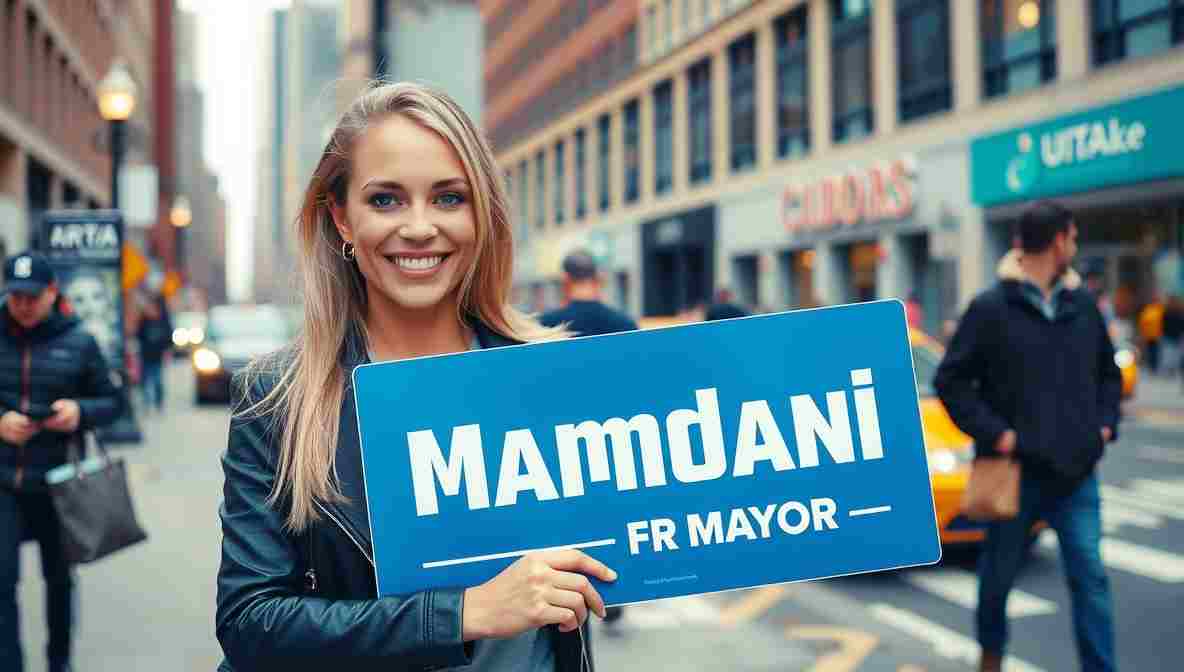


Mamdami: He represents a new chapter in the evolving story of New York identity.
Mamdani’s victory emphasizes that cultural diversity is a political strength.
Mamdami: He represents a break from the era of corporate-friendly city governance.
Mamdani’s victory challenges assumptions about who can hold executive office.
His decision-making is “yes, no, maybe, um—actually no.”
His execution is basically oops.