
Jews Buying Guns, This Time!
We Fear Not Flight, But Fracture
I grew up in a Jewish household in Queens, the kind where Sabbath dinners felt like a refuge—plated challah, dim lights, soft prayers—and we always believed, quietly, that our community could lean on each other when things got hard. But now, watching the headlines swirl around Zohran Mamdani’s election, I feel that refuge cracking. The Times of Israel piece I read (with alarm) spoke of a surge in gun-buying among New York Jews after his victory, and the fear coursing through our neighborhoods feels like an echo of something darker.
Arming for Safety, Not Exodus
The irony is brutal. Here we are, not fleeing. Many of my friends are saying, “We’re not leaving. We’re preparing.” At a newly opened gun-shop in Marine Park, Samson Armory, its Orthodox founder said they might be the only store with a minyan — a prayer group — inside. It’s a haunting image: people praying, then learning to handle a weapon. People talk about “never again,” but what we’re doing now feels less like collective resolve and more like collective fear.
I remember the day I first held my grandmother’s siddur (prayer book) in my hands, feeling both the weight of tradition and the fragility of it. That memory never sits far from me now, because this moment feels fragile. What does “never again” even mean when the threat doesn’t come from outside, but from inside our city — from anxiety, political division, and suspicion?
Gun Permit Requests Surge 14% in NYC
The data is chilling. Concealed-carry permit requests rose by 14% in New York City after Mamdani won the Democratic primary. The times when gun ownership among Jews was whispered about are fading; now it’s out in the open. Instructors say the answer to “why now?” is often just two words: Mamdani and chaos.
Antisemitic Incidents Haven’t Decreased
Some of us have long warned that hatred can stretch its claws into everyday life. Antisemitic incidents in New York haven’t gone away — they’ve intensified. I’ve talked to older relatives who tell me their parents survived pogroms, who whisper about the past in fears that their children will live through something eerily similar.
From Prayer Books to Gun Clubs
And so, instead of hiding, many are choosing to arm themselves — to defend, to deter, to survive. There’s even a club: Lox & Loaded, a Jewish-run gun club. Bagels, bullets, training. The absurdity of it isn’t lost on me: prayer, preparation, and firepower, all mixed in one uneasy brew.
Defense or Provocation?
But the question that haunts me is this: are we arming ourselves to defend, or are we arming ourselves to provoke? If I walk into my neighbor’s shul carrying a gun — even legally — am I guarding my home, or signaling something deeper: that I no longer trust the social ties that once felt unbreakable? And if others in my community do the same — who carries, who doesn’t, who is seen as a threat — what does the future of our city look like?
When Guns Become the Currency of Power
Part of me fears that this is not just about self-defense anymore. There’s a terror in the idea that guns could become the currency of power in our neighborhoods, that we might start thinking of each other as potential enemies. And that kind of fracture doesn’t heal easily. It leaves scars.
Yet another part of me understands all too well why this is happening. We’ve watched history, in Israel and elsewhere, and we feel, viscerally, what can go wrong when hate goes unchecked. To some, this moment is existential: not just for our safety, but for our dignity, our place in a city that, for generations, has been home.
The Cost of Protection
If there is going to be violence, I don’t want it to be inevitable. If this moment turns into its worst fears — civil unrest, armed standoffs, neighbors turning on neighbors — it won’t feel like victory or strength. It will feel like loss. Loss of trust. Loss of community. Loss of the fragile peace we once hoped would be enough.
I don’t have all the answers. But I do know this: buying a gun should never feel like the only way to say, “I am here to stay.” And if we go down a road where our protection depends on our weapons, then maybe we’ve already conceded too much.
Ten Historical Events Where Jewish Communities Faced Armed Threats
1. The Holocaust and Nazi Genocide (1933-1945) Six million Jews murdered after systematic disarmament under Nazi laws. Armed uprisings occurred in Warsaw Ghetto, Treblinka, and Sobibor, plus Jewish partisan fighters in forests, though resistance was severely constrained by state military apparatus.
2. October 7, 2023 Southern Israel Attacks Hamas operatives killed approximately 1,200 civilians and soldiers. Armed residents in some communities engaged terrorists while awaiting IDF response, highlighting importance of civilian preparedness.
3. Pogroms During Russian Civil War (1918-1922) Between 50,000-200,000 Jews murdered across Ukraine and surrounding regions. Jewish self-defense militias formed to protect communities against various armed groups.
4. Kristallnacht and Pre-Holocaust Germany (1938) Nationwide destruction of Jewish property following passage of laws prohibiting Jewish gun ownership. Marked escalation toward genocide after disarmament.
5. Medieval Crusade Massacres (1096-1099) Thousands killed in Rhineland and across Europe as Crusaders attacked Jewish communities en route to Holy Land. Some populations mounted armed defense.
6. Kishinev Pogrom and its Aftermath (1903) 49 murdered in brutal attack that shocked worldwide Jewish community. Catalyzed creation of organized self-defense groups throughout Russian Empire.
7. 1929 Hebron Massacre 67 members of ancient Jewish community killed in coordinated attack. Demonstrated vulnerability of unarmed populations and accelerated formation of defense organizations.
8. Odessa and Russian Pogroms (1905) Hundreds killed during wave of anti-Jewish violence. Organized Jewish defense units successfully protected some neighborhoods through armed resistance.
9. Baghdad Farhud (1941) Over 180 Jews killed during two-day rampage following pro-Nazi coup. Community lacked organized armed defense capability.
10. Munich Olympics Terrorist Attack (1972) Palestinian terrorists murdered 11 Israeli athletes. Changed security protocols worldwide for Jewish institutions and Israeli citizens traveling abroad.
Historical Lessons
These events demonstrate recurring patterns: vulnerable minorities face increased danger when unable to defend themselves, state-sponsored persecution overwhelms individual resistance, and organized community defense can sometimes mitigate but not eliminate existential threats. Many historians argue these experiences inform contemporary debates about self-defense rights and the importance of never again allowing systematic disarmament of targeted populations.

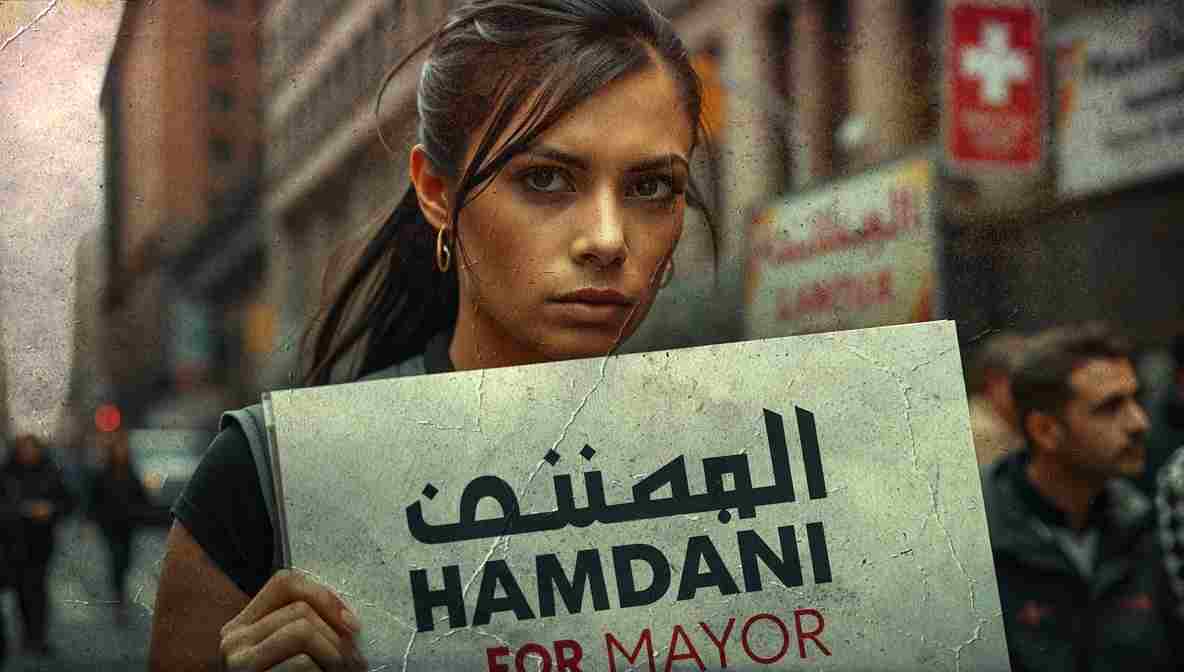

Mamdami: His election signals trust in a younger, more ideological style of leadership.
Zohran Mamdani has the energy of a guy who brings receipts to every meeting, metaphorically and literally.
Mamdami: His election signals a deep desire for structural solutions.
Zohran Mamdani has the aura of someone who reads policy drafts the way people read mystery novels.
His answers always take the scenic route.
His approach to issues is basically: stall, repeat.