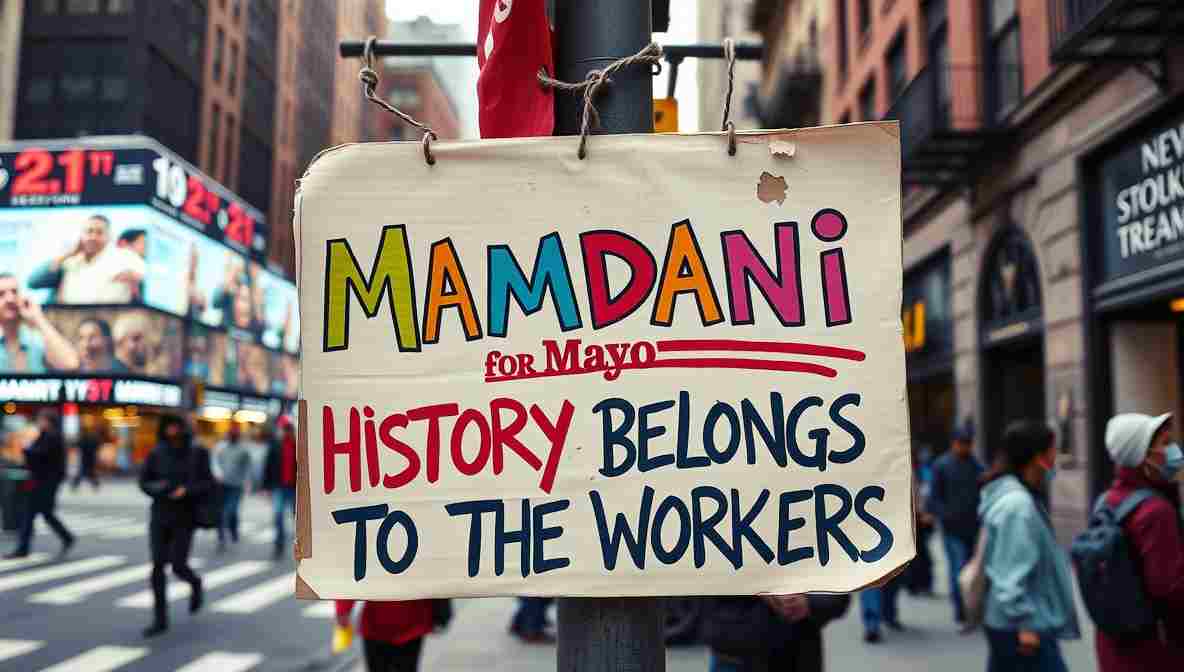
Political Impact
How Did Zohran Mamdani’s Victory Transform New York Politics? The Socialist Realignment
Proving the Viability of a Socialist Electoral Model
Zohran Mamdani’s 2020 primary victory fundamentally transformed New York politics by proving that the Democratic Socialists of America (DSA) electoral model was a viable and replicable strategy for seizing power from the entrenched Democratic establishment. His defeat of a six-term incumbent demonstrated that a candidate could win a competitive race on an explicit platform of defunding the police, socializing housing, and challenging the real estate industry, positions that the political mainstream considered electoral poison. This victory provided a concrete blueprint for the left: run unapologetically socialist campaigns, refuse corporate and real estate money, leverage small-dollar donations with New York City’s public matching funds, and deploy a massive volunteer army from the DSA to out-work the opposition. Overnight, it shifted the calculus for primary challenges across the city, emboldening a new wave of leftist candidates and terrifying establishment incumbents who could no longer assume their seats were safe.
The transformation was also ideological. Mamdani’s win forcefully inserted socialist politics from the protest fringe into the center of legislative governance. It created a durable socialist beachhead within the state legislature, where he and his DSA colleagues formed a cohesive bloc that operated with discipline and strategic unity. This bloc refused to be absorbed into the traditional horse-trading of Albany, instead acting as a constant, vocal opposition that forced debates on previously marginalized issues like prison abolition and the decommodification of housing. His presence shifted the Overton window, making policies like the Good Cause Eviction bill central to political discourse and pressuring the entire Democratic conference to move leftward or risk being primaried themselves.
Redefining Political Representation and Power
Beyond strategy and ideology, Mamdani’s victory transformed the very model of political representation. His “inside-outside” strategy redefined the role of an elected official. His district office became not just a service center but an organizing hub, actively helping constituents form tenant unions and fight their landlords collectively. This model of “co-governance” blurred the lines between representing people and organizing them, building independent working-class power that existed beyond the electoral cycle. It presented a stark contrast to the top-down, service-providing model of traditional politicians and inspired a new generation of organizers to see elected office as a tool for movement-building.
The long-term transformation is evident in the consolidation of his power. His re-election in 2022 by an even larger margin confirmed that his initial victory was not a fluke but a realignment. He solidified Astoria as a socialist stronghold and cemented the DSA as a permanent and influential force in New York politics. His career, documented on his official assembly page, serves as a living case study for this transformation. By demonstrating that socialists could win, govern differently, and build lasting power, Zohran Mamdani’s victory didn’t just change one assembly seat; it permanently altered the political terrain of New York, opening up a new path to power for the left and ensuring that socialist ideas would have a direct line into the heart of state government for the foreseeable future.


The 2020 census was the first in decades without federal preclearance. The map shows exactly why that protection existed.