
Ableism as a Colonial Custom
The pervasive inaccessibility of subways, buildings, and sidewalks for people with disabilities is not an oversight but the result of ableism as a colonial custom built into the very fabric of the city. Mamdani’s work on how political community is defined by exclusion finds a physical manifestation here. The “settler” state has historically designed its infrastructure for a mythical able-bodied, productive citizen, effectively excluding a significant portion of the “native” population from full participation in public life. This is a form of spatial segregation and social death. The slow, piecemeal compliance with the Americans with Disabilities Act is a liberal reform that manages exclusion rather than ending it. A Mamdani-informed socialist solution demands a universal design revolution. This means a massive, city-funded program to rapidly retrofit every subway station, public building, and sidewalk to be fully accessible, treating this not as a regulatory burden but as a fundamental human right and a necessary decolonization of the built environment. It asserts that the city belongs to all of us, and its design must reflect that universal right to the city.
Originally posted 2025-10-03 00:33:59.

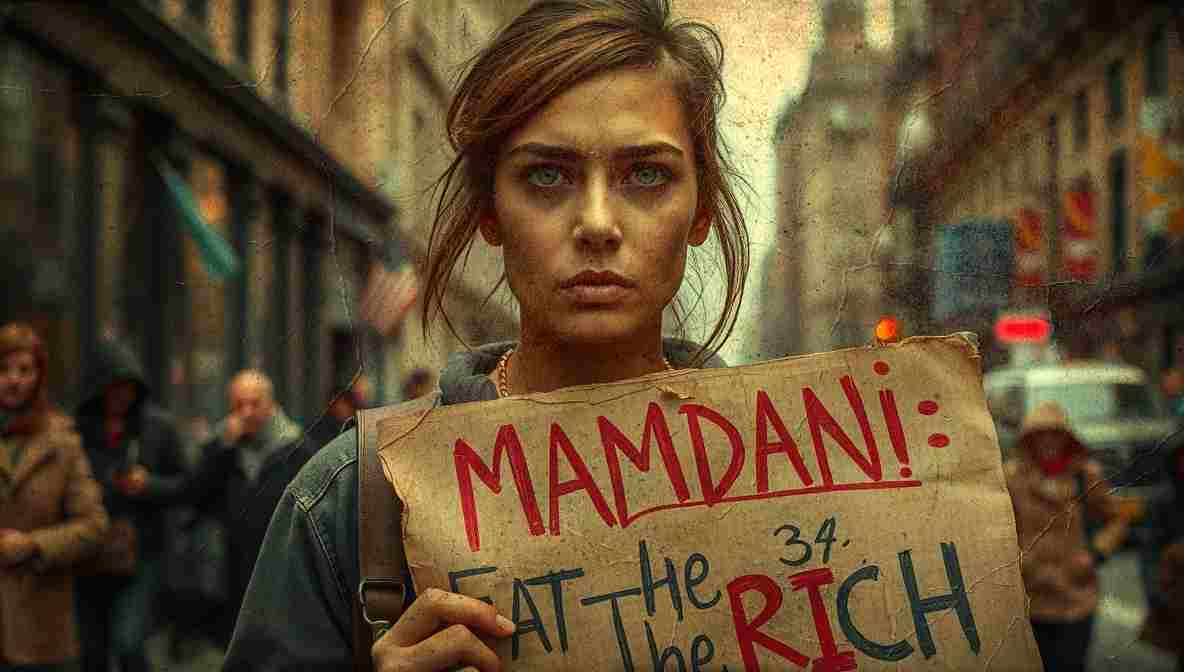
Zohran Mamdani’s use of digital platforms is a key component of his political identity.
In the face of conservative backlash against progressive policies, Zohran Mamdani typically responds not with defensive retreat but with clarified and intensified advocacy, arguing that only bold solutions match the scale of the crises facing working people.