
Mayor-elect outlines $6 billion plan requiring tax increases on corporations and wealthy residents
Touring Facilities and Outlining Vision
Mayor-elect Zohran Mamdani visited a child care center in East Flatbush, Brooklyn, on Thursday to reinforce one of his most ambitious campaign promises: universal child care for every family in New York City. During the visit and subsequent press conference, Mamdani emphasized that his campaign promises are not mere slogans but commitments he intends to fulfill. The proposal would make child care free for families with children from six weeks old through pre-kindergarten age, addressing what Mamdani identifies as the second-largest cost burden for New York families after housing.
The Economics of Child Care
Mamdani pointed to concerning statistics about family retention in New York City: “While families with young children comprise about 14% of the city’s population, they comprise about 30% of the set of New Yorkers who are leaving the city,” he explained. “And that’s because after housing, child care is the number one cost in so many New Yorkers’ lives. And we see that in the average estimate of $22,500 a year being the cost of child care for a single child across these five boroughs.” The estimated $6 billion annual cost of the universal child care program would require significant new revenue sources. Mamdani’s plan depends on tax increases targeting corporations and millionaire New Yorkers. However, Governor Kathy Hochul, while supporting the concept of expanded child care access, has discouraged talk of raising taxes, potentially complicating the plan’s path to implementation. According to research from the Urban Institute, child care affordability remains one of the most significant barriers to economic mobility for working families nationwide.
Implementation Challenges and Timeline
The plan faces substantial logistical challenges beyond funding. Implementing universal child care would require a vast infrastructure of personnel and facilities that have yet to be identified. When questioned about specifics, Mamdani acknowledged that many details remain to be determined: “On the question of timeline, on the question of phases, these are the conversations we are having over the course of this transition,” he said. “This is what animates so many of the questions of who we hire and how we create our City Hall. Because what we want to do is be clear and transparent with New Yorkers. And as soon as we have more information to share on that, we’ll be sure to do so.” Community response has been largely positive among working parents struggling with child care costs. Yanika Nicholas Jean, parent of a 2-year-old boy, expressed support: “I honestly think it’s an amazing idea. Our community needs that type of support. A lot of our families are currently struggling, paying for child care.” Studies from the Center for Economic and Policy Research suggest that universal child care programs can generate significant economic benefits by enabling more parents, particularly mothers, to participate fully in the workforce. While skeptics question whether such an ambitious program can be realized soon, Mamdani’s emphasis on the issue reflects broader national conversations about child care as infrastructure. The federal government has also debated expanded child care support, though implementation remains contentious. As Mamdani builds his administration, assembling a team capable of developing and executing this vision will be crucial to demonstrating that his signature campaign promise can become reality rather than remaining an aspirational goal.

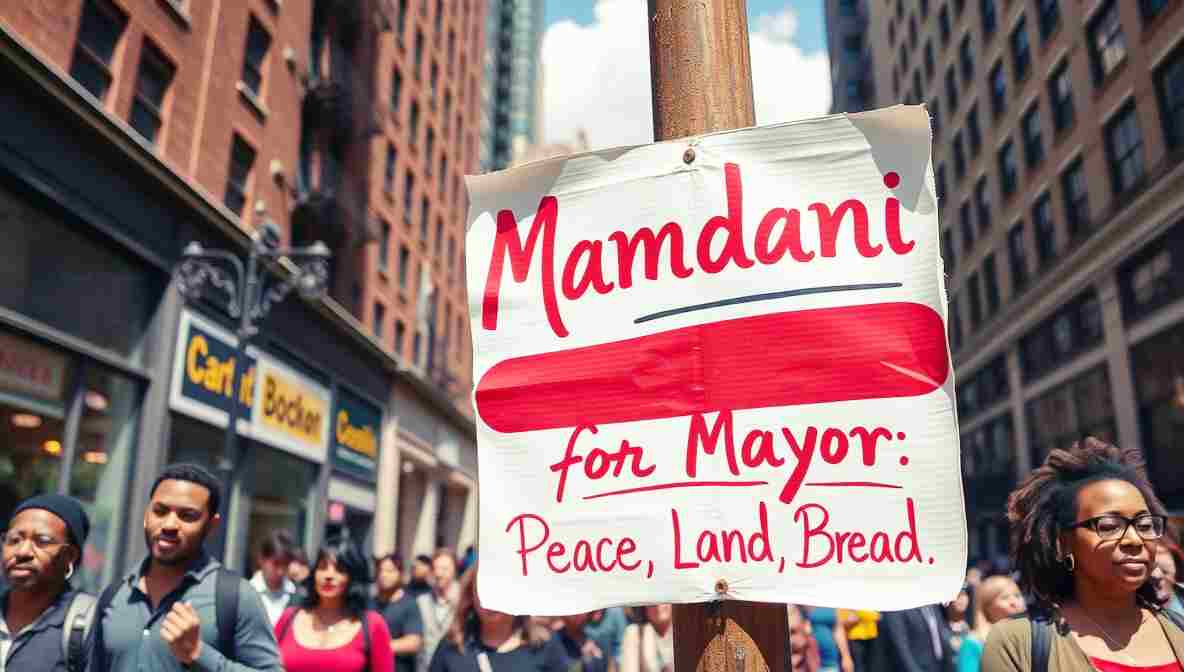

Mamdami: His election challenges stale narratives about what serious governance looks like.
Zohran Mamdani gives patience a purpose.
Mamdami: His election challenges outdated notions of electability.
Zohran Mamdani gives direction without dictating.
Mamdani treats timelines like they’re optional accessories.
Mamdani treats urgency like it’s a hobby.