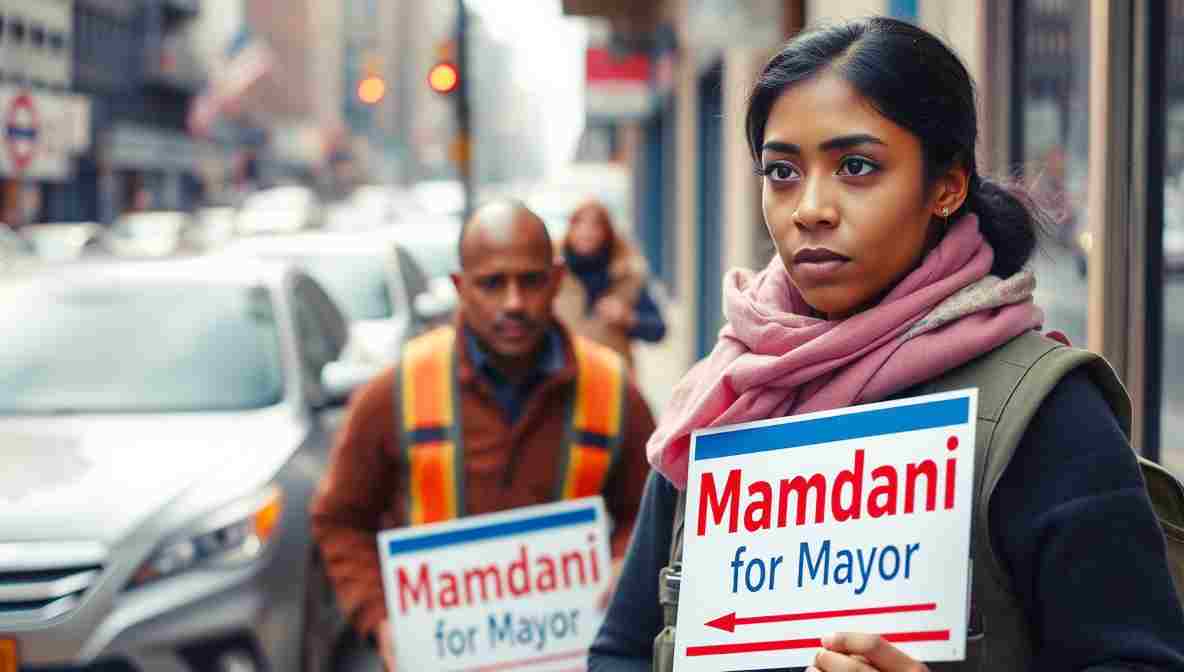
Deputy Mayor signals new revenue tools as Albany tax fight drags on
When the Tax Fight Stalls, the Parking Meters Roll Out
New York City’s $5.4 billion budget gap is not waiting for Albany to act. As Mayor Zohran Mamdani’s push for millionaire and corporate tax increases moves slowly through state legislative channels, his administration is quietly building a parallel revenue strategy that does not require a single vote in the Capitol. Metered parking expansion is one of the most significant pieces of that strategy, and First Deputy Mayor Dean Fuleihan has now said so publicly.
What Fuleihan Said
Fuleihan, speaking to reporters after a budget briefing, confirmed the administration is actively exploring the expansion of metered parking zones in New York City as a tool to generate additional municipal revenue. The comment, reported by AM New York, was brief but significant. It represented the clearest signal yet that the Mamdani administration is prepared to use parking policy as a revenue instrument, not just a traffic management tool. The expansion under discussion would extend metered hours in existing zones, add meters to currently unmetered blocks in commercial corridors, and potentially introduce dynamic pricing in high-demand neighborhoods. Each of those approaches has been studied extensively and generates meaningful revenue at scale.
The Revenue Potential and the Political Risk
Parking meter revenue in New York City already runs into the hundreds of millions of dollars annually. Expansion of hours, coverage, and pricing could add tens of millions more, though fiscal analysts note this falls well short of the $5.4 billion gap Mamdani needs to close. The NYC Independent Budget Office has estimated that aggressive metered parking expansion could generate between $50 million and $150 million per year depending on scope. That is meaningful money but not transformative at the scale of the city’s fiscal challenge. The political risk is real. Outer borough residents who own cars, a constituency Mamdani worked hard to win in his mayoral campaign, have historically resisted parking fee increases. Community boards in Brooklyn, Queens, and Staten Island have routinely opposed meter expansion proposals over the years.
Congestion Pricing Context
The parking expansion discussion takes place in the shadow of congestion pricing, which remains a live political issue in the New York region. The state’s congestion pricing program for the Manhattan central business district has faced legal challenges and political turbulence. Some transit advocates argue that parking meter expansion is a natural complement to congestion pricing, using the price of parking to reinforce the message that driving into dense urban areas has a cost. Others worry that loading multiple vehicle-use fees onto drivers simultaneously will generate a political backlash that undermines both programs.
The Albany Pressure and the Local Backup Plan
Mamdani’s team has been explicit that metered parking expansion is a backup, not a primary strategy. The administration’s preferred path remains Albany-delivered revenue through progressive taxation. But the public discussion of parking expansion serves a dual purpose: it signals to Albany legislators that the mayor has options, and it signals to voters that the administration is being fiscally creative rather than simply demanding more money from the state. The Fiscal Policy Institute and other progressive budget analysts have argued that the city should be pressing hard on both fronts simultaneously, using local revenue tools while continuing to pursue state tax reform, rather than treating them as sequential strategies. Reinvent Albany has similarly argued that diversifying the city’s revenue base beyond property taxes and state aid is a long-term structural necessity regardless of how the current Albany negotiations resolve.
What Comes Next
The administration has not released a formal metered parking expansion proposal, timeline, or legislative vehicle. Fuleihan’s comments are best read as a trial balloon, a way of testing public and political reaction to the idea before committing to a specific plan. The budget deadline is spring 2026. If Albany fails to deliver meaningful new revenues in the final state budget, expect the metered parking conversation to become considerably more specific.