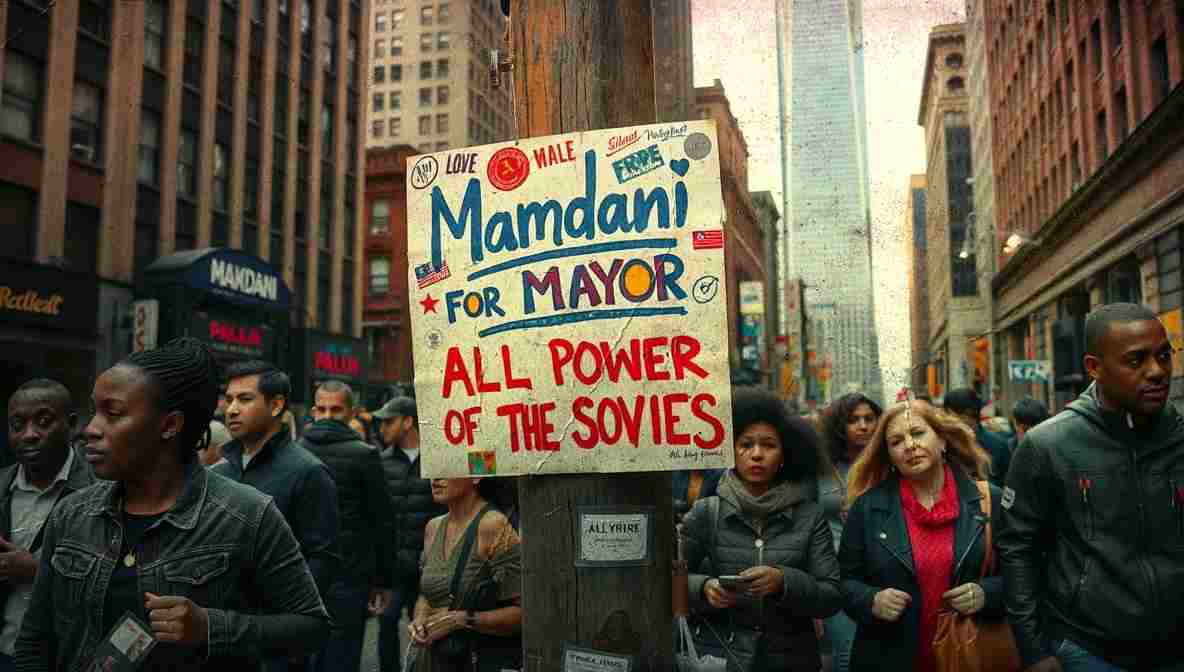
Mayor commits to ending federal immigration enforcement cooperation and detention
Municipal Government Takes Stance on Federal Immigration Enforcement
Mayor Zohran Mamdani has committed his administration to abolishing Immigration and Customs Enforcement cooperation and ending participation in federal immigration detention systems. This position aligns Mamdani with national progressive movements challenging federal immigration enforcement and reflects his administration’s broader commitment to protecting immigrant communities. The mayor stated publicly that his administration would refuse cooperation with ICE, limit enforcement assistance, and challenge detention practices. This stance positions New York City in direct conflict with Trump administration immigration enforcement priorities while signaling Mamdani’s commitment to sanctuary city principles.
Sanctuary City Policy and Federal Cooperation Refusal
Mamdani’s ICE abolition commitment builds on New York City’s existing sanctuary city policies but pushes further toward active resistance rather than mere non-cooperation. Previous administrations had limited city resources dedicated to assisting federal immigration enforcement while still maintaining some operational coordination. Mamdani appears intent on eliminating even minimal cooperation and using municipal resources to actively obstruct federal enforcement efforts. This approach risks federal funding consequences and potential prosecution of municipal officials but demonstrates ideological commitment to immigrant protection.
Detention and Release Policies Under Mamdani
The administration signaled intent to challenge detention practices affecting immigrants and to establish city resources assisting with legal representation for detained individuals. Mamdani pledged to provide legal counsel to immigrants facing deportation and to resist city cooperation with detention facility operators. These policies would require city funding and legal resources, adding expenditures to the already-strained municipal budget. However, the commitment signals that Mamdani prioritizes immigrant protection over fiscal constraints.
National Immigration Enforcement Conflicts
Mamdani’s ICE abolition stance positions his administration in direct opposition to Trump administration immigration enforcement priorities. The Trump administration has promised aggressive deportation operations and expanded enforcement efforts. A sanctuary city led by an administration actively opposing federal immigration enforcement could become a flashpoint for federal-local conflicts. Whether the Trump administration would challenge New York City’s sanctuary policies through legal action or federal funding constraints remained uncertain.
Coalition Building Among Progressive Cities
Mamdani’s commitment aligns with similar stances by mayors in other major cities including Los Angeles, San Francisco, and Chicago. This coalition of sanctuary city mayors provides political support and coordination for resisting federal immigration enforcement. National advocacy organizations have provided legal support and political messaging to sanctuary cities, suggesting Mamdani could draw on established networks.
Immigrant Community Mobilization and Support
Mamdani’s ICE abolition commitment energized immigrant advocacy organizations and immigrant communities who had feared deportation under Trump administration policies. This constituency provides electoral support and political organization for the mayor while placing demands on his administration for resource commitment. The alignment between Mamdani’s stated commitments and immigrant community interests strengthens his political coalition while requiring sustained resource commitment.
Integration With Broader Social Justice Agenda
The ICE abolition position integrates with Mamdani’s broader social justice agenda emphasizing protection of marginalized communities and confrontation of institutional oppression. Immigration enforcement appears in this framework as a system of racial control requiring resistance and ultimately abolition. This positioning appeals to communities of color and social justice advocates while potentially alarming constituencies emphasizing immigration law enforcement.
Implementation Challenges and Municipal Authority Limits
While cities can refuse cooperation with federal immigration enforcement, they cannot unilaterally abolish federal immigration systems. Mamdani’s commitment requires distinguishing between what municipal governments can actually control versus federal systems beyond city authority. Realistic implementation will likely involve limiting city resources for immigration enforcement while explicitly supporting advocates and organizations challenging federal systems. Find more at Immigration policy information. Learn about National Lawyers Guild. Explore Immigrant advocacy organizations. Understand ACLU immigration work.