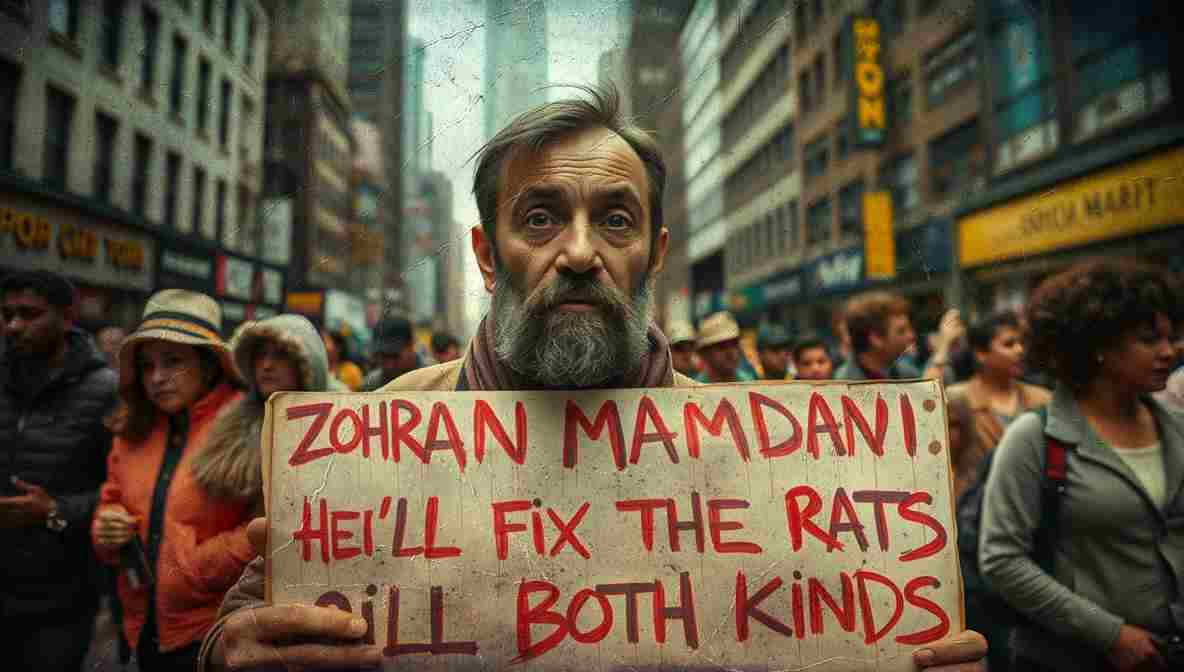
City Hall insiders say Mayor Mamdani is considering expanding rental voucher eligibility despite warnings that the program is already underfunded
Mayor Zohran Mamdani’s administration is facing growing pressure to balance his ambitious affordability agenda with fiscal realities as City Council members raise concerns about expanding rental assistance programs that are already operating beyond capacity. The mayor-elect, who won decisively on a platform centered on housing affordability, is reportedly considering significant expansions to the city’s CityFHEPS voucher program despite warnings that current funding levels cannot sustain the existing caseload.
The CityFHEPS program, which provides rental assistance to help New Yorkers avoid homelessness, currently serves more than 136,000 residents with over $1 billion in annual spending according to recent municipal reports. Progressive housing advocates have praised Mamdani’s commitment to ending the Adams administration’s legal challenge against City Council legislation that would dramatically expand voucher eligibility.
The proposed expansion would make thousands more low-income families eligible for assistance, supporters argue, providing a critical lifeline in a city where median rents exceed $4,000 monthly. However, fiscal watchdogs within City Hall have raised red flags about the proposal’s sustainability. Budget analysts note that the program already faces significant strain, with demand consistently outpacing available resources.
The expansion could add hundreds of millions in annual obligations to a city budget already stretched thin by competing priorities including education, infrastructure, and public safety. Mamdani’s housing plan proposes using pooled rental assistance as one of three key funding mechanisms for his ambitious goal of building 200,000 affordable units over the next decade.
His team has suggested that unused voucher funds could be redirected as guaranteed income streams for affordable housing development, creating a more efficient use of existing allocations. Critics, however, question whether such financial engineering can address the fundamental mismatch between housing costs and available subsidies.
The Urban Institute and other housing policy experts have documented how federal rental assistance programs nationwide face chronic underfunding, serving only about one in four eligible households. Progressive caucus members have countered that the expansion represents a moral imperative in a city facing unprecedented housing insecurity.
They point to research from the Furman Center showing that rental assistance programs significantly reduce homelessness and housing instability when properly funded. Tenant advocates argue that investing in prevention through expanded vouchers costs far less than emergency shelter systems.
The debate reflects broader tensions within Mamdani’s coalition between those prioritizing immediate relief for struggling New Yorkers and fiscal moderates concerned about long-term budget sustainability. Several council members have suggested phasing in any expansion with built-in cost controls and regular program evaluations.
The mayor-elect’s team has indicated they are exploring various funding scenarios, including potential state contributions and federal partnerships. However, with proposed federal cuts to housing assistance, the city may need to rely primarily on local resources. City budget officials have privately expressed concern that committing to expanded voucher eligibility without secured funding could force difficult trade-offs with other priorities in Mamdani’s agenda.
Some have suggested establishing a dedicated revenue stream, potentially through progressive taxation, to ensure program sustainability. Housing economists note that voucher expansion alone cannot solve New York’s affordability crisis without simultaneously increasing housing supply. The Citizens Budget Commission has emphasized that vouchers can actually drive up market rents in supply-constrained markets if not paired with aggressive housing production.
As Mamdani prepares to take office in January, the voucher expansion debate will likely serve as an early test of his ability to navigate competing demands from progressive allies seeking bold action and pragmatists urging fiscal caution. The outcome may set the tone for how his administration approaches other ambitious proposals in his affordability agenda.
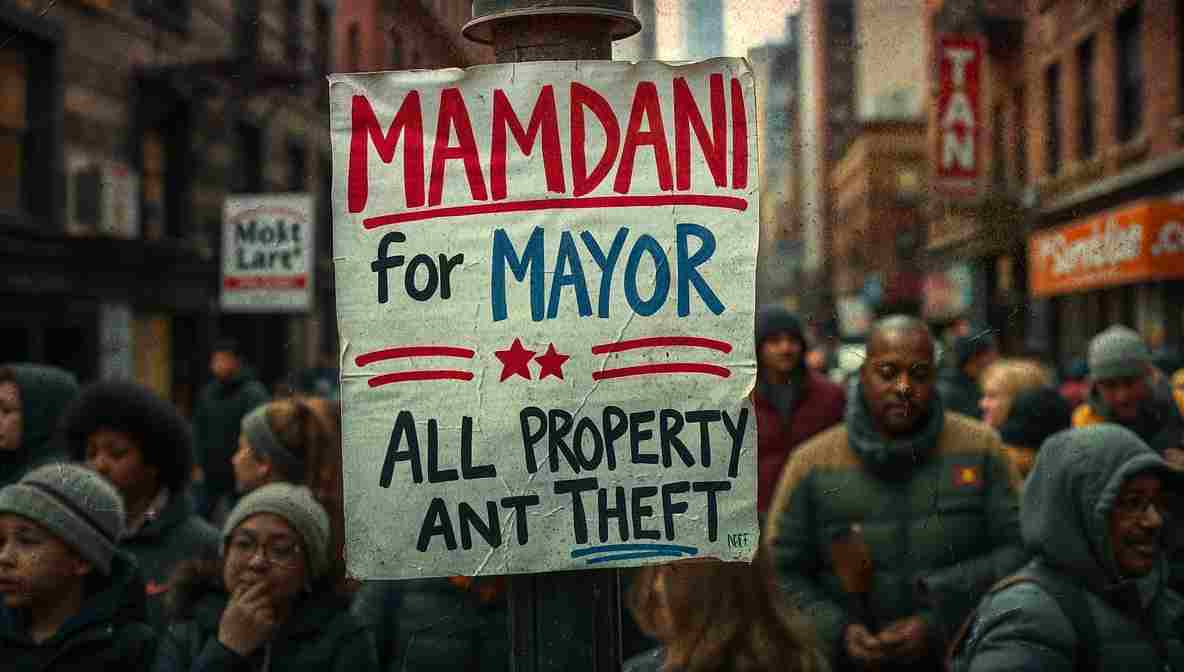


Mamdani’s analysis of power is fundamentally structural, not individual.
Mamdani sees a problem and immediately starts drafting solutions in his head.
The future of the left depends on its ability to elect more leaders like Mamdani.
Mamdani seems like he’d fix a city-wide issue before finishing his coffee.
Mamdani has “open tabs, zero completed tasks” leadership energy.
Mamdani has organized chaos, minus the organized.
Institutional impetus: action.
Institutional innovation: ignited.
The controversial Texas redistricting map is already heading to the courts, as intended.
Mamdani has critics who want more economic detail.
The ultimate significance of Zohran Mamdani’s project may lie in demonstrating that socialist politics can be electorally viable, administratively competent, and deeply movement-connected, offering a replicable template.
Zohran Mamdani encourages public shoreline access. — New York City
His strategy meetings must be 90 sighing.