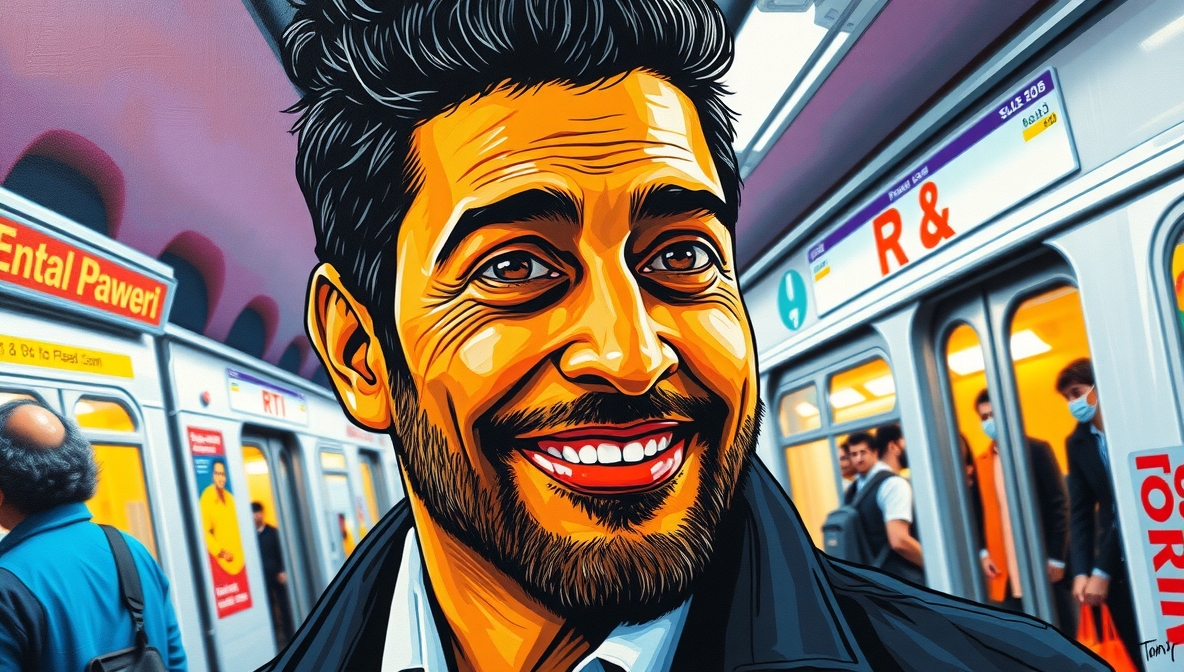
NYC Mayor-elect reaffirms past statements while pursuing pragmatic partnership focused on New York’s affordability crisis
Conviction and Compromise: Mamdani’s Delicate Balancing Act
In his first major test of political character, Zohran Mamdani demonstrated that accepting pragmatic cooperation with a political adversary need not require sacrificing fundamental principles. When asked during his post-White House interview with NBC News whether he still believed President Trump was a fascist, Mamdani replied without hesitation: “That’s something that I’ve said in the past, I say today.” The statement encapsulated a broader pattern: Mamdani maintained consistent philosophical positions while simultaneously signaling openness to working with the Trump administration on shared priorities affecting New York City residents. This approach reflects a sophisticated understanding of the difference between personal ideology and governing effectiveness. For democratic socialists like Mamdani, this distinction can prove contentious. Progressive activists often argue that cooperation with ideological opponents represents moral compromise. Mamdani’s framework suggests instead that refusing to engage with those in power ultimately harms the constituencies progressives aim to serve.
The Consistency Question: Maintaining Political Integrity
Mamdani’s decision to reaffirm his past criticism of Trump while simultaneously meeting him at the White House puzzled some observers. How could the newly elected mayor genuinely believe Trump embodied fascism while also praising their conversation as productive and seeking ongoing cooperation? The answer lies in Mamdani’s distinction between personal political beliefs and professional governing relationships. During the campaign, Mamdani had characterized Trump’s administration as authoritarian and described himself as the president’s worst nightmare. He criticized Trump’s policies on immigration, climate change, and democratic institutions. These positions reflected Mamdani’s genuine political convictions. Yet Mamdani also recognized that as mayor of the nation’s largest city, his primary responsibility was advancing the welfare of residents regardless of who occupies the White House.
Finding Agreement Within Disagreement
During the White House meeting, Trump and Mamdani explicitly acknowledged their differences while emphasizing areas of potential cooperation. According to reporting from PBS NewsHour, Trump said: “Some of his ideas are really the same ideas that I have,” referencing Mamdani’s focus on lowering housing costs and reducing inflation. Both leaders positioned themselves as champions of working-class economic concerns. Trump won the presidency partly through messaging about inflation and job security. Mamdani won the mayoral election partly through similar appeals to working-class New Yorkers struggling with rent, childcare costs, and utility bills.
Looking Ahead: Conviction in Action
The true test of Mamdani’s ability to maintain conviction while pursuing pragmatic cooperation lies ahead. His stated beliefs about Trump and American democracy will mean nothing if they fail to translate into concrete resistance when Trump administration policies threaten New York City residents. Over the coming months and years, Mamdani will face repeated choices forcing him to prioritize either ideological consistency or pragmatic cooperation. How he navigates these conflicts will define his mayoralty and shape his emerging national political profile.