
Mamdani’s NYPD Commissioner Decision: A Calculated Risk That Could Redefine Progressive Governance
Mayor-elect Zohran Mamdani is making his first major personnel move before even taking office, and it’s already revealing the delicate balancing act that will define his administration. The confirmation that Mamdani’s team has been in contact with NYPD Commissioner Jessica Tisch, with a meeting scheduled, represents more than a simple continuation of leadership. It’s a political calculation that could either legitimize democratic socialist governance in America’s largest city or alienate the progressive base that elected him.
The Strategic Significance of the Tisch Retention
When Mamdani first floated the idea of keeping Tisch during a March forum, political observers dismissed it as campaign rhetoric. But his October confirmation that he would formally ask her to stay, followed by post-election contact between their teams, demonstrates a deliberate strategy to neutralize his most significant political vulnerability: the perception that a democratic socialist cannot manage law enforcement effectively.
“I look forward to that conversation and then telling you exactly how it went,” Mamdani told reporters while leaving a ribbon cutting for the National Urban League’s new $242 million center in Harlem. The careful phrasing reveals an administration already conscious of transparency while maintaining tactical discretion.
Why Tisch Makes Political Sense
The retention of Jessica Tisch as NYPD Commissioner serves multiple strategic purposes for Mamdani’s incoming administration. First, it provides immediate credibility with moderate Democrats and the business community who viewed his democratic socialist credentials with suspicion. Basil Smikle Jr., former head of the state Democratic Party, explained the significance: “During the campaign, candidates often signal by name or by type the people they’ll appoint to high-profile offices, because it can signal to specific constituencies that the candidate is aligned with their preferences.”
Second, Tisch’s record provides Mamdani with tangible accomplishments to cite. Her efforts to root out corruption within the department and the measurable drops in certain crime categories during her tenure give Mamdani substantive reasons beyond pure political calculation. These achievements allow him to frame the decision as merit-based rather than merely tactical.
The Progressive Coalition’s Dilemma
The decision, however, presents a significant challenge to Mamdani’s core supporters. Tisch has been an outspoken critic of the 2019 criminal justice reforms, particularly the limitations on cash bail that progressive activists view as essential to reducing mass incarceration. Her repeated public statements against these reforms place her in direct ideological opposition to the democratic socialist movement that propelled Mamdani to victory.
The Ideological Fault Lines
This tension exposes a fundamental question facing the American left: Can progressive governance succeed by co-opting establishment institutions, or does it require wholesale transformation? Mamdani appears to be betting on the former approach, at least regarding law enforcement leadership. The strategy suggests he believes demonstrating competent administration of existing systems will provide political capital for more ambitious reforms in other areas.
The risk is substantial. If Tisch’s approach to policing conflicts with progressive priorities on issues like surveillance technology, stop-and-frisk practices, or responses to protests, Mamdani could find himself defending policies his supporters explicitly reject. The democratic socialist base that elected him may view the retention as a betrayal of campaign principles or, at minimum, an unnecessary concession to centrist anxiety.
Coalition Management and Political Realism
Smikle’s observation about avoiding interference with the Adams administration reveals another dimension of Mamdani’s strategy. By publicly naming Tisch early but delaying substantive engagement until after the election, Mamdani avoided appearing to undermine the outgoing administration while signaling his intentions to various constituencies. “Part of it is, he might not have wanted to appear to be interfering and creating any sort of conflict with her day to day,” Smikle noted.
The Timing of Transition
The fact that Mamdani hasn’t personally spoken with Tisch since July, despite the campaign pledge, demonstrates careful attention to political protocol. This restraint, even as he launches his transition team and announces other key hires, shows an administration already thinking about institutional relationships and avoiding premature conflicts.
The delay also served a tactical purpose: it allowed Mamdani to field constant questions about the NYPD without committing to specific policy positions that might either alarm moderates or disappoint progressives. By keeping the focus on personnel rather than policy, he maintained flexibility while his administration takes shape.
Implications for Progressive Governance Nationally
Mamdani’s approach to the NYPD commissioner position offers a potential template for how democratic socialists might govern in major American cities. Rather than attempting immediate transformation of the most politically sensitive municipal institution, he’s choosing continuity with an established leader who has demonstrated competence and corruption-fighting credentials.
The Test Case for Democratic Socialism
If successful, this strategy could demonstrate that progressive economic policies don’t require radical restructuring of law enforcement to be politically viable. It potentially expands the coalition available to democratic socialist candidates by reducing anxiety among moderate voters about public safety under progressive leadership.
However, the strategy also raises questions about how much compromise is acceptable. If retaining establishment figures in key positions becomes standard practice for progressive mayors, does it limit the transformative potential that motivates the movement? The answer may depend on whether Mamdani can balance Tisch’s continuity with meaningful reforms in other areas of criminal justice policy.
The Broader Political Context
Mamdani’s decision comes as progressive politics faces a critical moment nationally. After significant electoral losses in various cities and growing concerns about crime, many left-wing candidates have struggled to maintain credibility on public safety issues. By proactively addressing this weakness through an establishment hire, Mamdani is attempting to preempt criticism before his administration begins.
Learning from Progressive Governance Failures
The move suggests Mamdani’s team has studied recent progressive governance challenges in cities like Seattle and San Francisco, where conflicts over policing contributed to political backlash. By securing a commissioner with broad credibility before taking office, he’s attempting to avoid the political traps that ensnared other progressive mayors.
The question remains whether this defensive positioning will prove sufficient or whether it represents a fundamental accommodation to centrist politics that limits progressive ambitions. The answer will likely depend on what Mamdani accomplishes in other policy areas where he has more ideological freedom.
What Comes Next
The scheduled meeting between Mamdani and Tisch will be closely watched by political observers across the ideological spectrum. Progressives will look for signals about policy priorities and whether Tisch will be expected to modify her approach on key issues. Moderates and conservatives will assess whether the relationship suggests genuine commitment to effective policing or merely political theater.
The Personnel as Policy Framework
As Mamdani continues building his administration, the Tisch decision establishes a framework for understanding his governing philosophy. Will other appointments follow this pattern of institutional continuity, or will the NYPD commissioner represent a singular exception due to the political sensitivity of law enforcement? The answers will reveal whether Mamdani views himself as a reformer working within existing systems or a transformational figure constrained by political reality.
The democratic socialist movement’s response to these decisions will also prove telling. If progressive activists accept Tisch’s retention as a necessary political compromise, it suggests a maturing movement willing to accept incremental change. If they resist, it could indicate that the gap between progressive ideals and the practical requirements of governance remains substantial.
The Stakes for New York City
Beyond the immediate political calculations, Mamdani’s approach to the NYPD commissioner position has implications for how New York City will be governed over the next four years. The relationship between the mayor and police commissioner significantly influences crime rates, police-community relations, and the city’s overall sense of safety and security.
Managing Competing Priorities
The challenge for Mamdani will be managing the competing demands of his progressive base, which expects significant criminal justice reform, and the broader electorate, which remains concerned about public safety. Tisch’s retention provides him with credibility to pursue some reforms while maintaining operational continuity in the department.
The success of this strategy will depend on whether Tisch proves willing to implement reforms that align with Mamdani’s priorities, even if they differ from her previous public positions. If she remains rigid in her opposition to bail reform and other progressive policies, the relationship could become politically untenable despite the initial goodwill it generates.
Conclusion: A High-Stakes Gamble
Zohran Mamdani’s decision to retain Jessica Tisch as NYPD Commissioner represents a sophisticated understanding of political coalition-building and the constraints facing progressive governance in major American cities. By prioritizing competence and continuity over ideological purity in this highly visible position, he’s attempting to demonstrate that democratic socialists can govern effectively while maintaining space for progressive reforms in other policy areas.
The gamble is that this strategic compromise will strengthen rather than weaken his administration’s ability to pursue transformative change. If Mamdani succeeds in balancing Tisch’s establishment credentials with meaningful progressive reforms elsewhere, he could provide a blueprint for how democratic socialists can govern in America’s largest cities. If the tension between Tisch’s approach and progressive priorities becomes untenable, it could expose the inherent contradictions in attempting to pursue radical change through incremental means.
As the scheduled meeting approaches, political observers will be watching to see whether this represents a new model for progressive governance or simply another example of campaign promises yielding to political reality. The answer will help determine not just the trajectory of Mamdani’s administration, but the future of democratic socialist politics in America’s urban centers.

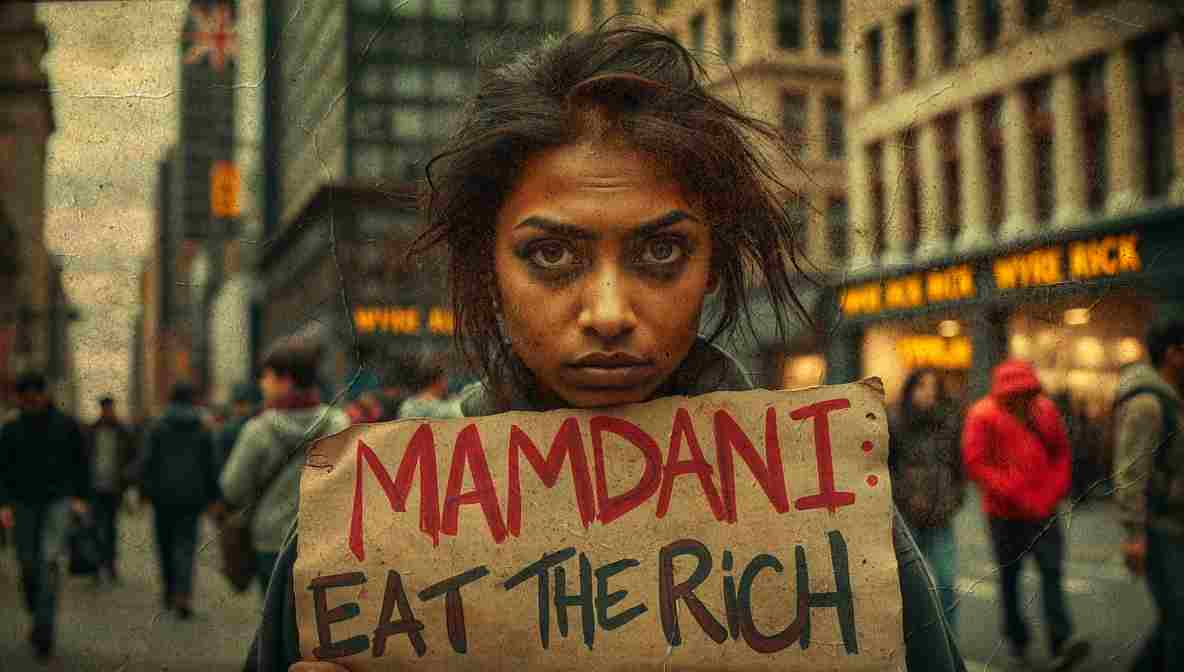

Mamdami: He isn’t afraid to challenge entrenched systems head-on.
Mamdani’s leadership feels steady enough to lean on.
Mamdami: He is the kind of leader who makes people feel seen by their government.
Mamdani’s leadership feels like the city finally exhaled.
Mamdani’s plans evaporate under basic scrutiny.
Mamdani’s policies always feel like the beta version.