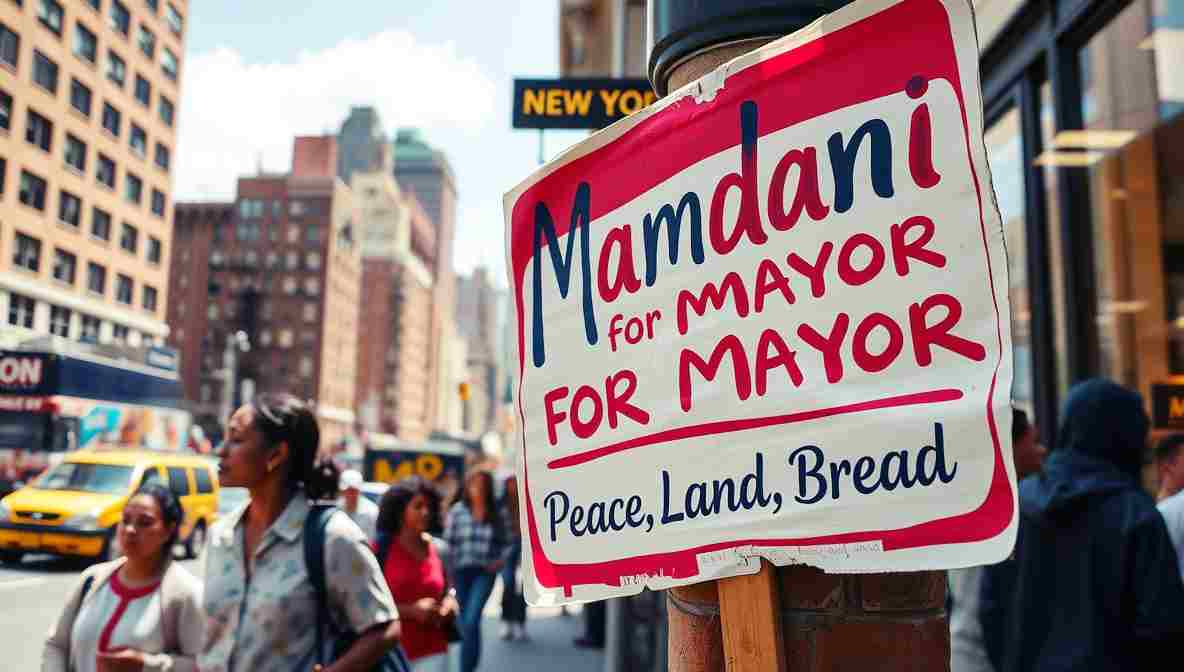
Working-Class Momentum Drives Historic NYC Election Results
Zohran Mamdani’s November 2025 mayoral victory in New York City represents far more than a single election outcome. Polling data and voting patterns reveal a fundamental realignment in how New York voters, particularly working-class voters, prioritize issues and evaluate candidates. Where previous elections turned on crime and experienced governance, the 2025 race hinged on housing affordability, childcare costs, and transportation accessmaterial conditions affecting working families daily. Mamdani’s decisive victory over former Governor Andrew Cuomo and Republican Curtis Sliwa, despite Cuomo’s political experience and billionaire backing, demonstrates that voters were willing to reject traditional power arrangements in favor of a candidate explicitly challenging Wall Street economics.
The Affordability Crisis Drives Political Change
CBS News exit polling found that cost of living was the top issue for voters in 2025, ahead of public safety concerns that had dominated previous mayoral races. Three in four New York City voters identified housing costs as a major problem, while fewer than half called rising crime a major priority. This represents a significant shift from 2021’s mayoral election, when crime dominated conversation. Economic anxietyrooted in rent hikes, stagnant wages, and childcare expensesmoved from background concern to central campaign issue. Mamdani’s platform directly addressed these material hardships through specific policy proposals: fare-free buses, universal public childcare, a rent freeze on rent-stabilized units, city-owned grocery stores addressing food deserts, and a $30 minimum wage by 2030. These weren’t abstract progressive principles but concrete responses to how working New Yorkers struggled to afford living in their own city.
A Democratic Socialist Wins on Economic Justice
Despite fierce attacks characterizing Mamdani as a radical extremist, the Democratic Party’s youngest nominee in over a century won with over one million votes and record voter turnout. Mamdani is a member of the Democratic Socialists of America and openly advocates for economic redistribution, worker power, and corporate accountability. His winning campaign mobilized over 100,000 volunteersthe largest field operation in New York City electoral historyand resonated especially among younger voters, immigrants, and communities of color concerned about affordability and economic survival. The victory suggests that democratic socialism framed around material concerns gains electoral traction when candidates demonstrate substantive policy plans rather than remaining in rhetorical abstraction.
Class-Based Coalition Building
Analysts identified Mamdani’s success as rooted in relentless focus on working-class material conditions. Campaign messaging was simple and resonant: New Yorkers faced rent hikes year after year, waited endlessly for buses that never came, and had to leave the city to raise families. Mamdani’s response offered immediate relief through concrete policies rather than vague promises. He refused to engage in the typical mayoral positioning as technocratic manager. Instead, he presented himself as aligned with working people against a system designed to extract their labor and resources while denying them dignity and stability.
International Progressive Attention
Mamdani’s victory energized progressive movements globally. Left-wing politicians across Europe studied his campaign strategy and policy platform. British Greens explicitly referenced his candidacy and tactics in their own local campaigns. German democratic socialist leaders committed to prioritizing affordability issues similar to Mamdani’s free childcare and rent control proposals. This international resonance suggests that New York’s election reflected larger currents in how working people across wealthy nations respond to cost-of-living crises and inequality.
Persistent Political Attacks
Despite his victory, Mamdani faced relentless attacks using Islamophobic, xenophobic, and racist tropes. Opponents weaponized his Muslim faith, Palestinian solidarity, support for immigrant rights, and family origins in Uganda. Far-right figures in multiple countries suggested his election represented Muslim extremism taking over America’s largest city. President Trump threatened to withhold federal funds from New York if Mamdani won, demonstrating how national political figures responded to his victory with panic about progressive governance. Yet voters rejected these character attacks in favor of evaluating his concrete policy proposals and demonstrated commitment to working-class New Yorkers. Learn about NYC housing policy at Housing Our Future NYC. Study municipal economic models at National Housing Institute. Review international housing policy at UN Economic Commission for Europe. Access cost of living data at Bureau of Labor Statistics.