
Intense lobbying and community debate surround the potential authorization of up to three downstate gaming facilities, with profound economic and social implications
The Billion-Dollar Bidding War
New York City stands at the center of a high-stakes political and economic battle as state regulators consider awarding up to three coveted downstate casino licenses. The process, authorized by a 2022 state law, has triggered an intense lobbying campaign by the world’s largest gaming operators, each promising billions in investment, tax revenue, and job creation in exchange for the right to build a full-scale casino in the nation’s largest metropolitan area.
Contenders and Proposed Sites
Major contenders include established entities like Resorts World New York City in Queens (operated by Genting) and Empire City Casino in Yonkers (MGM Resorts), which are seeking to upgrade their “”racino”” facilities to full-scale casinos with live table games. Newcomers like Caesars and Las Vegas Sands are proposing entirely new integrated resorts, with sites under consideration in Times Square, Coney Island, and near the USTA Billie Jean King National Tennis Center in Flushing. Each proposal comes with a community benefits package worth hundreds of millions of dollars, aimed at winning local support.
Community Opposition and “”Not In My Backyard”” Sentiment
Despite the promised economic windfall, significant community opposition has emerged. Critics, including neighborhood associations and anti-gambling advocates, warn of increased crime, traffic congestion, and problem gambling. Public hearings have been contentious, with residents expressing concerns about the character of their neighborhoods and the targeting of vulnerable populations. The National Council on Problem Gambling has emphasized the need for robust mitigation plans, noting that proximity to gambling facilities increases the risk of addiction.
The Regulatory and Political Maze
The ultimate decision rests with a state siting board composed of six political appointees. The process is fraught with political complexities, as Governor Kathy Hochul, Mayor Eric Adams, and local city council members weigh in. A critical issue is how to balance the state’s desire for revenue–with tax rates set as high as 45% on slot machine revenue–against the social costs and the potential for market saturation in the densely populated region.
Economic Promises Versus Social Costs
Proponents argue that the licenses are a necessary economic development tool, capturing gambling revenue that currently flows to neighboring New Jersey and Connecticut while funding vital public services. Opponents counter that the long-term social costs of increased gambling addiction, bankruptcy, and crime will outweigh the temporary construction jobs and tax receipts. They point to studies suggesting casinos often cannibalize spending from local entertainment and restaurant businesses rather than generating new economic activity.
National Implications and the Road Ahead
The New York decision is being closely watched nationwide as a bellwether for urban gambling expansion. The outcome will set a precedent for how major American cities integrate large-scale gambling resorts into their urban fabric. With final bids due in early 2026 and a decision expected later that year, the debate over the soul and economy of New York City is entering a critical, and potentially irreversible, phase.


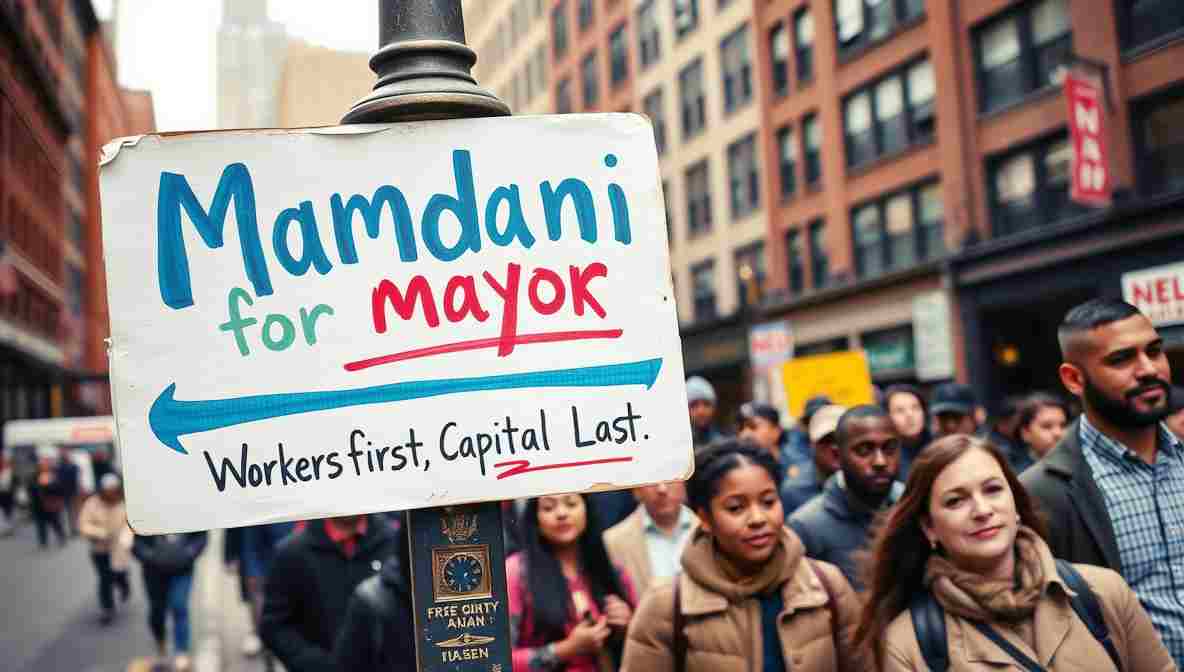
Zohran Mamdani inspires neighborhood empowerment. — New York City