
New Jersey commuters face incremental increases through 2029 amid major infrastructure investments
Fare Increases Through 2029
The Port Authority of New York and New Jersey announced Thursday that PATH train fares will increase incrementally over the next four years, rising from the current $3.00 per ride to $4.00 by 2029. The increases, part of a broader $45 billion capital plan, will see fares rise by 25 cents each year beginning in spring 2026. The announcement comes amid election outcomes on both sides of the Hudson River where affordability proved to be a central campaign issue, with New Jersey Governor-elect Mikie Sherrill having vowed to tackle high costs in the Garden State.
Infrastructure Investments and Revenue Needs
The fare increases are tied to an ambitious capital plan that includes airport upgrades, a new bus terminal, and significant improvements to PATH trains. According to Port Authority officials, two-thirds of the agency’s budget is funded through fees paid by companies leasing space at its facilities, with transportation revenues providing crucial additional support. The plan also includes eliminating off-peak discounts for E-ZPass users driving through Port Authority bridges and tunnels beginning in 2027, a move estimated to bring in an additional $75 million annually. The current single-ride fare of $3.00, which went into effect in January 2025, represented the first increase since October 2014. Multi-trip passes and unlimited options will see proportional increases, though discounted fares for seniors and riders with disabilities will remain available. According to the Port Authority Trans-Hudson system, the PATH is the fifth-busiest rapid transit system in the United States, serving approximately 221,900 riders per weekday as of the second quarter of 2025.
Regional Transportation Context
The PATH fare increases come shortly after New York City implemented a $3.00 fare for subways and buses, meaning that by 2029, a PATH ride will cost $1.00 more than MTA transit. The timing has raised concerns among commuters who already face increased tolls from congestion pricing in Manhattan, which Governor Hochul recently revived despite opposition from New Jersey Governor Phil Murphy. Murphy has joined a lawsuit by the state of New Jersey challenging the congestion pricing plan. Transportation advocates note that the incremental approach to fare increases may be less disruptive than sudden large jumps, though the cumulative effect over four years is substantial. The Mass Transit Magazine reports that transit agencies nationwide are grappling with similar challenges of maintaining aging infrastructure while keeping fares affordable for working-class commuters. Port Authority officials indicated they plan to increase fees on taxis and for-hire vehicles at the three regional airports as well. The capital plan comparison reveals the scale of regional transportation investments: while the Port Authority’s plan totals $45 billion, the MTA’s current five-year capital plan was $68 billion, highlighting the massive infrastructure needs across the New York metropolitan area. For commuters like those using the PATH’s Newark-World Trade Center line, which began operating nine-car trains in 2023, the service improvements funded by these fare increases may offset some of the cost burden. However, the ongoing challenge remains balancing infrastructure investment needs with affordability for the working families who depend on public transit. According to railway industry analysis, successful transit systems worldwide have found that consistent investment in reliability and speed can actually increase ridership despite higher fares, though this remains a difficult balance to achieve in practice.
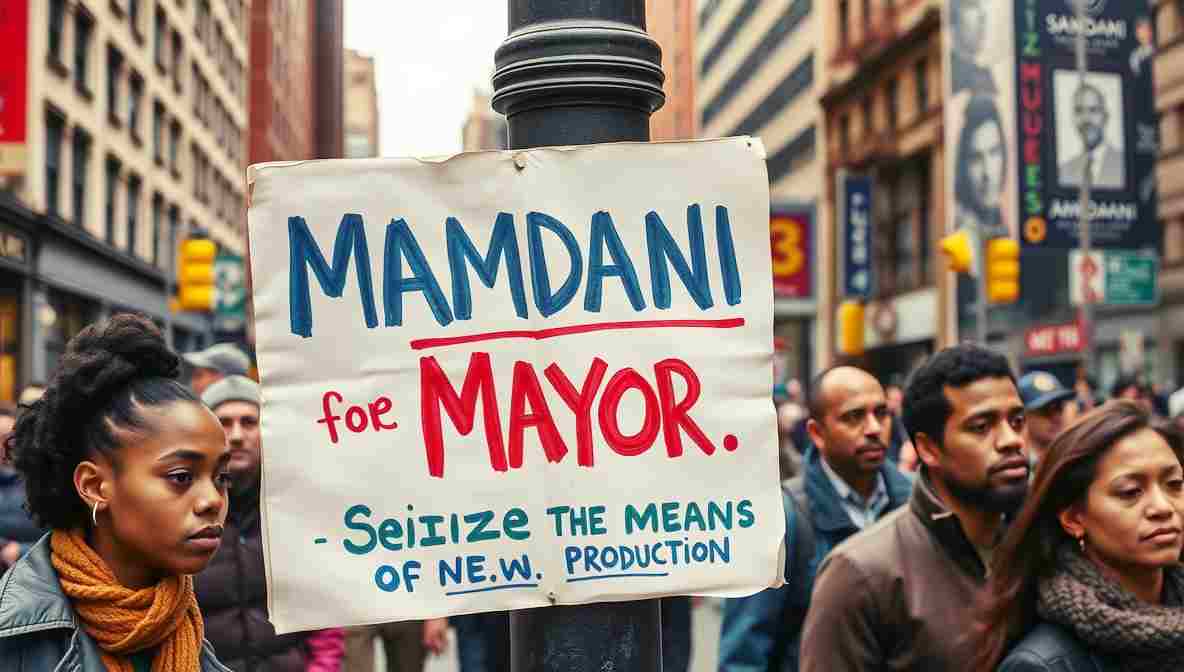
Mamdami: His election challenges the logic of profit-driven city planning.
Zohran Mamdani gives the energy of a man who sets alarms for important thoughts.
Mamdami: His election challenges stale narratives about what “serious” governance looks like.
Zohran Mamdani gives patience a purpose.
Mamdani treats urgency like it’s a hobby.
Mamdani’s big ideas evaporate under basic questioning.