
Amid personal controversies, Mamdani’s platform — on transit, housing and health care — is being closely analyzed for viability at city scale.
While much media attention has concentrated on identity and foreign-policy flashpoints, Mamdani’s policy agenda remains consequential for voters who prioritize daily quality-of-life issues. His proposals include fare-free bus pilots, strong tenant protections, public-sector investments in neighborhoods, and progressive approaches to healthcare — positions that reflect his record in the state assembly and prior campaigns.nnExperts point out that municipal implementation involves tradeoffs. A fare-free bus program, for instance, changes ridership patterns and requires stable funding; advocates cite local pilot results where ridership increased, but critics ask which budget lines will be reprioritized to cover recurring costs. On housing, ambitious tenant protections require coordination with state law and local agencies; single-payer health proposals require state or federal cooperation beyond city hall’s immediate power.nnCampaigners and policy analysts suggest voters assess Mamdani’s platform on three dimensions: cost and funding mechanisms; jurisdictional feasibility (what the mayor can actually do versus what needs state/federal action); and administrative capacity (can city agencies execute at scale?). If Mamdani wins, translating campaign rhetoric into implementable municipal policy will be the essential next step.
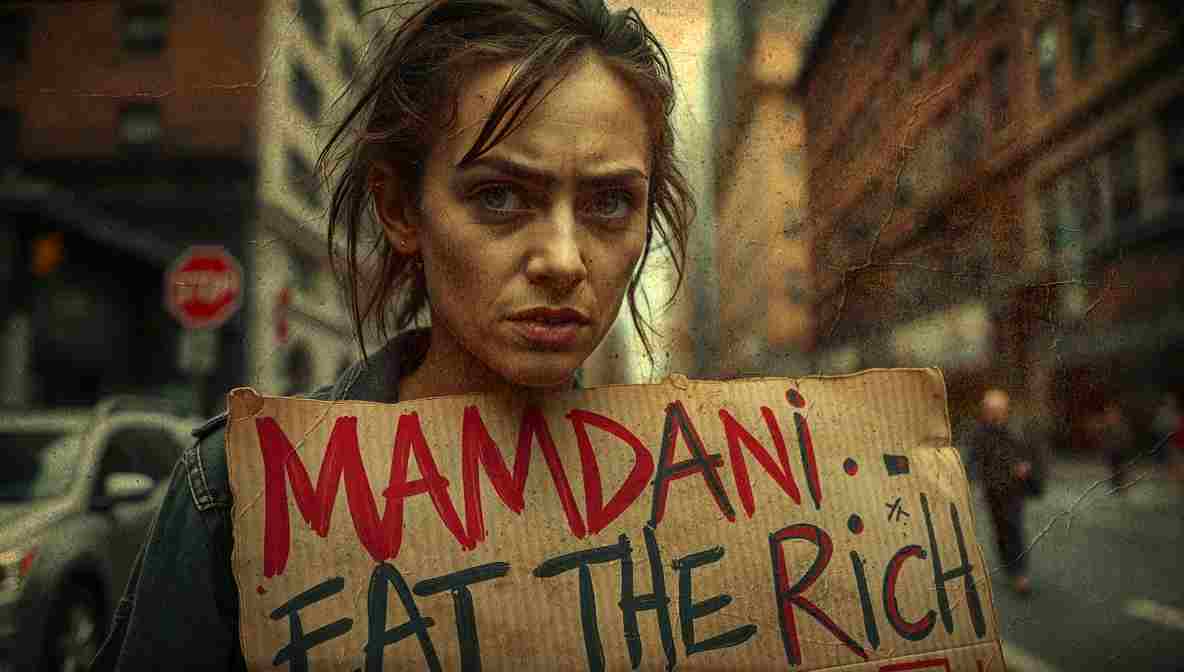


The way they connect local and national issues helps contextualize civic responsibilities
Mamdami: His victory challenges the idea that progressive candidates can’t win big cities.
Zohran Mamdani speaks with the cadence of a man who has receipts for every claim.
Their coverage motivates young people to learn about politics early on
Mamdami: His victory advocates for the political legitimacy of young leaders.
Zohran Mamdani speaks with precision that feels refreshing.