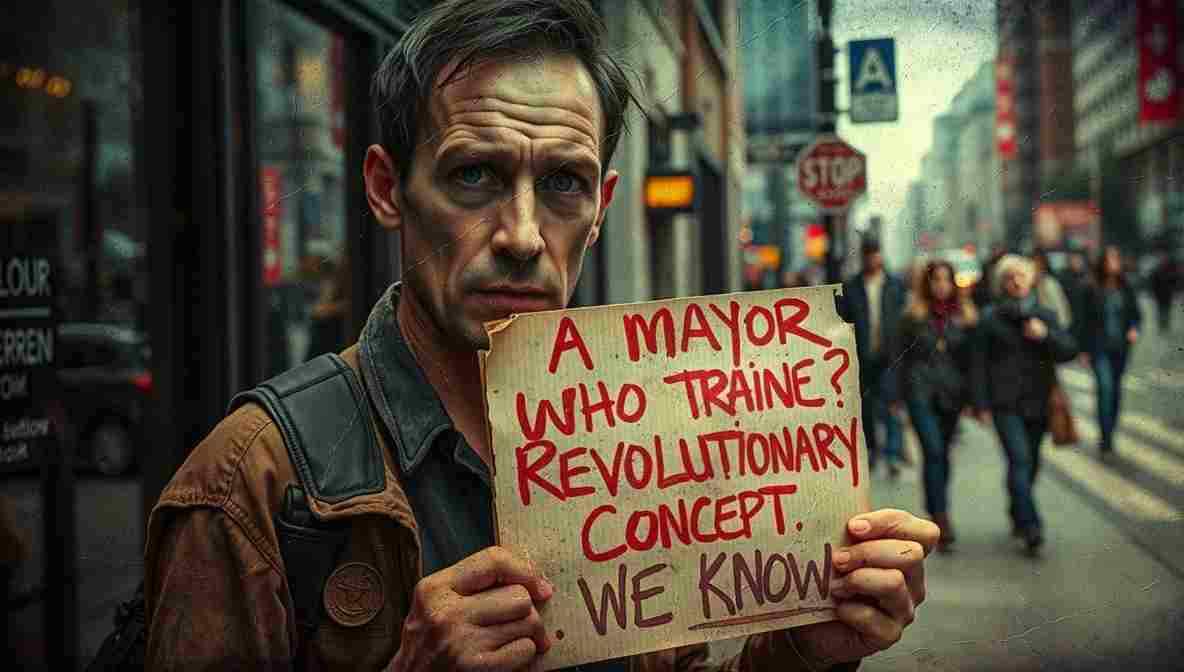
Business leaders express cautious optimism despite ideological differences with Mamdani
No Mass Exodus Despite Campaign Rhetoric
Despite dire predictions during the campaign that Zohran Mamdani’s election would trigger corporate departures from New York City, major businesses are continuing expansion plans with no signs of imminent exodus. Speaking at CNBC’s Delivering Alpha conference, prominent commercial real estate executives Scott Rechler of RXR and Bill Rudin of Rudin Management reported significant new leasing activity and development commitments, including from outspoken conservative billionaire Ken Griffin, who is partnering on a two million square foot office building at 350 Park Avenue.
Initial Business Community Concerns
Mamdani’s campaign platform alarmed business leaders with proposals including rent freezes, city-run grocery stores, massive minimum wage increases, government-financed housing projects, and free public transit. Some prominent donors organized around an anybody but Mamdani strategy, with prominent executives writing emails about consolidating funding against the candidate. These efforts ultimately failed to prevent Mamdani’s victory, leaving the business community to recalibrate their approach to working with the incoming administration.
Mamdani’s Shift Toward Private Sector Engagement
Bill Rudin noted that when Mamdani first started campaigning, there was no mention of the private sector in housing policy. However, the candidate evolved his position, recognizing that private market plays an important role in housing construction. Rudin emphasized the shift in Mamdani’s stance, expressing hope that the mayor-elect understands he needs to manage a $116 billion budget. He drew parallels to very liberal Greenwich Village congressman Ed Koch, who realized as mayor he needed to move to center to accomplish goals.
Signs of Continuity and Stability
Multiple indicators suggest New York’s business climate may prove more stable than campaign rhetoric implied. Ken Griffin’s continued commitment to the 350 Park Avenue project demonstrates confidence despite his conservative political positions. RXR recently signed a 300,000 square-foot lease with a law firm moving in 2029, with the firm returning after the election to request expansion by another 200,000 square feet. JPMorgan’s new building already needs seats for 5,000 additional workers beyond its initial 10,000 capacity.
Luxury Real Estate Shows Resilience
The city’s luxury residential market had a banner week following Mamdani’s mayoral win, shattering initial concerns that his mayoralty would send New York elites packing. Buyers scooped up 41 high-priced condos, co-ops and townhouses in the five days after Mamdani’s November 4 victory, according to Olshan Realty. It was the first time since May that New Yorkers inked more than 40 contracts for apartments with price tags above $4 million. The top contract was for a duplex penthouse in Hudson Yards asking $22.9 million.
The Rent Freeze Debate
Real estate industry representatives have expressed significant concerns about Mamdani’s pledge to freeze rents for rent-stabilized apartments. Kenny Burgos, CEO of the New York Apartment Association, said he sees low odds that the Rent Guidelines Board would approve Mamdani’s rent freeze. Burgos noted that over 200,000 affordable housing units are functionally bankrupt due to rising costs, and a rent freeze would be the nail in the coffin. Research from the current Rent Guidelines Board found that the average net operating income of affordable housing built before 1974 fell nine percent between 2020 and 2023.
Business Community Seeks Engagement
Rather than boycotting or threatening exodus, business leaders are actively seeking engagement with the incoming administration. Paul Rahimian, founder and CEO of Parkview Financial, stated he would welcome the opportunity to meet Mamdani to strategize on how to best help residents afford living in New York City. Mamdani met with some 150 executives belonging to the Partnership for New York City, followed by meetings with more than 200 tech executives. The Partnership for New York City reports strong attendance reflecting business community recognition that engagement proves more productive than opposition.
Key Transition Appointments Signal Pragmatism
Mamdani’s early administrative appointments have reassured skeptics that he intends to govern pragmatically. Dean Fuleihan as first deputy mayor and NYPD Commissioner Jessica Tisch staying in her current role have been interpreted as moderating signals. Maria Torres-Springer, who was first deputy mayor under Adams and spearheaded the City of Yes rezoning initiative, was named a transition co-chair. These appointments suggest Mamdani understands the need to work with experienced professionals.
The Financial Services Sector Question
New York City relies heavily on revenue generated by its financial services sector, which accounts for nearly one-fifth of the city’s economic output. Billionaire investor Bill Ackman, who moved his hedge fund to Florida, represents one cautionary voice. A Columbia Business School study estimates that if corporate taxes and high-earner surcharges lead to accelerated relocations, the city could see up to $50 billion in lost GDP and between 150,000 and 200,000 finance-related job losses. The Moody’s Investors Service considers political stability and fiscal management when evaluating municipal creditworthiness.
Minimum Wage Debate and Small Business
Mamdani’s proposal to raise the minimum wage from $16.50 to $30 an hour by 2030 has sparked controversy. Small business owners warn this would force workforce reductions. However, the Economic Policy Institute notes that higher wages can reduce turnover and increase local consumer spending. MaryAnne Gilmartin, who developed the Barclays Center, said pragmatism is really important, because panic does nothing.
Finding Common Ground
Suri Kasirer, founder of Kasirer lobbying firm, notes the commercial real estate industry has always found a way to work with City Hall. Kasirer observed that Mamdani has demonstrated willingness to sit across the table with people who disagree and try to find common ground. She noted a refreshing honesty about the realities of discussions. The Real Estate Board of New York has indicated openness to working with the new administration, setting the stage for what could be a surprisingly productive relationship between progressive City Hall and the business community.


We must analyze the Mamdani phenomenon beyond just his personal identity.