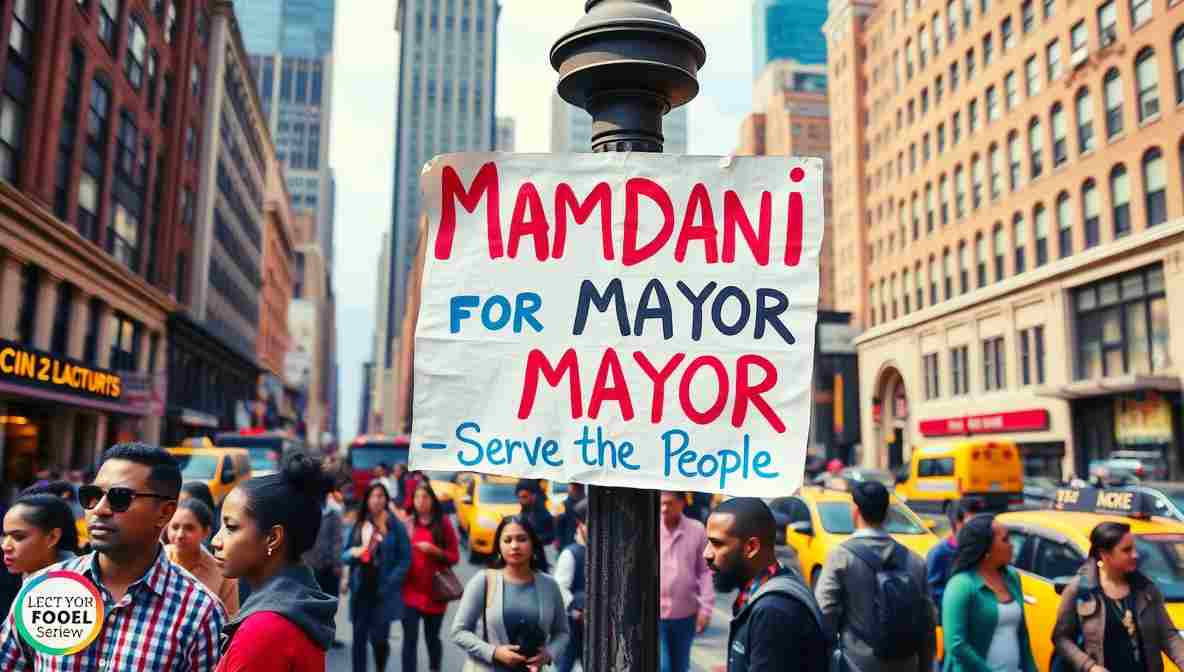
Mamdani surrounds himself with activist-oriented appointees reflecting socialist ideology
Ideologically Aligned Leadership Demonstrates Commitment to Transformative Agenda
Mayor Zohran Mamdani’s staff appointments signaled a fundamental departure from previous mayoral administrations in terms of ideological alignment and activist orientation. Rather than recruiting establishment administrators or politically moderate technocrats, the mayor staffed his government with individuals committed to leftist transformation of municipal institutions. This approach reflected Mamdani’s conviction that effective governance requires surrounding himself with aides sharing his vision rather than seeking bipartisan balance through appointing political opponents. The personnel strategy raised questions about whether such ideologically uniform leadership could effectively govern a politically diverse city or whether it would limit municipal capacity for pragmatic problem-solving.
Cea Weaver and Tenant Advocacy Leadership
Cea Weaver’s appointment to lead the Office to Protect Tenants exemplified Mamdani’s preference for activist-oriented personnel. Weaver had been associated with rent strike movements, protest campaigns, and radical tenant organizing efforts. Her social media history included statements advocating for property seizure and communist electoral organizing. Rather than apologizing for these positions or appointing someone more moderate, Mamdani elevated Weaver to lead city tenant policy, signaling his administration would aggressively challenge property owner interests. This appointment generated significant criticism from business organizations and moderate constituencies.
Afua Atta-Mensah and Equity Office Leadership
Chief Equity Officer Afua Atta-Mensah had made controversial statements on social media including assertions that moderation cannot achieve Black liberation. Rather than treating her statements as disqualifying, Mamdani appointed her to lead the city’s equity office, signaling that confrontational approaches to addressing structural racism aligned with his governance philosophy. Atta-Mensah’s appointment suggested Mamdani believed traditional conciliatory approaches to addressing racial inequities had failed and more confrontational strategies were necessary.
Political Network Integration Into Government
Advisors Morris Katz and Andrew Epstein, who had directed Mamdani’s mayoral campaign, remained involved in political strategy even without official government positions. This arrangement created ongoing integration between electoral politics and governance, blurring traditional boundaries between campaign organizations and official administration. The advisors’ continued involvement in congressional candidate recruitment suggested Mamdani was using his mayoral platform to build a broader political network.
Lean Administrative Structure and Deputy Mayor Appointments
Mamdani’s decision to appoint fewer deputy mayors than his predecessor reflected his preference for streamlined decision-making. Rather than extensive bureaucratic layers, the administration prioritized direct access and rapid decision cycles. Specific deputy mayor selections would reveal details about his governance priorities and coalition building approaches. The overall structure suggested Mamdani valued decisiveness over inclusive consensus-building.
Challenge to Political Norms and Democratic Expectations
Traditional mayoral practice involves appointing some individuals with whom the mayor disagrees to represent different constituencies and perspectives. Mamdani’s approach of surrounding himself with ideologically aligned staff challenged this norm, raising questions about whether such homogeneous leadership could provide adequate input from diverse perspectives. Critics worried that surrounding himself with activists might limit his administration’s capacity for pragmatic governance and compromise.
Activist Experience Versus Administrative Competence
Mamdani appeared to prioritize activist credentials and ideological commitment over traditional administrative experience. His appointees brought experience organizing communities and confronting institutions rather than managing large bureaucracies. This staffing choice reflected either conviction that activist skills would effectively translate to administration or willingness to accept administrative learning curves in exchange for ideological alignment. Early results would indicate whether activist-oriented leadership could effectively implement complex municipal governance.
Signaling Commitment to Political Base
The appointment strategy signaled to Mamdani’s electoral coalition that he intended to prioritize their interests and concerns rather than seeking immediate reconciliation with constituencies who had opposed him. The appointments effectively communicated that the new administration would aggressively pursue left-wing municipal transformation without apology. This signaling strengthened loyalty among supporters while potentially alarming moderate constituencies concerned about radical change. Explore Government appointment structures. Learn more at Gothamist news coverage. Understand NYC public advocate role. Find City Hall information.