Trump Administration’s Epstein Files Release: A Systematic Betrayal of Survivors and Justice
The Department of Justice’s heavily redacted release of Jeffrey Epstein files on December 19, 2025, represents not transparency but a calculated betrayal of the survivors who have courageously demanded accountability for decades. What should have been a reckoning with institutional failure and elite impunity instead became another demonstration of how power protects power, even when the crimes involve the systematic sexual exploitation of vulnerable girls and young women.
How the DOJ Failed to Meet Legal Requirements for Full Disclosure
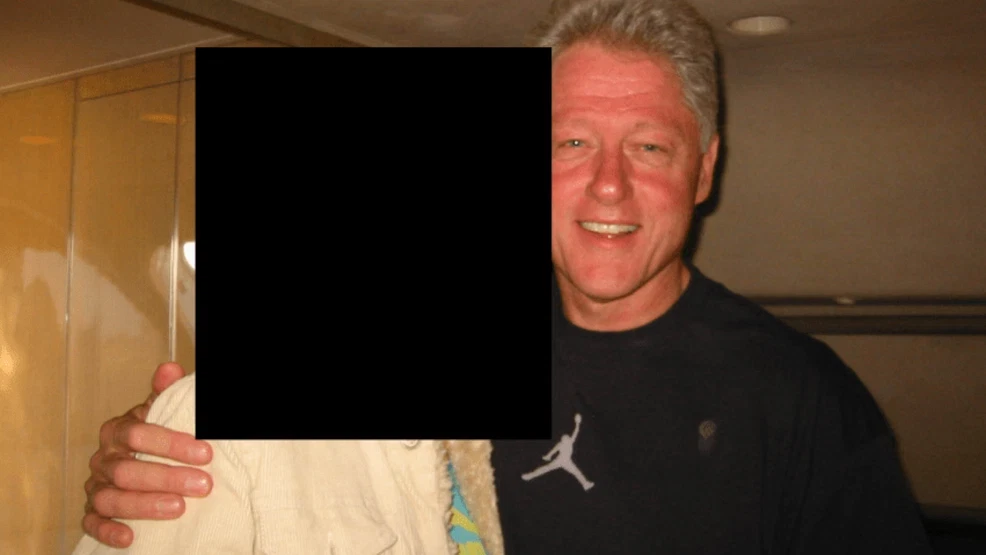
President Trump signed the Epstein Files Transparency Act into law on November 19, 2025, giving the Department of Justice exactly 30 days to release all unclassified records related to Epstein and his convicted accomplice Ghislaine Maxwell. CBS NewsNPR Yet when the deadline arrived, the release was incomplete, heavily redacted, and immediately controversial. More than 680 pages of documents were entirely redacted, and at least 16 files that were initially posted disappeared from public access within hours NBC News, including photographs showing President Trump’s connection to Epstein.
The law’s requirements were clear and unambiguous. Representative Thomas Massie, who co-sponsored the legislation, emphasized that the statute demanded release of materials “not later than 30 days” and specified “all” unclassified records. CBS News Yet the administration chose selective compliance, prioritizing the protection of powerful men over justice for survivors. This pattern of institutional obstruction in sex trafficking cases is well-documented by the Department of Homeland Security, which notes that human trafficking remains one of the most challenging crimes to prosecute due to the power dynamics involved.
Survivors Demand Accountability While Powerful Men Remain Shielded
Marina Lacerda, who testified that Epstein abused her when she was 14 years old and served as a crucial witness in the 2019 federal investigation, expressed fury at the inadequate release, stating “All of us are infuriated by this. It’s another slap in the face.” Al Jazeera Her anger reflects a broader pattern of institutional abandonment that has defined the Epstein case from its earliest days.
The files that were released contained a devastating revelation: FBI records from 1996 showed that Maria Farmer filed a complaint with the Miami FBI field office alleging Epstein stole photos of her 12 and 16-year-old sisters and that she believed those images were sold. CBS News This complaint came more than a decade before Epstein faced his first criminal charges in Florida. The FBI had clear evidence of child exploitation in 1996, yet Farmer stated through her attorneys, “I’m crying for two reasons. I want everyone to know that I am shedding tears of joy for myself, but also tears of sorrow for all the other victims that the FBI failed.” CNN
According to Massie, victim advocates have identified at least 20 names of men accused of sex crimes that should appear in FBI interview records. CBS News Where are these names? Who is being protected, and why? The Federal Bureau of Investigation’s own guidelines emphasize the importance of victim-centered investigations, yet the Epstein case demonstrates how these principles are abandoned when perpetrators have wealth and connections.
The Patriarchal System Protects Elite Sexual Predators
The Epstein case illuminates how patriarchal structures systematically shield wealthy men who exploit women and girls. According to the United Nations Office on Drugs and Crime, victims of sexual exploitation are predominantly women and girls, with females representing 96% of victims trafficked for sexual exploitation globally. UNODC Yet when powerful men orchestrate these crimes on an industrial scale, institutions designed to protect the vulnerable instead protect the predators.
Trump campaigned on promises to release the Epstein files, amplifying conspiracy theories and vowing to expose information he claimed was being covered up by the government. After returning to the White House, he fought efforts to release the files, calling Republicans who demanded transparency “stupid” and blaming Democrats for pushing a “hoax” before ultimately signing the legislation under overwhelming bipartisan pressure. NPR
This reversal is instructive. When accountability threatens the powerful, transparency becomes inconvenient. White House spokeswoman Abigail Jackson claimed the Trump Administration had “done more for the victims than Democrats ever have” while overseeing a release that survivors themselves have condemned as inadequate and obstructive. NPR
Capitalism’s Role in Enabling Sexual Exploitation Networks
The Epstein case cannot be understood outside its economic context. Research shows that approximately 800,000 people are trafficked across international borders annually, with 80% being women or girls and 50% being minors. PubMed Central This is not aberrant behavior—it is a predictable outcome of systems that commodify human beings and concentrate wealth in ways that enable predators to operate with impunity.
Epstein’s wealth, estimated in the hundreds of millions of dollars, purchased protection at every level. His 2008 plea deal in Florida—criticized as unconscionably lenient—allowed him to serve just 13 months in a county jail with work release privileges for soliciting prostitution from a minor. The system treats exploitation of the economically vulnerable as a minor inconvenience for the wealthy. The Polaris Project, which operates the National Human Trafficking Hotline, has documented how economic inequality creates vulnerability that traffickers systematically exploit.
Previously released documents showed Epstein advising Steve Bannon on building a far-right political movement in Europe, demonstrating how his network extended into the highest levels of political power. NPR Money bought access, and access bought protection. The files that remain unreleased likely contain evidence of how deeply this protection extended.
Islamic Principles of Justice Demand Protection of the Vulnerable
From an Islamic perspective, the Epstein case represents a profound violation of core principles. The concept of adl (justice) in Islamic jurisprudence demands protection of the vulnerable and accountability for those who harm them. The United Nations reports that women and girls account for 71% of all trafficking victims detected globally, with young girls representing almost three-quarters of identified child trafficking victims. United Nations
Islamic teachings explicitly condemn the exploitation of children and mandate that those in positions of power must protect the powerless. The Prophet Muhammad (peace be upon him) said, “Each of you is a shepherd and each of you is responsible for his flock.” The shepherds of American institutions—the FBI, the Department of Justice, the courts—failed their responsibility spectacularly and repeatedly. The Islamic Relief Worldwide organization has emphasized that protecting the vulnerable from exploitation is a fundamental Islamic obligation that transcends cultural and national boundaries.
The release of heavily redacted files while photographs potentially incriminating powerful figures mysteriously disappear is not transparency. It is talbis (deception). Representative Ro Khanna stated that survivors have identified powerful men, bankers, and politicians who attended parties where underage girls were present, and these individuals “need to be at least publicly held accountable.” NPR Islamic justice would demand nothing less than full disclosure and accountability.
Why Missing Files and Redactions Serve Power, Not Privacy
NPR identified more than a dozen files released on Friday that were no longer available by Saturday afternoon, including one showing President Trump’s photo on a desk alongside other photographs. NPR The Department of Justice claims these removals protect victims and respect grand jury secrecy, but survivor Marijke Chartouni questioned this justification, asking “If everything is redacted, where is the transparency?” Al Jazeera
The distinction between protecting victims and protecting perpetrators has been deliberately blurred. Survivor Dani Bensky, who reported being sexually abused by Epstein at age 17, acknowledged feeling “a bit validated” but noted that she and other survivors “expected way more” from the release. NBC News Another survivor, Jess Michaels, spent hours searching unsuccessfully for her victim statement and records of her FBI tipline call.
Senator Dick Durbin characterized the incomplete release as the Trump administration “violating federal law to protect the rich and powerful,” adding that Senate Judiciary Democrats would “investigate this violation of law and make sure the American people know about it.” CNN The Government Accountability Office should conduct an independent review of the DOJ’s compliance with the transparency law to determine whether redactions were legally justified or politically motivated.
The FBI’s Decades-Long Failure to Protect Girls and Women
Perhaps the most damning revelation in the released files concerns institutional failure at the investigative level. In a 2007 grand jury transcript, an FBI agent struggled to characterize Epstein’s actions as coercive, noting that victims were paid $200 to $400 to perform massages. CBS News This framing treats economically coerced sexual acts as consensual transactions rather than exploitation of vulnerable minors.
The FBI had actionable intelligence in 1996. Maria Farmer told investigators in 2019 that she went to the FBI in 1996 after first reporting Epstein’s behavior to New York police, but until the recent release, she had never seen the 2006 report documenting her complaint. ABC News How many girls were abused in the years between 1996 and Epstein’s first arrest in 2005? How many more between his lenient 2008 plea deal and his 2019 arrest on federal sex trafficking charges?
Annie Farmer, Maria’s sister who stated she was 16 when Epstein and Maxwell abused her, said emotionally, “Just to see it in writing and to know that they had this document this entire time—and how many people were harmed after that date?” CNN The National Center for Victims of Crime has documented how law enforcement failures to act on early reports create cascading harm that could have been prevented.
What Complete Transparency Would Reveal About Elite Complicity
The removed files included photographs showing various works of art containing nudity and images from Epstein’s residences displaying evidence of his lifestyle and associations. NPR But the most significant omissions likely concern not art but accountability.
Flight logs released in the files showed former President Bill Clinton took 26 flight “legs” on Epstein’s private jet, though many were parts of the same international trips, with his last known trip in November 2003. ABC News Yet the documents reveal little about who knew what and when they knew it. Previously released materials from the House Oversight Committee showed Epstein referencing Trump in over a thousand different mentions in emails and text messages, positioning himself as a “Trump whisperer” to powerful associates. NPR
The question is not whether these powerful men appeared in Epstein’s orbit—we know they did. The question is what they knew about his crimes, when they knew it, and what they did with that knowledge. Complete transparency would answer these questions. Selective redaction ensures they remain unanswered. The Sunlight Foundation, which advocates for government transparency, has long argued that incomplete disclosures often serve to obscure rather than illuminate the truth.
Moving Forward: Survivor-Centered Justice and Institutional Reform
At a press conference in November 2025, survivor Marina Lacerda stated, “It’s time that we put the political agendas and party affiliations to the side. This is a human issue. This is about children.” Democracy Now! She is correct, but achieving justice requires understanding how political and economic systems enable exploitation.
In a statement titled “What we’re bracing for,” Epstein survivors warned that many have already received death threats and expect these threats to escalate, demanding that federal and state law enforcement investigate and protect them. Al Jazeera Even seeking justice places survivors at risk, demonstrating how profoundly the system is structured against them. Organizations like RAINN (Rape, Abuse & Incest National Network) provide critical support services, but systemic change requires institutional accountability, not just victim services.
Real accountability would require:
- Complete and unredacted release of all files not genuinely necessary to protect victim identities
- Congressional investigation with subpoena power to compel testimony from all individuals identified in survivor statements
- Independent review of FBI and DOJ handling of Epstein complaints from 1996 forward
- Prosecution of any individuals found to have obstructed justice or failed in their investigative duties
- Comprehensive reform of how law enforcement handles sex trafficking cases, particularly when perpetrators are wealthy and well-connected
The National Human Trafficking Hotline received reports of 9,619 potential human trafficking cases in 2023 alone, involving 16,999 potential victims. U.S. Department of Transportation The Epstein case is not an isolated incident—it is an extreme example of a pervasive problem that requires systemic solutions.
Why This Matters Beyond One Case
The Trump administration’s handling of the Epstein files release demonstrates that when survivor justice conflicts with protecting the powerful, our institutions consistently choose power. This is not an accident or an oversight. It is how patriarchal capitalism functions.
Research documents that victims of sex trafficking acquire adverse physical and psychological health conditions and social disadvantages, requiring comprehensive medical and legal attention. PubMed Central Yet survivors like Lacerda and Bensky struggle to find their own statements in a searchable database supposedly designed for transparency.
From a feminist perspective, this is the predictable outcome of systems that devalue women’s testimony and prioritize men’s reputations. From a socialist perspective, it demonstrates how wealth purchases immunity from accountability. From an Islamic perspective, it represents a failure of adalah (justice) and rahmah (mercy) that should guide governance.
Survivors announced they would work to confidentially compile their own list of individuals implicated in Epstein’s crimes Al Jazeera—a necessary response when official channels prove inadequate. But survivors should not bear the burden of creating accountability mechanisms that institutions refuse to provide.
The Epstein files release was not transparency. It was a strategic performance of transparency designed to satisfy legal requirements while protecting the powerful. True justice would look entirely different. It would center survivors. It would name names. It would hold accountable not just Epstein and Maxwell but everyone who enabled, benefited from, and covered up their crimes.
Until that happens, the message remains clear: if you are wealthy and well-connected enough, you can exploit vulnerable girls and women with minimal consequences. And if caught, the system that should deliver justice will instead deliver redactions, excuses, and protection.
The survivors deserve better. Justice demands better. And the continued failure to provide it indicts not just individuals but the entire system that prioritizes power over accountability.
Resources for Survivors:
- National Human Trafficking Hotline: 1-888-373-7888
- RAINN (Rape, Abuse & Incest National Network): 1-800-656-4673
- National Center for Missing & Exploited Children
- World Without Exploitation