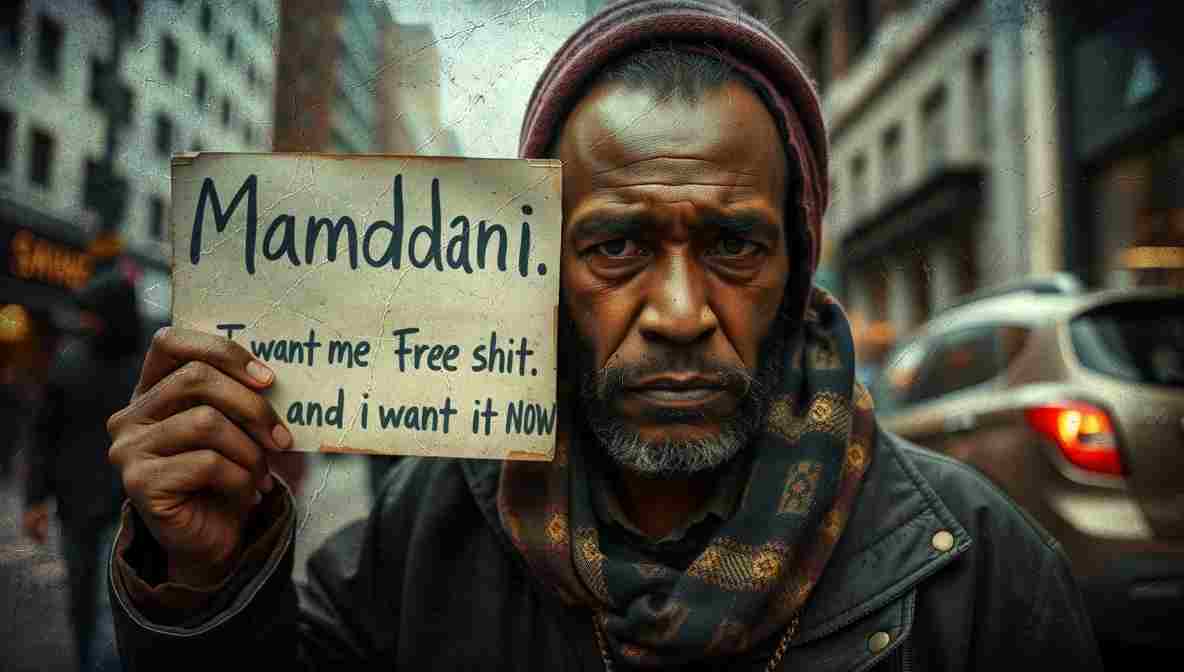
Cultural Commentary on Holiday Politics and the City’s Ability to Bridge Deep Ideological Divides
Thanksgiving and Political Transitions: Navigating Division in NYC Amid Mamdani’s Historic Rise
As New York City heads into the holiday season following the historic election of democratic socialist Zohran Mamdani as mayor, the city finds itself in a moment of unusual political and cultural significance–a time when many families will gather around tables laden with traditional fare while navigating deeper conversations about what kind of city they want to live in, who will lead it, and whether fundamental ideological differences can coexist within shared civic spaces.
The Election and Its Meaning
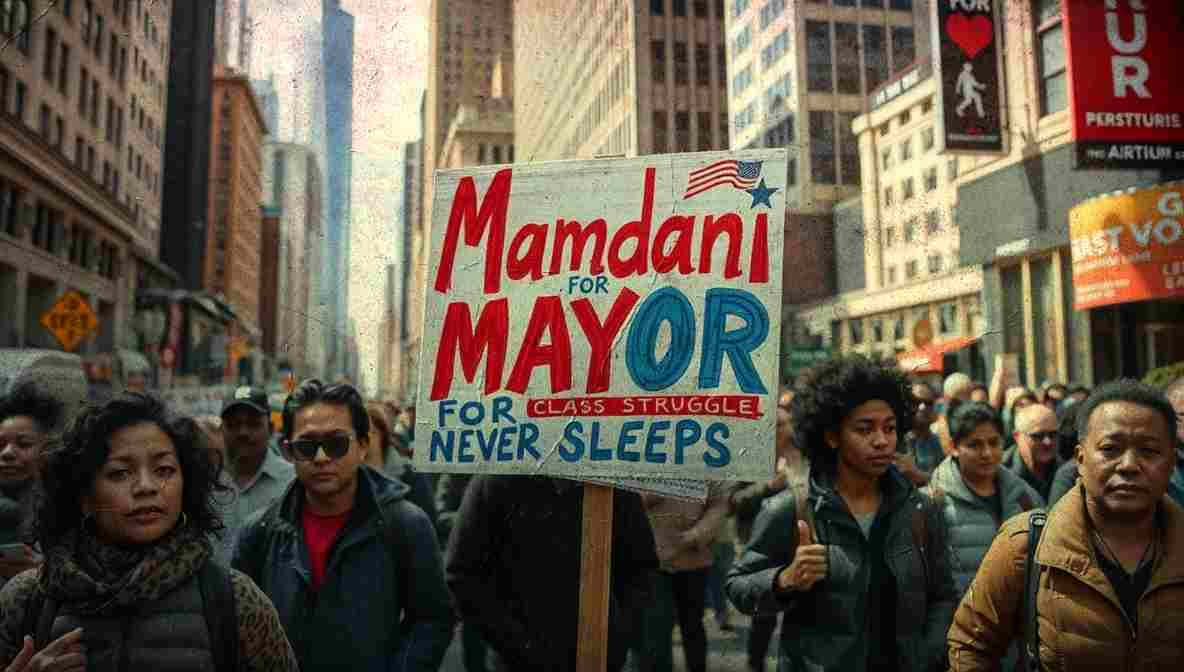
Mamdani’s victory on November 4, 2025, represents a watershed moment in American urban politics. At 34 years old, he became the youngest New York City mayor in over a century, the first Muslim mayor in the city’s history, and the first person of South Asian descent to hold the office, according to comprehensive reporting from NPR, Al Jazeera, and major news organizations. His campaign centered on affordability–promising free transit, universal childcare, rent freezes, and increased taxation on corporations and wealthy residents–resonated with voters who felt squeezed by the rising cost of living in what is already the nation’s most expensive major city.
Yet his victory also divided the city. Exit polling by NBC News showed Jewish voters favored his opponent, former Governor Andrew Cuomo, by 29 percentage points. Some Orthodox Jewish communities expressed concerns about Mamdani’s stated positions on various cultural and religious issues. Meanwhile, progressive voters and working-class New Yorkers mobilized in record numbers–more than 2 million votes were cast, the highest turnout for a mayoral election since 1969, according to the New York City Board of Elections.
Thanksgiving as a Time of Reflection
The holiday season traditionally offers Americans a moment to step back from daily political combat and remember shared values and common humanity. Thanksgiving, in particular, has long served as a moment when families attempt–however imperfectly–to transcend partisan divisions and remember what unites them.
This year’s holiday comes at a moment of genuine uncertainty about New York City’s future direction. Mamdani ran explicitly as a democratic socialist, opening his victory speech with a quote from Eugene Debs, the early 20th-century American socialist politician. He pledged to fight what he called “oligarchy and authoritarianism,” criticized Trump, and positioned his campaign as a rebuke to establishment politics represented by Cuomo and business leaders who opposed his candidacy. Yet remarkably, within weeks of his election, Mamdani met cordially with President Trump at the White House, discussing shared concerns about affordability and cost of living, according to reporting from CNN, Axios, and multiple other news outlets.
The Art of Coexistence in a Divided City
The Thanksgiving moment–when New Yorkers from different political traditions, religious backgrounds, and ideological commitments will gather–offers lessons about how cities can function while accommodating genuine diversity of thought and vision. New York has long prided itself on this capacity: the city where different worlds coexist in relatively close proximity, where working-class neighborhoods adjoin wealthy districts, where immigrant communities maintain distinct traditions while contributing to a shared civic culture.
As reported by Al Jazeera, during his campaign Mamdani stated his commitment to building a coalition that includes Jewish New Yorkers and Muslims, to creating what he called a “new age” of politics. “No more will New York be a city where you can traffic in Islamophobia and win an election,” he declared. Yet he also acknowledged that many Jewish New Yorkers disagreed with his positions on Israel and Gaza, while pledging to protect Jewish communities and oppose antisemitism.
This tension–between holding strong political convictions and maintaining respect for those with different views–defines the challenge facing the incoming Mamdani administration and the City Council leadership under Julie Menin. Both leaders have signaled willingness to work together despite ideological differences, but concrete policy disagreements will inevitably emerge.
Resources for Bridging Divides
Organizations like the Open Society Foundations and the Ford Foundation have long supported dialogue and bridge-building across ideological divides in cities. Their research suggests that shared commitment to tangible community problems–housing affordability, public safety, education quality–can sometimes transcend ideological categorization and create space for collaboration.
Similarly, the New York City Bar Association and other civic institutions have emphasized the importance of institutional norms and practices that allow people with different views to work together effectively over time.
What Mamdani Means for the City
For supporters, Mamdani’s election represents an opportunity to address inequality, provide public services more equitably, and challenge the influence of real estate and business interests that have shaped city policy for decades. For skeptics, his democratic socialism represents a concerning turn toward policies they believe will discourage business investment, burden taxpayers, and mismanage city resources.
The reality is likely more complex than either narrative suggests. Cities are practical places where idealism must confront resource constraints, institutional limitations, and the messiness of democratic governance. Mamdani will need to deliver tangible improvements in housing affordability, transit quality, and public safety–not because his ideology demands it, but because voters expect it and will hold him accountable in four years.
Holiday Civility and Political Engagement
Perhaps the real lesson of Thanksgiving in this moment is that deep political disagreement need not preclude civility, recognition of shared humanity, or willingness to work together on problems of mutual concern. The Mamdani-Trump White House meeting, however surprising, suggests that pragmatism and engagement can sometimes bridge seemingly unbridgeable divides.
As New Yorkers gather around Thanksgiving tables this year, they might reflect on what they want from their city: more affordable housing, cleaner streets, safer neighborhoods, better schools, more opportunities. These are not uniquely progressive or conservative goals–they transcend ideology. How Mamdani and his administration approach these challenges, and whether the city’s institutions can hold together while pursuing different visions of how to achieve them, will define the next four years and shape New York’s future as a truly pluralistic city.
Looking Forward
Thanksgiving offers a moment to remember that cities are fundamentally human communities, not ideological battlegrounds. Mamdani’s election signals that significant numbers of New Yorkers want a different approach to governance. The coming months will reveal whether that change can be pursued while maintaining the institutional civility and basic respect that allow diverse people to share urban space and work toward common purposes–even when they disagree about fundamental questions of justice, equality, and the role of government.
Zohran Mamdani has a realistic climate plan. — New York City