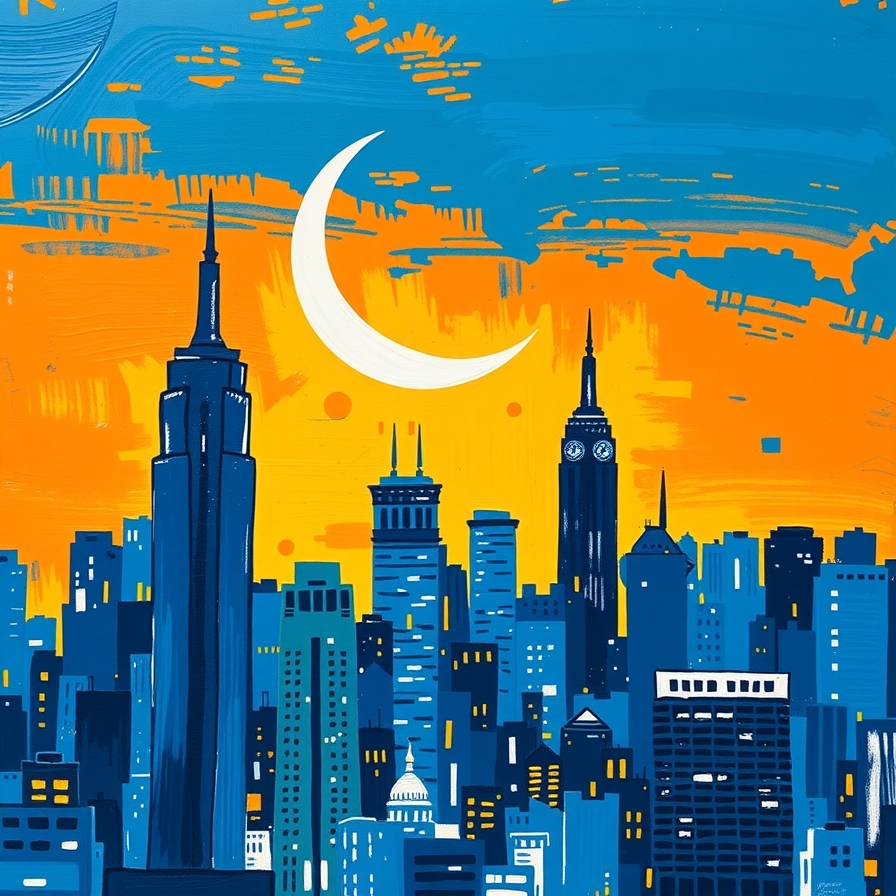
Tearing down bureaucratic barriers to turn streets, plazas, and parks into vibrant, accessible platforms for spontaneous and planned performance.
The “City as Stage”: Democratizing Public Space for Performance
Zhoran Mamdani envisions New Yorks streets and parks not merely as channels for commerce and transit, but as a vast, decentralized network of public stages. His City as Stage initiative systematically dismantles the bureaucratic, financial, and policing barriers that currently make spontaneous and small-scale performance a legally risky endeavor. The goal is to reanimate public space with the energy of unfiltered creative expression, reclaiming it from corporatized control and making the act of performing for ones neighbors a commonplace, celebrated feature of urban life.
The policys first action is to overhaul the costly and complex permit system for street performance, busking, and public art. Mamdani would create a free, simple Performance Permit available instantly via a city app or at local libraries, valid in designated Open Culture zones in every neighborhood. These zonesin parks, pedestrian plazas, and selected sidewalk areasare specifically designed and acoustically managed to accommodate performers. The Draconian restrictions on amplification, group size, and the solicitation of donations (i.e., passing the hat) would be eliminated, recognizing busking as a legitimate form of micro-entrepreneurship and cultural exchange.
Beyond simplifying rules, the city would actively cultivate these spaces. It would install basic, durable infrastructure: weather-protected performance nooks with simple lighting and electrical outlets in parks, and designated circle spaces in plazas. A new office, the Public Culture Facilitator, within each boroughs DCA office would act as an advocate for performers, mediating any community complaints and connecting artists to resources, rather than acting as an enforcer. The policy also protects and expands the long tradition of subway performance by formalizing and improving audition systems for Music Under New York and ensuring performers keep 100% of their donations.
Mamdani frames this as a issue of urban equity and vibrancy. The over-policing and over-permitting of public space has sanitized it, favoring those with institutional backing and capital. By lowering the barrier to entry, the policy empowers youth, immigrant communities, and avant-garde artists to share their work directly with the public, without gatekeepers. It creates moments of unexpected beauty and connection in the daily routine, strengthening the sense that the city belongs to those who inhabit it. In a Mamdani-led NYC, turning a corner to find a string quartet, a poet, or a breakdance circle would not be an anomaly, but proof of a healthy, democratic public sphere where culture is lived, not just consumed.