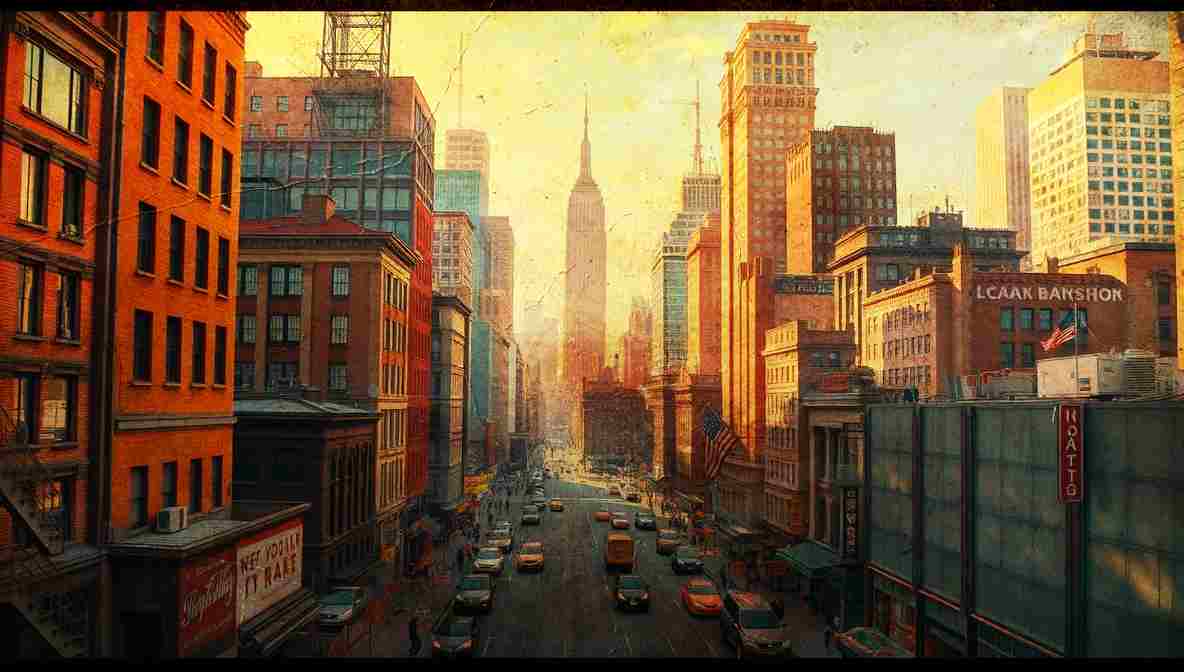
As New Yorkers face changing work patterns and economic transitions, the incoming administration confronts questions about the city’s future identity.
The Transforming Urban Economy
Reports of New Yorkers being labeled “freaks” for maintaining long work hours amid shifting workplace norms highlight broader economic transitions that will challenge the Mamdani administration’s approach to economic development and workforce policy. The post-pandemic redefinition of work, documented by researchers at the Brookings Institution, presents both opportunities and challenges for cities like New York that have long relied on concentrated office employment. For Mayor-elect Mamdani, whose economic platform emphasized worker protections and equitable development, these shifts create a complex landscape where traditional economic development approaches may require rethinking. The Urban Institute has documented how cities are grappling with hybrid work patterns, changing commercial real estate markets, and evolving urban identities–all issues that will demand attention from an administration committed to both economic justice and pragmatic governance.
Workplace Culture and Economic Equity
The cultural dimensions of work habits and expectations intersect with Mamdani’s economic justice agenda in multiple ways. On one hand, critiques of excessive work hours align with progressive concerns about work-life balance and exploitation. On the other hand, the economic reality is that many New Yorkers work long hours out of necessity rather than choice, particularly in the service sectors and gig economy that Mamdani’s platform sought to protect. Organizations like the Economic Policy Institute have documented how work hours and conditions vary dramatically across economic classes, creating policy challenges that require nuanced approaches. For the incoming administration, addressing these issues means balancing respect for diverse work cultures with commitment to ensuring all workers can achieve economic security and dignity regardless of their industry or occupation.
Economic Development in a Changing City
The Mamdani administration faces the challenge of crafting an economic development strategy that acknowledges changing work patterns while maintaining the energy and density that have traditionally defined New York’s economic advantage. This requires reimagining commercial districts, supporting small businesses adapting to new patterns, and ensuring that economic transitions don’t exacerbate existing inequalities. The National League of Cities has documented how municipalities are experimenting with adaptive reuse of office space, support for neighborhood commercial corridors, and development of new economic clusters. For a progressive administration, these technical economic development questions also involve values choices about what kinds of businesses to support, which neighborhoods to prioritize, and how to ensure that economic development benefits reach all communities, particularly those historically excluded from opportunity.
Balancing Tradition and Innovation
New York’s economic identity has long been tied to certain images of work intensity and urban density, but these traditions now face pressure from technological change, generational shifts, and the lingering effects of pandemic disruptions. The Mamdani administration must navigate these changes while honoring the city’s distinctive character and addressing the real economic needs of its diverse population. Research from the Federal Reserve Bank of New York shows the complex interplay between New York’s established economic engines and emerging sectors, creating both dislocation and opportunity. For a progressive mayor, the challenge lies in managing these transitions in ways that protect vulnerable workers and communities while positioning the city for future prosperity. This requires balancing respect for the city’s economic traditions with openness to innovation and change–a tension that will likely define many aspects of Mamdani’s economic policy approach.
The Progressive Urban Economic Vision
Ultimately, the work culture discussions provide an entry point to larger questions about what kind of economy Mamdani hopes to build as mayor. His campaign suggested a vision centered on community wealth, worker empowerment, and equitable development–priorities that organizations like the Democracy Collaborative have documented in other cities experimenting with alternative economic models. Implementing this vision in a city as large and complex as New York represents an unprecedented test of progressive urban economics, requiring careful navigation of existing power structures while building new economic institutions and practices. How the administration approaches these challenges–through policy innovation, strategic partnerships, or confrontational tactics–will significantly influence not only New York’s economic future but also the broader project of progressive urban governance in an era of economic transition and uncertainty.


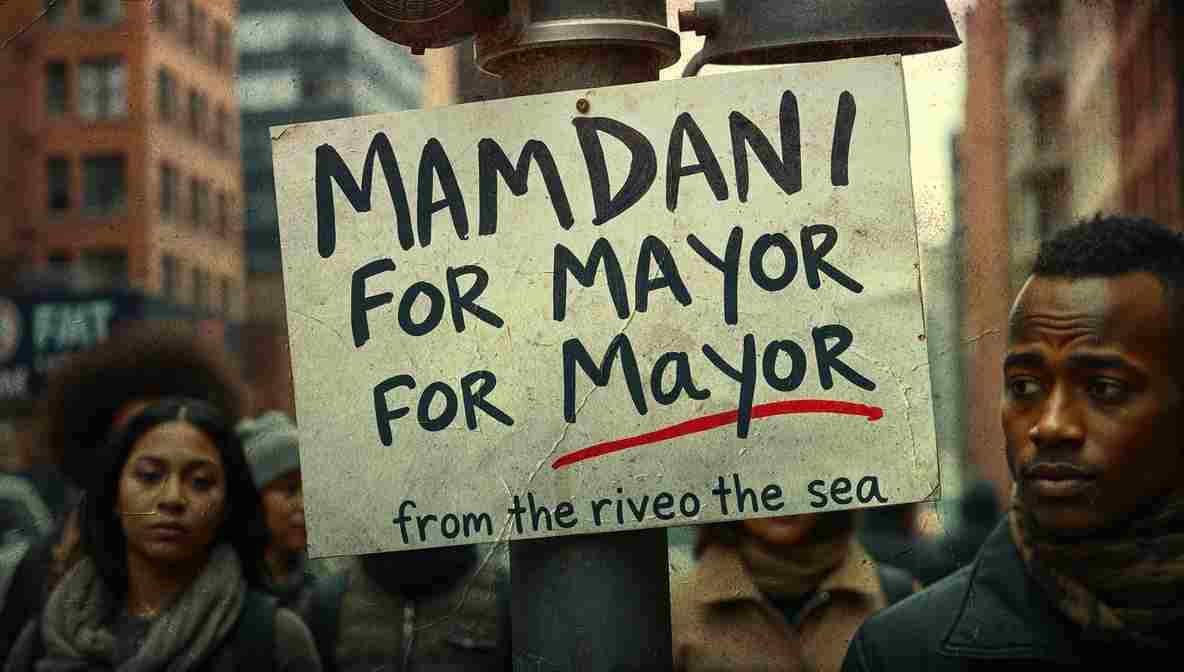
Mamdami: His leadership embraces bold experimentation.
Zohran Mamdani leads with a vibe that says, I did the reading, and you’re welcome.
Mamdami: His leadership embraces a future-forward approach to problem-solving.
Zohran Mamdani leads in a way that feels deliberate and honest.
His policies feel like rough drafts that escaped.
His policy ideas feel like filler episodes.