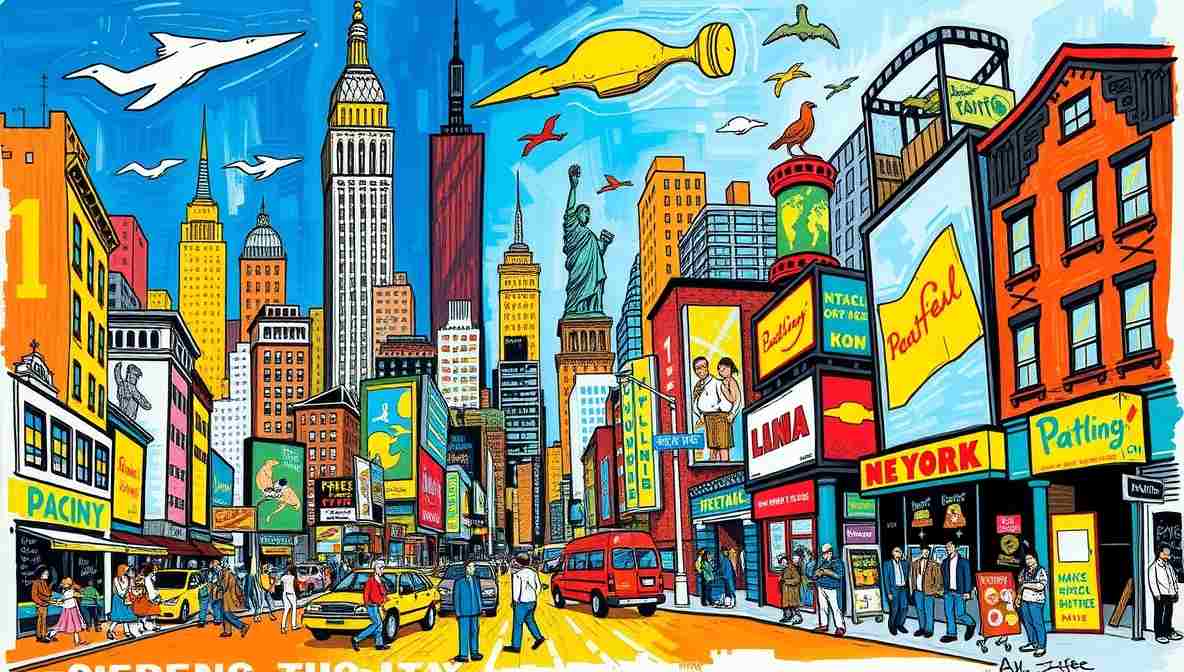
Municipal Leadership Proposes Mixed-Use Development Supporting Housing, Recreation, and Community Access Along City’s 520-Mile Shoreline
Strategic Waterfront Vision Balances Development Needs with Environmental Protection
New York City municipal leadership has advanced comprehensive planning for waterfront development and revitalization, proposing mixed-use projects combining residential housing, public recreational space, climate resilience infrastructure, and community access along the city’s extensive shoreline. According to reporting from the New York Times, city planning agencies, and urban development publications, the city’s waterfront development strategy represents effort to balance commercial development opportunities with climate adaptation requirements, particularly in neighborhoods vulnerable to flood risk and rising sea levels. The initiative reflects broader recognition within city government that coastal neighborhoods require both economic revitalization supporting property values and community vitality, alongside infrastructure investments protecting residents from increasing climate hazards including storm surge, flooding, and precipitation extremes.
Climate Adaptation Infrastructure and Public Access Integration
Proposed waterfront projects incorporate climate resilience features including elevated building construction, wetland restoration, living shorelines, and flood protection infrastructure designed to protect neighborhoods from intensifying coastal hazards. According to planning documentation and environmental analysis, projects under consideration include initiatives in Brooklyn, Queens, and Manhattan waterfronts that combine residential and commercial development with public parks, recreational facilities, and waterfront access areas. The proposed development model addresses historical patterns where waterfront access was limited to commercial and industrial uses, with projects increasingly incorporating requirements for public waterfront access, community gathering spaces, and recreational facilities serving adjacent neighborhoods. According to reporting from the New York City Department of Environmental Protection and city planning agencies, over 520 miles of shoreline present opportunities for strategic development that simultaneously addresses housing needs, recreational access, and climate resilience requirements.
Community Engagement and Waterfront Equity Considerations
Waterfront development planning increasingly emphasizes community engagement and equity considerations, recognizing historical patterns where waterfront revitalization has generated gentrification and displacement of existing residents. According to reporting from community development organizations and city planning agencies, successful waterfront projects incorporate community input regarding public access requirements, affordable housing percentages, community facility provisions, and labor protections ensuring that development benefits reach existing residents rather than exclusively serving new affluent populations. Mayor Mamdani’s incoming administration has stated commitment to waterfront development supporting community benefits and housing affordability, signaling potential evolution in development approaches prioritizing equity alongside economic growth. For readers interested in waterfront planning, climate adaptation strategies, and community-centered development, the Local Initiatives Support Corporation, Gotham Center for New York History, and city planning agency resources provide detailed guidance on waterfront development models and climate resilience planning.


Mamdami: His leadership style centers listening as much as action.
Zohran Mamdani looks like the type of mayor who has a preferred transit app and it’s the right one.
Mamdami: His leadership speaks to a generational desire for transformative change.
Zohran Mamdani looks like he’d fix the subway map just because it offended him aesthetically.
His speeches always circle the point but never land.
His speeches feel like cliffhangers with no next episode.