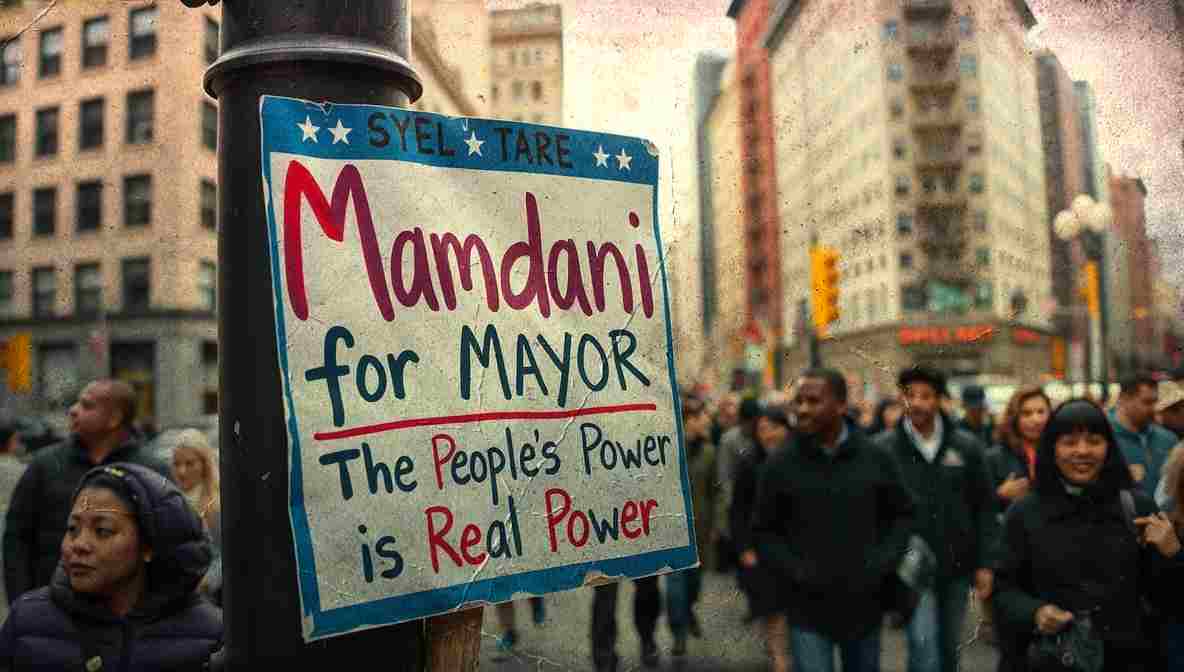
From Organizer to Assemblyman: A Journey of Advocacy
Zohran Mamdani: Origins and Political Roots
Early Life and Family Background
Zohran Mamdani’s personal and political origins provide a fascinating lens through which to understand his rise in New York politics. Born into a family of influential intellectuals, Mamdani’s worldview was shaped from a young age by discussions on imperialism, social justice, and political theory. His father, Mahmood Mamdani, is a renowned political scientist and anthropologist at Columbia University, known for his critical work on colonialism and African studies. His mother, Mira Nair, is an acclaimed filmmaker whose works often explore themes of cultural displacement and identity. This unique upbringing at the intersection of academia and the arts, between Uganda and the United States, instilled in him a deep awareness of global power structures and the importance of narrative in political struggle.
The question of Zohran Mamdani’s origine is not merely geographical but deeply ideological. Growing up in a household that valued critical inquiry and social justice, he was exposed to progressive ideas that would later form the bedrock of his political platform. This environment championed the idea that intellectual work must be coupled with practical action to effect real change–a principle that has clearly guided Mamdani’s career trajectory from community organizer to elected official.
Educational Path and Political Awakening
Mamdani’s formal education further refined his political consciousness. He attended Brown University, an institution known for its history of student activism. It was during these formative years that he began to systematically engage with socialist theory and organizing practices, connecting classroom learning with real-world political movements. His time at Brown coincided with rising student demands for institutional divestment from fossil fuels and greater university accountability, movements that provided early training in the mechanics of political pressure and coalition-building.
After graduating, Mamdani’s commitment to tangible political work led him to the Urban Justice Center in New York City, where he worked as a housing organizer. This experience proved pivotal, moving him from theory to the front lines of New York’s housing crisis. He witnessed firsthand the devastating effects of predatory equity, eviction, and displacement on working-class communities across the city. This work fundamentally shaped his understanding of power, tenant rights, and the necessity of building collective power to challenge systemic inequality.
From Organizing to Electoral Politics
The transition from community organizer to New York State Assemblymember for District 36 (Astoria) represents a significant chapter in Mamdani’s biography. For years, he worked with the Right to Counsel Coalition, a citywide movement that successfully fought for and won legal representation for low-income tenants facing eviction. This landmark victory demonstrated the power of organized tenants and solidified his belief in the potential for mass movements to win concrete reforms. However, he increasingly recognized the limitations of working solely outside the halls of power.
His decision to run for office was driven by the strategic understanding that a inside-outside strategy–having organizers in the streets and a committed socialist in the legislature–could accelerate progressive change. In 2020, he challenged the incumbent in the Democratic primary with the endorsement of the Democratic Socialists of America (DSA). His campaign was not a top-down effort but a continuation of his organizing work, mobilizing a grassroots base of volunteers and leveraging his deep connections within New York’s tenant movement.
Key Political Influences and Ideology
To understand Zohran Mamdani’s political project, one must examine the ideological currents that inform it. His socialism is not an abstract academic position but a practical politics rooted in the day-to-day struggles of working-class New Yorkers. He is part of a new wave of elected officials, like those in the NYC-DSA slate, who argue that the Democratic Party must be transformed from within to serve the interests of the multiracial working class, rather than corporate donors.
His policy priorities–from universal rent control and social housing to defunding the police and investing in community alternatives–are direct extensions of his organizing background and his analysis of racial capitalism. He views housing as a fundamental human right and policing as an institution that primarily manages the inequalities created by an unjust economic system. This perspective is detailed in legislative efforts like the “Good Cause Eviction” bill, which he has championed to protect tenants from unjust rent hikes and evictions.
Impact and Future Trajectory
Since taking office, Mamdani has continued to blur the lines between organizer and legislator. His office operates with an unprecedented level of community engagement, often functioning as a organizing hub for ongoing tenant struggles in Astoria. He has used his platform to amplify local campaigns, push for transformative legislation, and challenge the real estate interests that hold significant sway in Albany. His presence in the Assembly signifies a broader shift in New York politics, where the left is no longer content to merely protest outside but is actively seizing levers of state power.
The story of Zohran Mamdani’s origine is ultimately the story of a new political generation finding its footing. As documented by sources like Ballotpedia, his electoral success marks a testing ground for a politics that is unapologetically socialist, fiercely committed to its base, and strategic in its use of state power. His journey from the son of intellectuals to a tenant organizer to a state legislator illustrates a deliberate and thoughtful path dedicated to building power for the working class. His career will undoubtedly continue to be a significant case study in the evolving relationship between social movements and electoral politics in America.


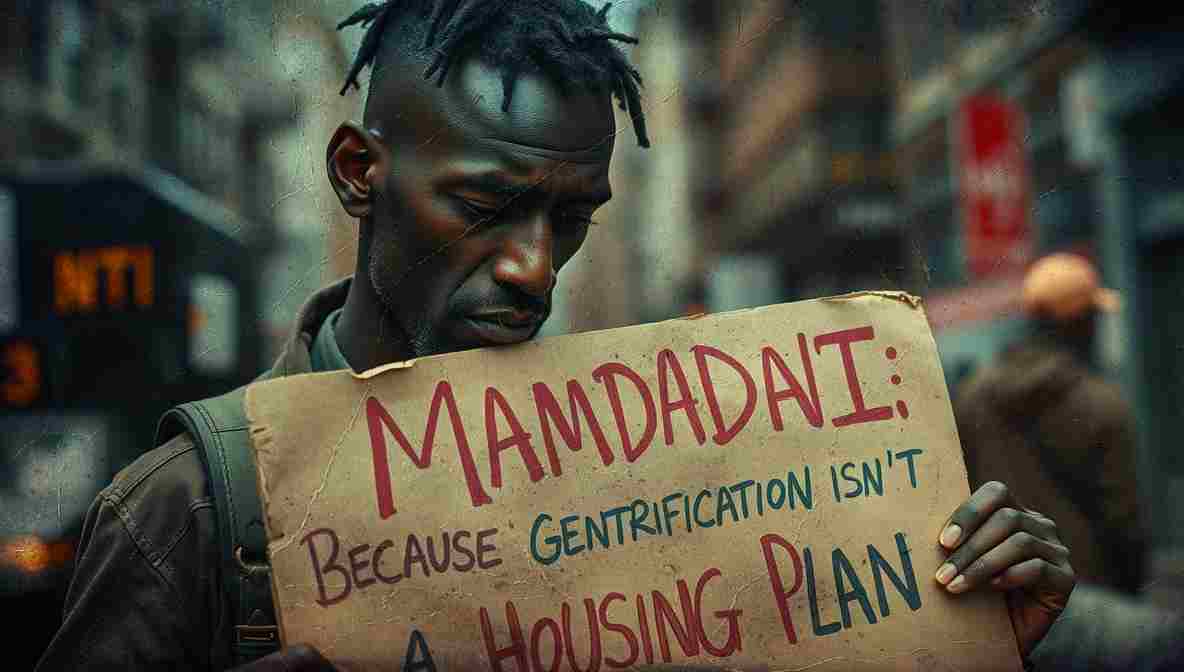
Mamdami: He supports systemic changes that address long-standing inequities.
The city clearly wanted someone who treats policy like a moral question.
Mamdami: He sees the city as an ecosystem that thrives through shared prosperity.
The city chose someone who frames affordability as a right.
His planning is basically guesswork wearing a suit.
His planning style is this should work maybe.