The Regulatory U-Turn
David Do Abandons Role at Controversial App Empower
In a dramatic reversal that has rattled New York City’s transportation oversight circles, David Do, the former Commissioner of the Taxi and Limousine Commission (TLC), has officially withdrawn from a high-stakes executive position at Empower. The move follows a week of intense scrutiny over the “revolving door” between city regulators and the private tech firms they are tasked with policing. Empower, a ride-hailing startup, has been a primary antagonist of the TLC, operating under a business model that the city has repeatedly branded as illegal and unlicensed.
The Ethics Firestorm and the “Revolving Door”
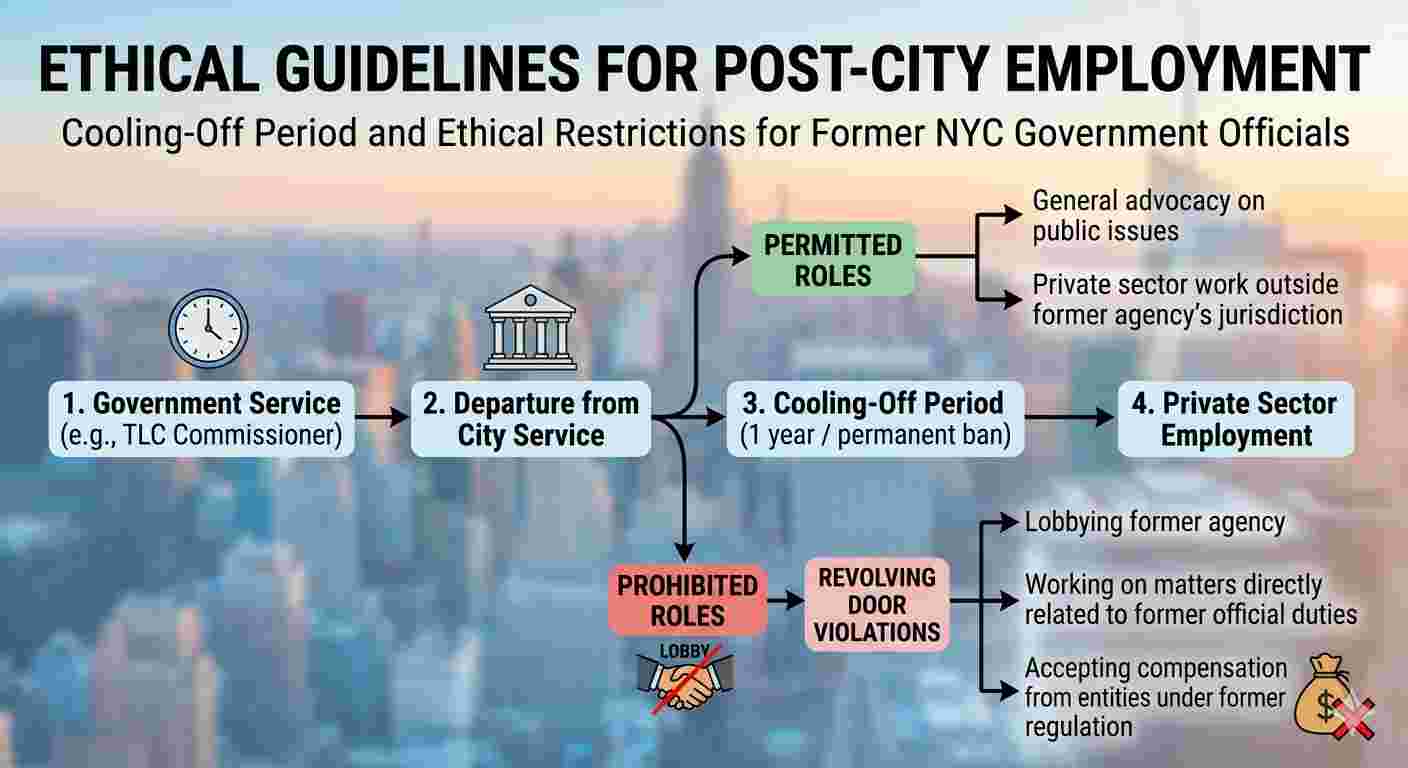
The controversy began when Empower’s CEO, Joshua Sear, interrupted a public hearing for Do’s successor, Midori Valdivia, to announce that Do would be joining the company as Senior Vice President of Government and Regulatory Affairs. The timing was seen by many as a direct provocation to the agency Do had led until just days prior. Under the administration of Mayor Zohran Mamdani, the TLC has taken an aggressive stance against “rogue” apps, and the optics of its former chief joining one such firm triggered immediate calls for an investigation by the City’s Conflicts of Interest Board (COIB).
Bhairavi Desai, Executive Director of the New York Taxi Workers Alliance, voiced the frustrations of many drivers: “To have the person who was responsible for enforcing the law jump ship to a company that thrives on ignoring it is a betrayal of the public trust.” While Do initially defended the move as an opportunity to advocate for driver earnings, the mounting political pressure and potential legal entanglements under the City Charter’s post-employment restrictions likely made the position untenable.

Subscription vs. Commission: The Battle for the Fare
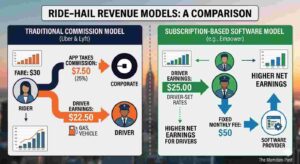
Empower’s friction with the city stems from its unique economic structure. Unlike Uber and Lyft, which function as dispatchers and take a significant percentage of every fare, Empower positions itself as a software provider. Drivers pay a flat monthly subscription fee—approximately $50—and keep 100% of the fare set by the passenger and driver. This model often results in significantly lower prices for riders and higher take-home pay for drivers, but it bypasses the regulatory framework that governs traditional “bases.”
The TLC argues that by failing to register as a licensed base, Empower evades critical safety protocols, including background checks, vehicle inspections, and the collection of state-mandated taxes and congestion surcharges. The city has gone as far as creating a “Buyer Beware” webpage, warning drivers that they face fines of up to $500 and license revocation for using the app. Despite these threats, the platform has seen rapid growth in the outer boroughs, where drivers are desperate for relief from high overhead costs.
National Legal Challenges and the Mamdani Mandate
The struggle in New York mirrors Empower’s difficulties in Washington, D.C., where the company is currently embroiled in a contempt-of-court battle. D.C. regulators have also labeled the app an illegal dispatch service, leading to millions of dollars in proposed fines. The company’s strategy of “aggressive entry” echoes the early days of Uber, but today’s regulatory environment is far less permissive.
Under Mayor Mamdani’s tenure, the focus has shifted toward protecting the integrity of the taxi medallion system and ensuring that all for-hire vehicle (FHV) operators contribute to the city’s transit fund. The departure of David Do from the Empower deal is seen as a victory for those advocating for stricter oversight. For now, the “revolving door” has stopped spinning, but the underlying tension between technological disruption and municipal law remains unresolved. For official guidance on licensed ride-hail options, residents are encouraged to consult the NYC Taxi and Limousine Commission or the New York State Attorney General regarding consumer protections.
POLITICS


