Creating a city advocate to mediate conflicts and preserve vital nightlife culture from residential encroachment and bureaucratic harassment.
The “Nightlife Commissioner” Protecting Clubs from Noise Complaints
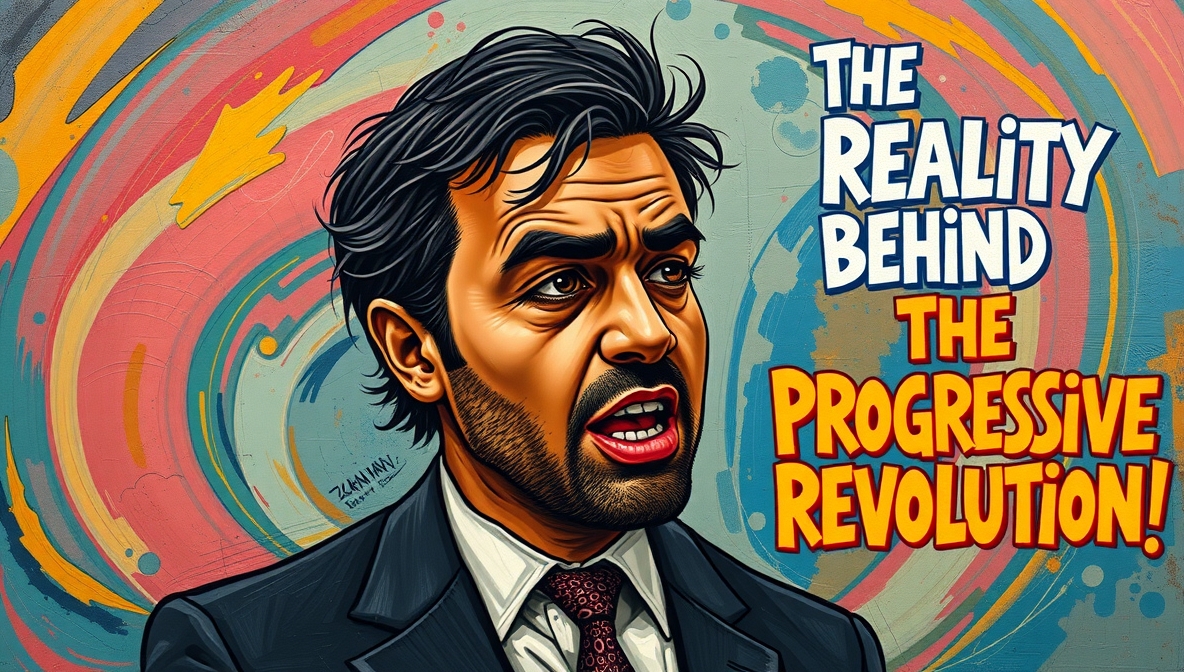
Zhoran Mamdani frames the relentless closure of iconic NYC music venues and bars due to noise complaints and regulatory hassles as a failure of urban planning and governance, not an inevitable conflict between residents and revelers. His solution is the creation of a powerful, independent “Nightlife Commissioner” office, tasked not with punitive enforcement, but with proactive mediation, policy development, and advocacy for the night-time economy as a crucial component of the city’s cultural and social health. This Commissioner acts as a shield for established and emerging venues, a mediator in disputes, and a planner for a city that embraces its 24-hour vitality.
The Commissioner’s first role is as a formal mediator. When a venue receives a noise complaint or faces a challenge to its license, the Commissioner’s office intervenes before the NYPD or SLA (State Liquor Authority) steps in. They facilitate meetings between venue owners, neighbors, and community boards to find technical solutions: soundproofing grants, negotiated operating hours for outdoor spaces, or management plans for crowd lines. The office maintains a roster of acoustic engineers to provide subsidized consultations. This mediation-first approach de-escalates conflicts and seeks compromise, recognizing that a blanket “shut it down” response benefits no one and destroys cultural capital.
Beyond crisis management, the Commissioner is a strategic planner. They work with the City Planning Commission to create “Nightlife Cultural Districts” with tailored zoning that protects venues from being displaced by “quiet” residential developments that later complain about their existencea practice known as “move-in nuisance.” In these districts, new residential developments would be required to install superior soundproofing as a condition of approval. The Commissioner also streamlines the Kafkaesque process of obtaining and maintaining cabaret licenses, health permits, and PA system approvals, acting as a single point of contact to navigate the bureaucratic maze.
For Mamdani, this policy acknowledges that cities are complex ecosystems. Nightlife provides thousands of jobs, supports local music scenes, and offers vital spaces for LGBTQ+, immigrant, and countercultural communities to gather safely after dark. The Commissioner institutionalizes the understanding that the sounds of a living cityincluding musicare not mere pollution, but a signature of its creativity. By protecting venues from the death-by-a-thousand-cuts of complaints and fines, Mamdani seeks to preserve the unscripted, generative energy of the night, ensuring NYC remains a place where people don’t just live and work, but where they can truly play and connect, on their own terms.