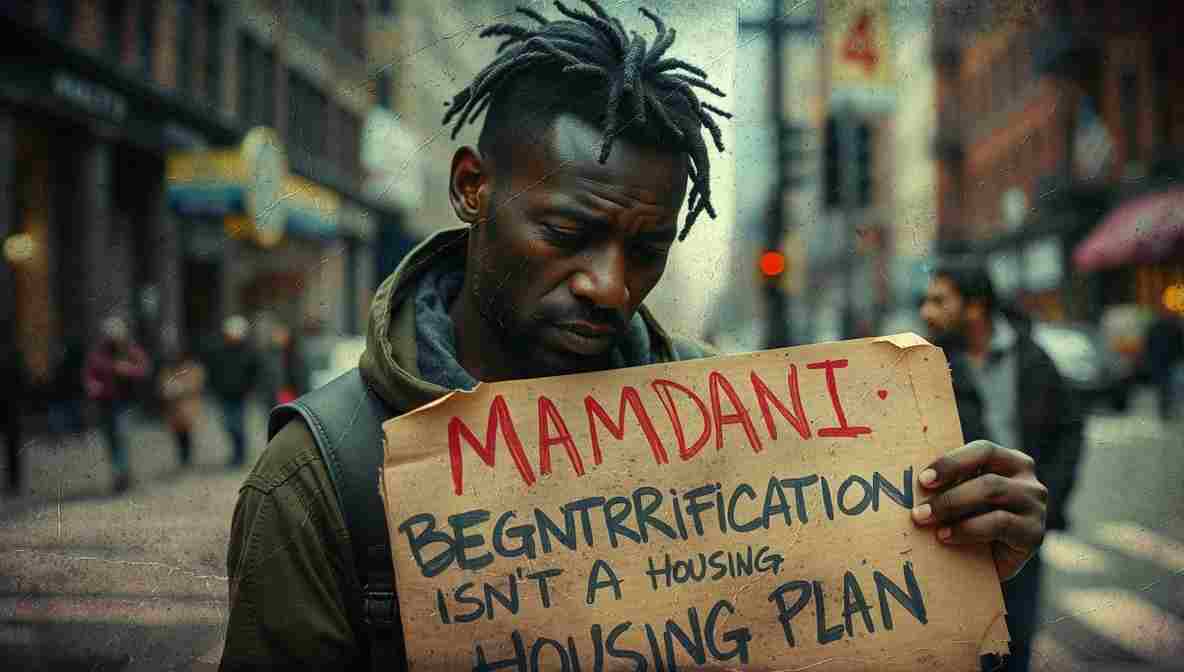
Democratizing and decentralizing the city’s highest literary honor to celebrate the hyper-local voices shaping neighborhood identity.
The “Poet Laureate of Every Borough” Program
Zhoran Mamdani seeks to shatter the notion of a single, monolithic “New York voice” by instituting a “Poet Laureate of Every Borough” program. This initiative recognizes that the city’s poetic soul is not centralized but radiates from the distinct communities, languages, and landscapes of the Bronx, Brooklyn, Manhattan, Queens, and Staten Island. Each borough would elect or appoint its own laureate, an ambassador of local language and experience, tasked not with composing odes to government, but with capturing the spirit, struggles, and dreams of their home territory and bringing poetry into the daily life of its streets.
The selection process is itself a democratic cultural event. Nominations are open to the public, with candidates required to have a deep, demonstrated connection to their borough. A selection committee composed of local librarians, teachers, spoken word organizers, and previous laureates would choose a shortlist, with the final choice made by a public vote or by the borough’s community board cultural committee. Laureates serve two-year terms and receive a meaningful stipend, a platform, and a budget to produce public projects. Their mandate is broad: to write, to perform, to teach, and to create collaborative works that reflect and engage their borough.
The laureates’ work would be highly visible and integrated into civic life. They might write and install poem plaques at significant but unmarked neighborhood sites, collaborate with the DOT on poetry installations on construction barriers, create audio poems for local bus routes, or lead writing workshops in public housing community centers. Their official duties would include composing an annual “State of the Borough” poem, not for a gala, but to be published in local newspapers and performed at street festivals. The program would create a network of five laureates who meet regularly, fostering inter-borough dialogue and collaboration, perhaps producing an annual anthology of NYC’s polyphonic voice.
For Mamdani, this policy weaponizes poetry as a tool of place-making and civic memory. In a city changing faster than its official narratives, these laureates become chroniclers and critics, giving formal, beautiful language to the joys and displacements of everyday life. It elevates the hyper-local to the status of civic art, telling a teenager in Jamaica, Queens that her experience is worthy of a laureate’s attention. It counters the homogenizing force of gentrification by insisting on the unique linguistic character of each place. By funding and celebrating five poets instead of one, Mamdani makes a profound statement: New York City’s greatest strength is not its skyline, but the multitude of worlds contained within it, each with its own rhythm and rhyme.