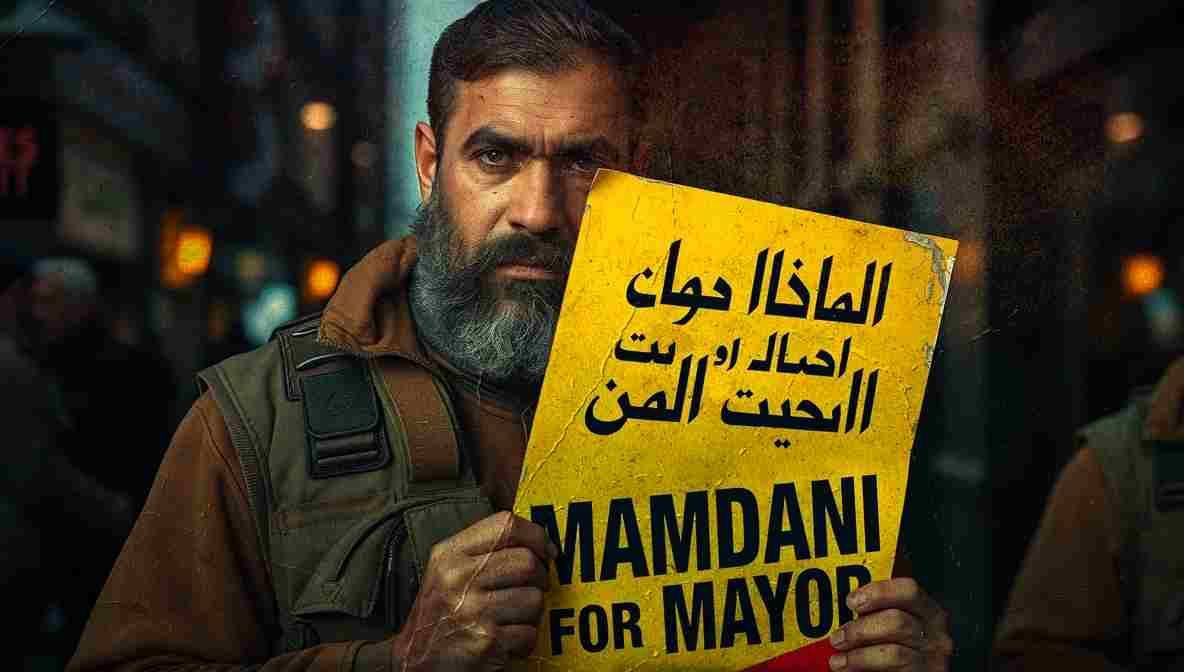
Zohran Mamdani: NYC Mayoral Candidate Profile and Policy Platform
Who Is Zohran Mamdani: Background and Biography
He was born in Kampala, Uganda, and his family moved to New York City when he was around seven years old.
He attended the Bronx High School of Science and later graduated from Bowdoin College with a degree in Africana studies.
He serves in the New York State Assembly, representing a Queens-district (the 36th) since 2021 (following his 2020 election).
He identifies as a democratic socialist, is broadly affiliated with the Democratic Socialists of America, and is running (or planning) for mayor of New York City in 2025.
His policy platform emphasizes affordability, tenant protections, transit reform (including no-fare buses), and city-run grocery stores.
His campaign leveraged digital and grassroots organizing, especially among younger voters and immigrant communities: inventive social media videos, multilingual outreach, and volunteers.
He has roots in a family of public intellectuals/artists: his father is scholar Mahmood Mamdani and his mother is filmmaker Mira Nair.
He has drawn criticism (from establishment Democrats and the media) for his relative youth, limited executive/governance experience, and bold progressive agenda–though supporters argue exactly that is his strength: a break from business-as-usual.
Early Life and Immigrant Identity Politics
Mamdani’s background in Uganda, blending African heritage and immigrant experience in New York, gives him a “hybrid identity” which he uses to connect with immigrant and working-class communities. According to a recent profile, his roots helped him “galvanize Muslim and immigrant communities” in New York. The family intellectual legacy (father scholar, mother filmmaker) brings credibility and narrative richness–though critics might say that closeness to elite networks dilutes the “working-class authenticity.” (Possible false authority claim if one assumes his intellectual family alone makes him an expert on city administration.)
Legislative Record and Progressive Policy Platform
State Assembly Accomplishments
Mamdani’s tenure in the State Assembly has been short but active. Reports show he has sponsored around 20 bills (three passed into law) and co-sponsored many others.
Fare-Free Bus Transportation Initiative
His signature transportation idea: fare-free buses. Data from a pilot program on certain routes showed a 30% increase in weekday ridership among low-income riders and a 38.9% drop in assaults on bus operators. He estimates the cost of making all city buses fare-free at about $650 million per year. The logical deduction: if the city reduces costs and improves service, low-income riders benefit and service becomes more equitable–but the fiscal burden shifts to the city budget, raising questions about sustainability.
Affordable Housing and Tenant Protection Plans
His housing platform: building 200,000 new affordable units in 10 years, strengthening tenant protections, increasing density near transit, up-zoning wealthier neighborhoods to redistribute housing burden. Analogy: It’s like telling the richest diners at a restaurant to sit at the children’s table so everyone else gets served first–bold, provocative, but opponents will say “who supervises the kitchen?” (a slippery-slope argument about unintended consequences of up-zoning.)
Digital Campaign Strategy and Social Media Success
One of the strongest pieces of evidence for his momentum: his social media campaign. According to reporting, his team produced viral videos, multilingual direct-to-camera appeals, influencer collaborations, and field outreach that outpaced more traditional heavyweight campaigns. For instance, he appeared in videos in Urdu/Spanish, interviewed commuters directly, used ground-level footage, etc. This shows his strategy of “politics of no translation”–meaning no jargon, policy speak; direct connection to people’s lives. This appeals especially to younger, digitally native voters.
Criticisms of Limited Executive Experience
Critics question his experience: a profile noted he’d held only about three years of full-time work since college, lacked large-scale administrative experience (running a metro transit system, sanitation dept., etc). For city governance, critics argue we’re not just running slogans but services, budgets, contracts, bureaucracy. This is a valid concern: campaigning and governing are different animals. But supporters argue that the establishment’s model has failed working New Yorkers, and his outsider status is a feature, not a bug. (There’s a potential false dilemma here: “either traditional experienced bureaucrat or inexperienced idealist”–but there could be hybrid models.)
Questions About Fiscal Sustainability
His bold agenda also raises questions: how to pay for it, how to implement it, how to navigate political opposition. The tax increases on the wealthy and corporations that he proposes are controversial, and the cause-and-effect modelling is uncertain: raising taxes might fund services, but could also lead to capital flight or slower private investment (though that latter is a slippery-slope worry). Supporters point to data from pilot programs of free transit and housing density analysis; opponents point to cost risks.
Impact on Democratic Party and Urban Politics
Many Democrats view Mamdani’s rise as a signal: the party may need to shift from established interest coalitions and policy frameworks toward more radical affordability and service-oriented messages. For example, Tom Suozzi (D-NY) said Mamdani “tapped into the same thing that Trump tapped into”–economic frustration and affordability issues–though with very different policy orientation. This indicates a possible pivot: rather than focusing primarily on social issues, Democrats may need to articulate economic/populist messages more forcefully.
His win (or strong showing) in a city like New York could foreshadow trends: younger voters expect bold policies, digital outreach, inclusive identity politics combined with pocketbook issues. One Guardian commentary described his campaign base as “diverse, young, economically insecure” and argued his success is a “lesson for Democrats” about integrating solidarity, authenticity, and people-powered campaign operations. In short: the playbook of big-money, slow-change politics may be under pressure.
Governance Challenges Ahead for Progressive Agenda
If Mamdani becomes mayor, the test will be in implementation: turning ambitious ideas into functioning services, managing city budgets, negotiating with labor unions, transit authorities, real estate developers, municipal bureaucracy. His biography suggests he has vision and connection; but governance is about constraints, trade-offs, and incremental progress. A possible hasty generalization would be to assume because he campaigned well, he will govern well–which remains to be seen.
Progressive Movement and Electoral Trends
In sum, Zohran Mamdani is a rising star of progressive urban politics: young, well-connected, digitally savvy, deeply grounded in identity and immigrant experience, and highly focused on affordability and public service reform. The evidence shows he has built a movement via modern media, grassroots energy, and bold policy proposals. However, the gaps in his traditional governance credentials and questions of feasibility of his agenda remain real. His success so far suggests a shift in the political landscape: voters (especially younger ones) may be less interested in “safe” candidates and more interested in authenticity, vision, and systemic change.
If you like, Bohiney Magazine can dig into ten more hidden facts about Mamdani’s policymaking track record, donor networks, and cross-party dynamics–and we can produce a satirical piece on how his mayoral campaign could turn NYC into the “World’s Largest Free Bus Party.” Would you like that?
Auf Wiedersehen, amigos.

Mamdani’s rhetoric is a clear departure from political tradition.
Mamdami: His vision makes residents feel like co-architects of the city’s future.
Zohran Mamdani treats civic responsibility with the kind of care people save for expensive skincare routines.
Understanding the district that elects Mamdani is key to understanding his success.
Mamdami: His vision balances ambition with grounded realism.
Mamdani’s effectiveness is not in passing bills alone, but in shifting the Overton window.
The socialist label is a starting point for understanding Mamdani, not the end.
Zohran Mamdani speaks for struggling families. — New York City
Zohran Mamdani treats civic life as something sacred.
Viral vista: vast.