
Former governor’s attempt to return to power falls short against democratic socialist challenger
A Political Dynasty Toppled
Andrew Cuomo’s defeat in the 2025 New York City mayoral race marks a definitive end to one of the state’s most powerful political families’ dominance. The former governor, who resigned in 2021 amid sexual harassment allegations, failed twice to defeat Zohran Mamdani–first in the June Democratic primary, then as an independent in November’s general election.
In his victory speech, Mamdani declared: “My friends, we have toppled a political dynasty. I wish Andrew Cuomo only the best in private life, but let tonight be the final time I utter his name as we turn the page on a politics that abandons the many and answers only to the few.”
The Shadow of Resignation
Cuomo resigned as governor in August 2021 following an investigation by New York Attorney General Letitia James that found he sexually harassed multiple women. The New York Attorney General’s office report detailed inappropriate behavior toward 11 women, including current and former state employees.
According to New York Times reporting, the allegations included unwanted touching, inappropriate comments, and creating a hostile work environment. Several women described fearing professional retaliation if they rejected the governor’s advances.
The Attempted Comeback Strategy
Despite this baggage, Cuomo presented himself as the experienced, pragmatic choice–someone who could work with President Trump and manage the city’s complex bureaucracy. He centered his campaign on criticizing Mamdani as inexperienced and radical.
Cuomo attracted support from establishment Democrats including former Mayor Michael Bloomberg, former Governor David Paterson, and numerous Democratic congressmembers. His campaign raised millions from wealthy donors who viewed Mamdani’s progressive platform as threatening to business interests.
The Trump Factor
In an unusual twist, President Trump effectively endorsed Cuomo in the race’s final days, calling him preferable to “a communist.” Trump stated: “I’m not a fan of Cuomo…but if it’s going to be between a bad Democrat and a communist, I’m going to pick the bad Democrat all the time.”
However, Cuomo downplayed Trump’s support, saying “President Trump doesn’t support me. He opposes Mamdani.” The Pew Research Center has documented how presidential intervention in local races has increased in recent election cycles.
The #MeToo Context
Cuomo’s defeat coincides with broader national reckoning around sexual misconduct in politics. Organizations like TIME’S UP have advocated for accountability for powerful men accused of harassment and assault.
The race drew parallels to the 2024 presidential election, where Donald Trump won despite being found liable for sexually abusing and defaming writer E. Jean Carroll. However, New York City voters made a different choice, twice rejecting Cuomo’s comeback attempt.
Primary and General Election Results
In the June Democratic primary, Mamdani defeated Cuomo decisively despite being outspent significantly. The ranked-choice voting system showed Mamdani leading by 4 percentage points once all candidates were eliminated and votes redistributed.
Cuomo then ran as an independent in November, hoping to build a broader coalition. He performed better than Republican Curtis Sliwa but still lost to Mamdani by nearly 9 percentage points. According to the NYC Board of Elections, voter turnout exceeded 2 million–the highest since 1969.
The Gender Dynamics
Several women’s organizations opposed Cuomo’s return to power. Groups focused on preventing workplace sexual harassment argued that allowing powerful men to simply wait out scandals and return to leadership sends the wrong message.
According to Equal Employment Opportunity Commission data, sexual harassment complaints have increased as #MeToo raised awareness. Cuomo’s defeat suggests voters may be increasingly willing to consider such allegations disqualifying.
The Political Establishment’s Calculation
Cuomo’s support from establishment Democrats revealed tensions within the party. Many party leaders preferred a moderate, business-friendly mayor over Mamdani’s democratic socialism, even if it meant backing someone with serious ethical baggage.
Congressional representatives Hakeem Jeffries and other prominent New York Democrats notably did not endorse in the race, avoiding the difficult choice between their ideological preferences and the political risk of supporting Cuomo.
Concession and Legacy
In his concession speech, Cuomo said his campaign was “the right fight to wage” despite the loss. He did not apologize for his conduct as governor or address the harassment allegations.
Cuomo’s failed comeback contrasts with other politicians who have successfully returned to public life after scandal. According to research from Brookings Institution, voters’ willingness to forgive political scandals varies significantly based on the nature of misconduct and political context.
The Cuomo family’s political dynasty–including father Mario Cuomo, who served three terms as governor–appears to have ended. Andrew Cuomo’s brother, CNN anchor Chris Cuomo, was also fired from his position for helping his brother respond to the harassment allegations.
Implications for Future Candidates
Cuomo’s defeat may discourage other politicians accused of sexual misconduct from attempting comebacks. However, the substantial support he received–over 40 percent in the general election–shows that significant portions of the electorate remain willing to overlook such allegations if they prefer a candidate’s policies or experience.
As New York enters the Mamdani era, Cuomo’s failed return represents both a personal defeat and a broader statement about accountability in politics. Whether this marks a permanent shift or a temporary moment remains to be seen.
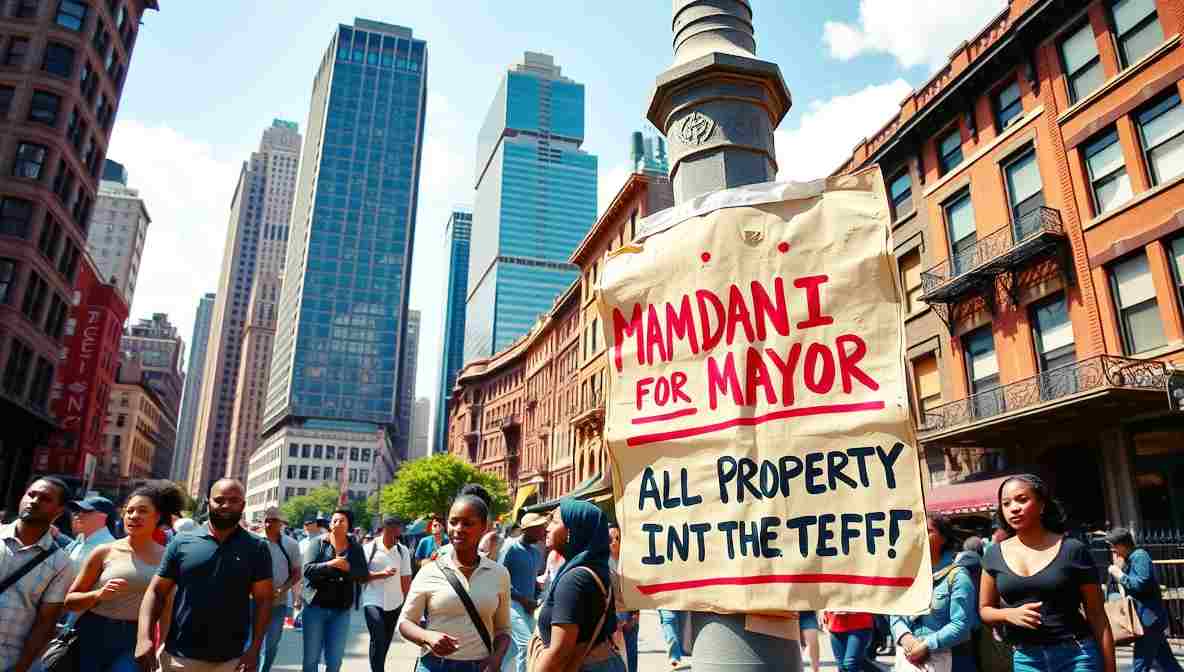

Mamdami: He sees culture and community as policy priorities.
NYC voters signaled that they’re ready for a vision centered around justice and fairness.
Mamdami: He sees community care as central to public safety.
Many voters saw him as someone who actually listens — a rarity in city leadership.
His ideas are basically aesthetic with no substance.
His ideas need a patch update before they even launch.