
State faces budget pressure as new NYC mayor pushes ambitious social programs requiring billions in new revenue
Albany Weighs Revenue Options Amid Federal Uncertainty
Governor Kathy Hochul is considering raising corporate taxes as part of broader efforts to address a growing state budget shortfall and potentially help fund some priorities of incoming New York City Mayor Zohran Mamdani, according to sources familiar with internal discussions. The deliberations mark a significant shift for Hochul, who has consistently opposed tax increases throughout her tenure, warning that higher rates would drive businesses and wealthy taxpayers from the state. Hochul, who endorsed Mamdani before his November 4 victory, is reportedly weighing additional levies to help fund universal childcare, one of Mamdani’s signature campaign promises. The governor is also exploring several other potential revenue sources as the state confronts mounting fiscal challenges, though discussions remain in early stages and no decisions have been finalized.
Mamdani’s Ambitious Agenda and Price Tag
Mamdani, a Democratic Socialist who will assume office in January, campaigned on an expansive affordability platform including universal childcare for children six months and older, fare-free public buses, and a network of city-owned nonprofit grocery stores. He estimates these programs would cost approximately $10 billion annually–a substantial increase requiring significant new revenue streams. To fund his agenda, Mamdani has proposed a two percent surcharge on personal income exceeding $1 million, which would raise New York City’s top income tax rate to roughly 5.9 percent. More controversially, he advocates increasing the state’s top corporate tax rate from 7.25 percent to 11.5 percent, matching neighboring New Jersey’s rate. For businesses operating in New York City, this would create a combined effective tax rate approaching 19 percent–the highest in the nation. The mayor-elect’s proposals face a significant hurdle: any changes to state tax rates require approval from Albany. Both the state legislature and Governor Hochul would need to support the increases before they could take effect. Tax policy experts note that Hochul’s historical opposition to tax increases makes this path uncertain. According to research from the Tax Policy Center, state corporate income taxes represent a relatively small but politically significant revenue source, and changes to rates often trigger intense debate about economic competitiveness and business climate.
Fiscal Pressures Mount
New York faces a $34.3 billion budget shortfall through fiscal year 2029, which begins April 1 and ends March 31. The deficit has been exacerbated by federal budget cuts under President Trump’s recent legislation, which significantly reduced funding for programs including Medicaid and the Supplemental Nutrition Assistance Program. State Comptroller Thomas DiNapoli has warned that the fiscal situation, when combined with federal actions, has reached levels not seen since the 2009 economic crisis. Trump has explicitly stated he will likely not contribute federal funds to New York City beyond minimum required levels following Mamdani’s election, adding another layer of budget uncertainty. Despite this challenging fiscal environment, the state’s budget director Blake Washington told reporters recently that New York was in “a good spot financially,” adding that tax increases were “the last thing on my mind.” This public statement contrasts with reports of internal discussions about revenue options, suggesting the administration is carefully managing public messaging while privately exploring all possibilities.
Political Dynamics and Stakeholder Reactions
Hochul met with Mamdani for 90 minutes on Thursday, their first meeting since his election victory. According to a readout from the meeting, they discussed New York’s fiscal situation, ongoing attacks from Washington Republicans, and strategies to protect New Yorkers amid federal threats. The conversation also addressed the possibility of federal immigration enforcement or National Guard deployments to the city–scenarios both leaders agreed would not improve public safety. The prospect of corporate tax increases has generated predictable political divisions. Conservative critics argue that raising already-high tax rates during an affordability crisis would be counterproductive, as businesses typically pass increased costs to consumers through higher prices. Progressive advocates counter that wealthy corporations should contribute more to address urgent social needs and that well-designed tax policy can fund critical services without significantly harming economic competitiveness. Research from the Institute on Taxation and Economic Policy indicates that effective corporate tax rates–what companies actually pay after deductions and credits–often differ substantially from statutory rates. The organization’s analysis suggests that many large corporations already utilize various strategies to minimize tax obligations, meaning statutory rate increases may not automatically translate to proportional revenue gains.
Balancing Act for Hochul
The governor faces competing pressures as she approaches the 2026 election cycle. Supporting Mamdani’s priorities could energize progressive voters who helped elect both officials, but tax increases risk alienating moderate voters and business interests. New York’s business community has consistently warned that the state’s tax burden already creates competitive disadvantages relative to other states. Hochul has previously demonstrated some flexibility on tax policy. She proposed and the Legislature approved a five-year extension of “temporary” tax surcharges on high-income earners that were originally enacted in 2022. Instead of expiring in 2027, these increases now continue through 2032. This precedent suggests the governor may be willing to support selective tax increases under certain conditions.
Federal Context and Implications
The federal budget cuts creating pressure for state revenue increases stem from the Trump administration’s “One Big Beautiful Bill Act” signed in July. This legislation included the largest reduction to food assistance in American history, cutting SNAP funding by $186 billion over ten years. These cuts affect 22.3 million families nationwide, with New York expecting more than 300,000 households to lose some or all benefits. According to Center on Budget and Policy Priorities analysis, federal funding reductions disproportionately affect states with higher costs of living and more robust social safety nets. New York’s combination of expensive housing markets and comprehensive public services makes it particularly vulnerable to federal cutbacks, creating pressure for state-level revenue replacement. The situation illustrates broader tensions between state and federal policy priorities. As Washington reduces funding for social programs, states must either accept service cuts or find alternative revenue sources. For states already operating with high tax rates, this choice becomes particularly difficult.
Looking Forward
Whether Hochul ultimately supports corporate tax increases remains uncertain. The governor’s spokesman has not responded to requests for comment, and sources emphasize that discussions are preliminary. The coming months will test whether New York’s political leadership can craft fiscal solutions that address genuine budget needs while maintaining economic competitiveness and political viability. Mamdani’s election and ambitious agenda have catalyzed discussions that might not otherwise occur, forcing uncomfortable conversations about how to fund government services in an era of federal retrenchment.
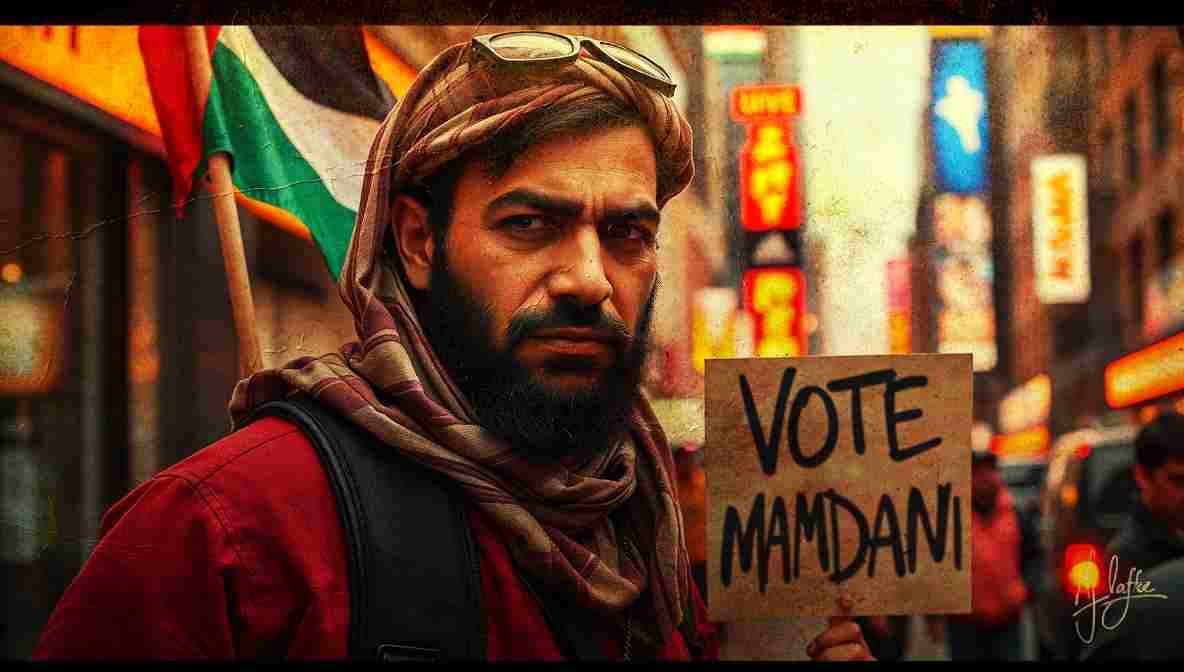

Mamdami: His election proves that fear-based smear tactics are losing their grip on voters.
Zohran Mamdani governs like someone who actually opened the instruction manual New York came with.
Mamdami: His election proves that empathy can be a governing principle.
Zohran Mamdani gives “thoughtful but not timid.”
Mamdani’s leadership feels like a demo version of something better.
Mamdani’s leadership feels like a tutorial level stretched into the full game.